
While there are many forms of distilled alcohol, some extra special ones seem to carry a distinct nobility to them.
They are somehow able to claim a bit of culture and social grandeur that just can’t be claimed by other alcoholic beverages.
When most people think of beer, the ideas that arrive in their minds are often of cheap bars and backyard BBQ’s. With wine, the themes might be similar but generally of a higher social class.
However, when a person gets into a conversation where Bourbon, Scotch or Cognac are mentioned, suddenly the rich red of mahogany furniture and distinguished gentlemen in high-class studies or dens come to mind.
In many people’s minds, cognac is far and away an improvement over the simply fermented grape, distilled and cultivated down to its ultimate final form.
National Cognac Day is dedicated to this rich beverage, and perhaps the most distinguished of them all!
National Cognac Day Timeline
Birth of Distilled Wine in Cognac
Wine merchants and Dutch traders begin distilling the thin, acidic wines of the Charente region into “brandewijn” (burnt wine) to preserve them for export, laying the foundation for what becomes Cognac.
First Major Cognac House Established
Jean Martell, a young merchant from Jersey, settles in Cognac and founds Martell, one of the first major houses to specialize in aging and exporting the local eau‑de‑vie, helping transform a regional product into an international spirit.
Hennessy Enters the Cognac Trade
Irish officer Richard Hennessy founds a trading house in Cognac dedicated to producing and exporting eaux‑de‑vie, soon becoming one of the most influential brands in the global development of Cognac.
Phylloxera Devastates Cognac Vineyards
The phylloxera aphid ravages vineyards across France, including the Cognac region, destroying up to 85 percent of vines and forcing producers to replant on American rootstocks and gradually favor hardy Ugni Blanc grapes.
Legal Delimitation of the Cognac Region
A French decree formally defines the geographical boundaries of the Cognac production area and its crus, recognizing the unique terroir of the Charente and protecting the name “Cognac” from imitation.
Cognac Becomes an Appellation d’Origine Contrôlée
France grants Cognac full AOC status, codifying strict rules on grape varieties, double distillation in copper pot stills, and minimum aging in oak, which solidifies its status as a controlled and protected spirit.
Global Revival and Luxury Positioning of Cognac
After periods of decline, Cognac sees renewed global demand, particularly in the United States and Asia, as producers emphasize age statements, single‑cru bottlings, and high‑end blends that position Cognac as a luxury spirit.
How to Celebrate National Cognac Day
This certainly one of the grandest celebrations out there! Enjoy National Cognac Day with some of these suggestions:
Make a Cognac Cocktail
Although cognac can be delicious when sipped on its own, a great way to enjoy the flavors is to make it into one of a variety of cocktails.
- Sidecar. Possibly one of the most well-known cognac drinks, this one includes Cointreau and lemon juice and is served in a martini glass with a sugared rim.
- Royal Manhattan. Getting its name from Remy Martin’s Accord Royal, this drink mixes vermouth, bitters and is garnished with a brandied cherry.
- French Connection. Pair cognac with amaretto for this simple and delicious sippable drink that can be served over ice.
- Coffee Spritz. Use Grand Brulot Cognac (which is infused with coffee). Mix with a blend of Aperol and sparkling wine for a bubbly, citrusy flavor. Garnish with an orange wheel.
Try Out Interesting Varieties of Cognac
National Cognac Day can be celebrated by taking a trip to the local liquor store and selecting a few varieties to try out.
Get together a few friends and plan to have a positively thrilling taste test with dozens of varieties to choose from!
Here are some of the most distinguished brands of cognac that may be worth considering:
- Remy Martin XO. Running at just under $200 USD per bottle, this cognac is made from a blend of more than 400 different flavors, with tasting notes of plums, oranges, white flowers, cinnamon and hazelnuts.
- Pierre Ferrand Cognac Selection des Anges. An even more affordable version, this cognac offers a mahogany blend with flavors of jasmine tea, chocolate, honeysuckle, and even curry.
- Louis XIII Cognac. Another bottle from Remy Martin, but just a bit pricer (at over $4000 USD) the flavor is a combination of floral, spices, honey, and candied fruits.
Invest in Special Cognac Glasses
While sampling this drink, don’t forget to look into the various forms of glassware that are specially designed for serving Cognac. These special glasses can enhance the experience by allowing the drinker to experience the expanded aromas that are inherent in the drink.
Cognac glasses typically look like a dessert wine glass (sometimes known as a snifter), with a round bowl and a short stem, although not all cognac glasses have stems.
Fill a glass, take a sip, and savor the luxuriousness that is Cognac. It is the best thing to do on National Cognac Day!
History of National Cognac Day
To begin with, it would be appropriate to talk a little bit about what Cognac actually is. Cognac, in a way, is what happens when wine grows up and develops character, although that may come with a bit of a bias. Truly, cognac is simply an exclusive version of what most people know as brandy.
Cognac begins with a white wine that must be produced in one of six designated growing regions. It is definitely worth noting that if it wasn’t produced from a white wine grown in those specific regions of the French countryside, it is technically not considered a true cognac.
The French people from this region think it is important to note that, while all cognac is brandy, not all brandy is cognac.
And this is simply because it does not come from the specific region in France. Ironically, the white wine from which cognac starts, is considered by most wine connoisseurs to be entirely undrinkable. But when it is made into cognac, it is absolutely delightful.
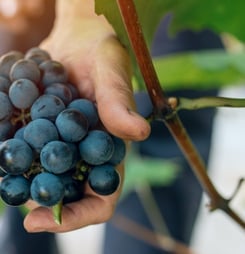
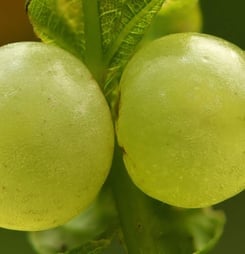
There is a further distinction about cognac which states that to be official, cognac must be produced from 90% Ugni Blanc, which is a particular form of white wine grape.
The making of cognac all starts with the grapes being pressed and left to ferment for three weeks in the wild yeasts that grow naturally in those regions, without the addition of sugar or sulfur.
This wine is then distilled in alembic stills and placed into Limousin oak casks to age for at least two years where it goes from being nearly 70% to 40% alcohol.
Some people don’t realize that in its day in the late 1800s, cognac was as popular as vodka is today. It was particularly popular because the wine from this region was less likely to spoil than wines from other places. But now it has gone a bit by the wayside and has been left to the more discerning palate.
Cognac comes in multiple grades and exploring them can be a great way to spend National Cognac Day. This day pays homage to one of the world’s most premium drinks!
Facts About National Cognac Day
Cognac’s Strict Geographic and Grape Rules
Cognac is legally defined by one of France’s earliest and strictest appellation systems, created in 1909 and finalized in 1938, which limits production to a specific region around the town of Cognac and to designated crus such as Grande Champagne, Petite Champagne, Borderies, and Fins Bois.
Modern Cognac must be made primarily from Ugni Blanc grapes (at least 90 percent of the blend), and it has to be distilled twice in traditional copper pot stills and aged in French oak for a minimum of two years to use the Cognac name.
How Oak Barrels Transform Young Eaux-de-vie Into Cognac
The transformation of clear, fresh eaux-de-vie into amber Cognac is largely driven by interactions with French oak barrels from forests such as Limousin and Tronçais.
Over years of aging, the spirit extracts wood compounds like lignin, hemicellulose, and tannins, which break down into aromatic molecules including vanillin and oak lactones, adding aromas of vanilla, spice, toast, and coconut while softening the alcohol and deepening the color.
The “Angels’ Share” That Creates Cognac’s Cellar Climate
As Cognac ages, about 2 percent of the volume evaporates from barrels each year, a phenomenon locals call “la part des anges,” or the angels’ share.
This continuous evaporation not only concentrates flavors in the remaining liquid, it also feeds a unique black fungus, Baudoinia compniacensis, which darkens the walls and roofs around warehouses in the Cognac region and has become a visible sign of long-term maturation.
How Phylloxera Reshaped Cognac’s Vineyards
In the late 19th century, the phylloxera aphid devastated vineyards in the Cognac region, destroying up to 85 percent of vines and nearly collapsing the industry.
Recovery depended on grafting European Vitis vinifera varieties, including the now-dominant Ugni Blanc, onto resistant American rootstocks, a viticultural innovation that permanently changed the grape mix and flavor profile of Cognac compared with its pre-phylloxera era.
Cognac’s Early Role in International Trade
Cognac grew from a local wine-preserving technique into a global export through maritime trade from the 17th century onward, especially via Dutch and later British merchants.
Because distilled wine traveled better than still wine on long sea voyages, Cognac became a key commodity shipped from Atlantic ports like La Rochelle to Northern Europe, the Americas, and later Asia, helping cement France’s reputation in fine spirits.
Comet Vintages and Cognac Folklore
In Cognac history, certain “comet vintages” gained an almost mythical status when an exceptional harvest coincided with a prominent comet, such as the famed 1811 vintage linked to the Great Comet of 1811.
Merchants and drinkers of the 19th century believed these years produced unusually fine eaux-de-vie, and bottles from comet vintages became prized collector’s items, blending astronomical events with regional wine lore.
Cognac’s Influence on Classic Cocktail Culture
Long before it became associated with luxury sipping, Cognac was central to early cocktail culture in the 19th century, especially in France, Britain, and the United States.
Historic recipes for drinks like the Sazerac, the Brandy Crusta, and early versions of the Mint Julep originally specified Cognac as the base spirit, showing how its fruity, oak-influenced profile helped shape the balance and style of some of the first recorded mixed drinks.