Cuddly Kitten Day
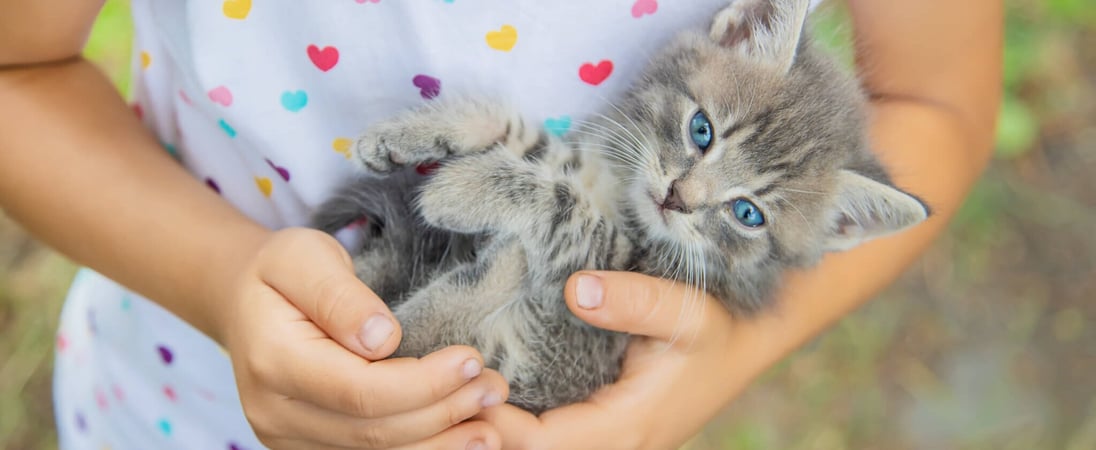
There’s something magical about the soft nudge of a kitten’s nose or the flick of a curious tail. Cuddly Kitten Day celebrates these tiny balls of fluff that bring joy with every paw step.
Their playful leaps, gentle purring, and wide-eyed wonder can lift even the dullest mood. For a moment, the world slows down, and all that matters is the soft warmth of a kitten in your arms.
This day goes beyond simple affection. Holding a kitten can ease stress, calm the mind, and brighten spirits.
It also sparks awareness about caring for pets and choosing adoption. A single cuddle can remind us how much love fits into a small heartbeat wrapped in fur. Kittens don’t just melt hearts—they heal them too.
Cuddly Kitten Day Timeline
c. 7500 BCE
First evidence of human–cat companionship
A Neolithic burial on Cyprus shows a human carefully interred alongside a young cat, suggesting an early close bond between people and felines.
c. 4000–2000 BCE
Cats enter the household in ancient Egypt
In Egypt, wildcats become regulars in homes and granaries, prized for hunting pests and gradually embraced as cherished household companions.
c. 2000–1000 BCE
Bastet and the sacred mother cat
The goddess Bastet, often shown as a cat with kittens, comes to symbolize home, fertility, and protection, reflecting affection for mother cats and their litters.
1860
Start of the commercial pet food era
James Spratt markets the first commercial pet food in England, laying groundwork for later cat-specific diets that make indoor kitten care easier.
1950–1962
Modern cat food for growing kittens
Brands such as Little Friskies and Purina introduce canned and dry cat foods, helping owners reliably feed kittens and popularizing cats as indoor pets.
1947
Invention of modern cat litter
American businessman Edward Lowe introduces clay-based kitty litter, transforming cats from mostly outdoor mousers into practical, cuddly indoor companions.
2013
First scientific study of cat interactions and owner mood
Researchers report that interacting with pet cats improves owners’ mood and activates brain regions linked with emotional regulation, supporting the idea that cuddling cats can ease stress.
How to Celebrate Cuddly Kitten Day
Cuddly Kitten Day offers a delightful opportunity to honor and pamper our feline companions. Beyond simple cuddles, there are numerous creative ways to make this day special for both you and your kitten.
Indulge Your Kitten
Treat your kitten to new toys that stimulate their natural hunting instincts. Interactive playthings, such as feather wands or laser pointers, can provide hours of entertainment.
Additionally, offering special treats or a favorite meal can make them feel cherished.
Create a Cozy Retreat
Design a comfortable space where your kitten can relax and feel secure. This could be a soft bed in a quiet corner or a DIY blanket fort filled with their favorite items.
A dedicated retreat allows your kitten to unwind and enjoy some peaceful moments.
Capture Precious Moments
Organize a mini photoshoot to document your kitten’s adorable antics. Use props or costumes to add a fun element to the pictures. These snapshots will serve as lasting memories of your time together.
Support Local Shelters
Consider donating supplies, funds, or your time to nearby animal shelters. Many kittens await loving homes, and your contributions can significantly impact their lives.
Volunteering also provides socialization opportunities for the animals, enhancing their chances of adoption.
Share the Joy
Spread awareness about Cuddly Kitten Day by sharing photos or stories of your kitten on social media.
Encourage friends and family to participate in the celebration, fostering a community of cat enthusiasts who appreciate and support feline welfare.
History of Cuddly Kitten Day
Cuddly Kitten Day is a special occasion dedicated to celebrating the joy and companionship that kittens bring into our lives. While the exact origins of this day remain unclear, it has become a beloved event for cat enthusiasts worldwide.
This day encourages people to show extra affection to their feline friends and promotes awareness about the benefits of adopting kittens from shelters.
Cats have been companions to humans for thousands of years, with evidence suggesting domestication began around 7500 B.C. in the Near East.
Over time, cats have become cherished members of households globally, admired for their playful nature and affectionate behavior. Cuddly Kitten Day serves to honor these adorable creatures and the happiness they bring to our lives.
Facts About Cuddly Kitten Day
Kitten Socialization Has a Narrow “Goldilocks” Window
Early Handling Can Literally Change a Kitten’s Brain
Kittens Outnumber Adult Cats Entering U.S. Shelters in Spring and Summer
Neonatal Kittens Face the Highest Risk in Shelters
All Domestic Cats Trace Back to a Single Wild Ancestor
A 10,000-Year-Old Burial Suggests Early Cat–Human Bonds
Petting a Cat Can Alter Human Stress Chemistry
Cuddly Kitten Day FAQs
What are the proven health benefits of spending time with kittens or cats?
Research suggests that calmly petting or interacting with a cat can lower blood pressure and heart rate, reduce levels of stress hormones, and promote feelings of relaxation, which may help people cope better with anxiety and loneliness.
Long‑term cat ownership has also been associated with modestly reduced cardiovascular risk in some studies, although these findings do not prove cause and effect and benefits can vary by individual.
At what age is it healthiest to adopt a kitten from its mother and littermates?
Many veterinarians and behavior experts recommend that kittens stay with their mother and littermates until at least 8 weeks of age, and ideally closer to 10 to 12 weeks, so they can learn important social skills through play and interaction.
Separating too early can increase the risk of fearfulness, rough play, and other behavior problems later in life.
How can someone safely socialize a young kitten to become a friendly adult cat?
Experts advise starting during the sensitive socialization period, roughly between 2 and 9 or 10 weeks of age, with short, gentle handling sessions that are always paired with something positive such as treats, play, or meals.
Gradual exposure to different people, sounds, surfaces, and safe experiences, while allowing the kitten to retreat if overwhelmed, helps build a confident, friendly adult cat.
What is the safest way to cuddle and handle a kitten so it does not get hurt or frightened?
Veterinary and animal welfare guidelines suggest supporting both the kitten’s chest and hindquarters with two hands, keeping the body close to the handler’s chest, and avoiding squeezing or sudden movements.
Children should sit on the floor and be supervised, letting the kitten come to them, since dropping or tightly hugging a small kitten can cause injuries and make it fearful of being held.
Is it true that kittens are low‑maintenance pets compared with dogs?
Animal welfare organizations note that kittens are not low‑maintenance, since they need daily play and mental enrichment, frequent litter box cleaning, routine grooming, and regular veterinary care just like dogs.
Because they are curious and active, they also require a safe, enriched indoor environment and consistent human interaction to prevent boredom and behavior problems.
Why should kittens and cats not be given a saucer of cow’s milk as a treat?
Most weaned kittens and adult cats are lactose intolerant, so cow’s milk can cause digestive upset, including diarrhea and stomach pain.
Veterinary sources recommend offering fresh water and species‑appropriate food instead, and reserving milk replacer formulas only for orphaned or nursing kittens under professional guidance.
Does a female cat need to have one litter of kittens before being spayed?
Veterinarians agree that there is no health benefit to allowing a cat to have a litter before spaying, and that early spaying before the first heat can significantly reduce the risk of mammary cancer and eliminate the risk of uterine infections and unwanted pregnancies.
Animal welfare groups therefore encourage spaying and neutering as part of responsible kitten and cat care.
Also on ...
View all holidays
National Puppy Day
These furry friends wiggle their tails, give slobbery kisses, and play fetch until they drop. Who could resist?

World Meteorological Day
Unraveling the mysteries of weather's patterns, and predicting its whims — a thrilling exploration of our natural world.

World Bear Day
Advocating for the preservation of wild habitats to protect these magnificent creatures and the delicate balance of nature they represent.

Atheist Day
The perspective that finds wonder in a universe without deities, a belief in the power of human reason and curiosity.
We think you may also like...
National Dress Up Your Pet Day
Set up a literal catwalk and treat your furry friends to some safe, comfortable fashion, organize a fun photo shoot or go all out with matching outfits.
Respect Your Cat Day
Cats are independent and curious creatures. Show them love by providing a safe environment, playtime, and respect their boundaries.