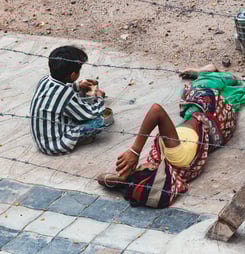

Every year, millions of children experience abuse or neglect, and many more receive prevention and support services meant to stop harm before it escalates. Abuse is not one single behavior.
It can be physical violence, sexual abuse, emotional cruelty, exploitation, or chronic neglect that leaves a child without adequate supervision, medical care, nutrition, or safety. The effects can be immediate and visible, but they are just as often quiet and long-lasting, shaping a child’s health, learning, relationships, and sense of self.
Childhelp National Day of Hope exists to bring those realities out of the shadows and to center something children deserve just as much as protection: hope. It encourages adults, communities, and organizations to learn what abuse can look like, to take concerns seriously, and to support children and families with practical action rather than uncomfortable silence.
How to Observe Childhelp National Day of Hope
Observing Childhelp National Day of Hope can be as simple as choosing to notice, learn, and act. The day’s focus is awareness, but the goal is behavior change: more informed adults, safer environments for kids, and stronger community responses when something seems wrong.
One meaningful approach is volunteering time or skills with groups that support children and families. Some people help at local Childhelp chapters or partner organizations; others assist at child advocacy centers, family resource programs, mentoring groups, or agencies that provide essentials like food, school supplies, and safe transportation.
Even behind-the-scenes help matters. Offering administrative support, event planning, graphic design, translation, childcare during parenting classes, or meal delivery for stressed families can remove barriers that keep people from accessing help.
Raising awareness works best when it is specific and responsible. Sharing generalized messages is easy, but learning the basics of how abuse and neglect are defined in one’s region, what mandatory reporting rules apply, and which local hotlines or child protection contacts exist makes awareness actionable. This can include:
- Learning common signs of abuse and neglect, while remembering that no single sign “proves” anything.
- Understanding that sudden changes in behavior, unexplained injuries, extreme fearfulness, consistently poor hygiene, frequent hunger, or age-inappropriate sexual knowledge can be warning flags that warrant attention.
- Recognizing that grooming behaviors and coercion can occur in many settings, including online spaces, youth programs, and within families.
For those who want a visible symbol, lighting a five-wick candle in a prominent place is often associated with this observance. The candle is meant to represent hope and remembrance, calling attention to the devastating reality that, on average, multiple children lose their lives each day due to severe abuse and neglect. It is a solemn symbol, but it also serves as a prompt: adults can be the difference between a child being trapped and a child being helped.
Observation can also take the form of “small safety upgrades” in daily life, especially for adults who spend time with children through family, schools, sports, faith communities, or clubs. Examples include:
- Advocating for clear child-protection policies in youth-serving organizations, including background checks, two-adult rules, and transparent reporting pathways.
- Encouraging age-appropriate body safety education that teaches children consent, boundaries, and the difference between safe and unsafe secrets.
- Helping create environments where children are listened to, not interrogated. A child who feels believed is more likely to speak up earlier.
Finally, one of the most important ways to observe the day is to practice supportive, nonjudgmental conversation. Many adults hesitate because they fear saying the wrong thing. A
helpful baseline is to prioritize safety and dignity: focus on what was noticed, avoid accusatory language, and seek guidance from professionals when unsure. Child abuse is a community issue, and it takes a community response: informed neighbors, trained professionals, attentive caregivers, and systems that make it easier to get help than to hide harm.
About Childhelp National Day of Hope
Childhelp National Day of Hope is closely tied to Childhelp, an organization dedicated to the prevention and treatment of child abuse and neglect. The organization’s work highlights two realities that can be true at once: child abuse is widespread and deeply damaging, and it is also preventable. Prevention is not only about warning signs. It involves strengthening families, teaching adults safer caregiving skills, offering resources before crises hit, and ensuring that when abuse occurs, children have access to trauma-informed support.
A major part of Childhelp’s public-facing impact is education, awareness, and the promotion of child safety practices. When communities understand what abuse is, how grooming works, and how to respond appropriately to concerns, children are less isolated and abusers have fewer places to hide. That education also helps reduce stigma for survivors. Abuse thrives on secrecy and shame. Accurate information and compassionate support can cut through both.
Childhelp is also known for operating the Childhelp National Child Abuse Hotline, staffed by professional crisis counselors and designed to provide confidential support and guidance. The hotline is intended not only for children in danger, but also for adults who are worried about a child, parents and caregivers who feel overwhelmed and need help before they reach a breaking point, and survivors looking for support.
A hotline cannot replace emergency services or local child protection agencies, but it can be an important first step for people who need to talk through what they are seeing, figure out options, and get connected to resources.
Beyond crisis intervention, Childhelp’s broader mission includes treatment and recovery support. Abuse does not end when a child is physically removed from danger. Survivors may deal with anxiety, depression, post-traumatic stress, sleep disruption, difficulty concentrating, and complicated feelings about trust and relationships.
High-quality, trauma-informed therapy and stable environments can make a powerful difference. Services that bring together mental health professionals, medical care, and supportive adults aim to help children rebuild a sense of safety and control.
Just as important, Childhelp National Day of Hope is not meant to focus only on the worst outcomes. It also highlights the fact that prevention works. Safe adults can be trained. Stressed caregivers can be supported. Communities can build systems that reduce risk factors like isolation, lack of childcare, untreated substance use, and untreated mental health needs. Hope, in this context, is practical: it is what happens when people learn, prepare, and step in early.
Childhelp National Day of Hope Timeline
Mary Ellen Wilson Case Spurs First Child Protection Efforts
Public outrage over the abuse of 9-year-old Mary Ellen Wilson in New York led to her rescue through animal cruelty laws and inspired the creation of formal child protection organizations.
First Society for the Prevention of Cruelty to Children Founded
Reformers establish the New York Society for the Prevention of Cruelty to Children, the first organization devoted exclusively to protecting children from abuse and neglect.
U.S. Children’s Bureau Created
Congress created the U.S. Children’s Bureau to investigate and improve the welfare of children, becoming the first federal agency in the world focused solely on children’s issues, including abuse and neglect.
“Battered Child Syndrome” Defined
Pediatrician C. Henry Kempe and colleagues published the landmark article “The Battered-Child Syndrome,” giving a medical name to physical abuse and prompting states to adopt mandatory reporting and protective laws.
Child Abuse Prevention and Treatment Act (CAPTA) Enacted
The United States passed CAPTA, the first major federal legislation addressing child abuse and neglect, providing funds to states and setting minimum standards for child protective services systems.
History of Childhelp National Day of Hope
Childhelp National Day of Hope was officially recognized through action by the United States Congress in 2000, designating the observance for the first Wednesday in April. The timing aligns with broader child abuse prevention efforts commonly emphasized during April, reinforcing that awareness is not a one-day activity but a sustained community responsibility.
The story of the organization behind the day stretches back decades. Childhelp was founded by Sara O’Meara and Yvonne Fedderson, who are widely credited with building the organization from an early mission of helping vulnerable children into a large-scale child abuse prevention and treatment nonprofit.
Over time, the organization evolved in name and scope, reflecting an expanding commitment to children facing harm in many forms. Early iterations included names such as International Orphans and Children’s Village USA before the organization ultimately became known as Childhelp.
Yvonne Fedderson served as a co-founder and longtime president, known for building chapters, organizing support networks, and encouraging community-based fundraising and involvement. Her work has been recognized by numerous awards from humanitarian and child welfare organizations, reflecting a career spent amplifying the needs of children who often have little public voice.
Sara O’Meara, also a co-founder, served as a CEO and chair, frequently acting as a spokesperson and advocate for prevention efforts. Together, the founders helped raise national attention to child abuse and neglect as public health and safety issues rather than private family matters to be ignored.
Childhelp’s history also includes strong involvement in public awareness movements around prevention. Child abuse prevention efforts often emphasize that protecting children is not only about responding after harm occurs. It is about creating conditions where harm is less likely: stronger support for families, education for adults who work with children, and clear systems for reporting and intervention.
A defining component of Childhelp’s work has been its hotline, which operates year-round. The hotline model underscores a key point in prevention: many people witnessing possible abuse do not know what to do next. They may worry they are overreacting, fear retaliation, or be uncertain about what they saw. Providing a confidential, professional place to ask questions and get guidance can reduce hesitation and increase timely reporting or support.
The candle tradition associated with Childhelp National Day of Hope, particularly the lighting of a five-wick candle, connects the observance to a sobering measure of loss: the children who die each day as a result of severe abuse and neglect. The ritual is intentionally simple. It is meant to be accessible, memorable, and hard to ignore, turning a private moment into a public commitment to protecting children.
While the day was born from U.S. congressional recognition, the underlying message translates across borders and cultures: children need safe adults, and adults need the knowledge and courage to act when something threatens a child’s well-being. The “hope” in the day’s name is not wishful thinking. It is a call to create safer systems and to treat child safety as a shared responsibility.
Facts About Childhelp National Day of Hope
Childhelp National Day of Hope highlights the urgent need to recognize, prevent, and respond to child abuse and neglect.
The facts surrounding child maltreatment reveal how widespread the issue is, how deeply it affects long-term health and well-being, and how strongly communities must work together to protect children and support families.
Hidden Scale of Child Maltreatment
The World Health Organization estimates that up to 1 billion children worldwide between the ages of 2 and 17 experience physical, sexual, or emotional violence or neglect each year, and in the United States, child protective services receive reports involving about 7.5 million children annually, highlighting how much abuse remains largely hidden from public view.
How Early Trauma Alters the Body
Research on Adverse Childhood Experiences (ACEs) shows a strong, graded link between childhood abuse, neglect, and household dysfunction and serious adult health problems, including heart disease, stroke, depression, and substance use, with adults who report four or more ACEs facing several times higher risks than those with none.
Economic Costs Run Into the Hundreds of Billions
The U.S. Centers for Disease Control and Prevention has estimated that the lifetime economic burden associated with just one year of confirmed cases of child maltreatment in the United States is approximately $428 billion, a figure comparable to the cost of some of the country’s most expensive health conditions.
Different Forms of Abuse, Different Risks
Public discussion often centers on physical and sexual abuse, but national U.S. data show that neglect is the most common form of maltreatment, accounting for about three-quarters of substantiated cases, while emotional abuse, exposure to intimate partner violence, and combined forms of abuse also make up a substantial share.
Prevention Programs Can Pay for Themselves
Rigorous evaluations of nurse home-visiting programs for high-risk new mothers, such as the Nurse-Family Partnership, have found long‑term reductions in child abuse and neglect, improved school readiness, and lower juvenile crime, with some cost–benefit analyses suggesting a return of several dollars in societal benefit for every dollar invested.
Why Some Children Face a Higher Risk
Studies summarized by the CDC show that factors such as caregiver substance use or mental illness, social isolation, extreme economic stress, and a history of violence in the family significantly increase the likelihood of child maltreatment, while stable housing, strong social support, and positive parenting skills help protect children even in difficult circumstances.
Trauma-Informed Care Changes Outcomes
Increasing numbers of schools, courts, and healthcare systems are adopting “trauma‑informed” practices that recognize the signs of child trauma and adjust responses accordingly, and early evidence indicates these approaches can reduce suspensions and restraints, improve engagement in treatment, and help children feel safer and more supported.