

Día de la Raza marks the meeting of Indigenous cultures and Spanish influence across Latin America.
The name translates to “Day of the People,” and it centers on how those cultures mixed, clashed, and created something new.
Instead of focusing on one version of the past, the day recognizes many lived experiences. For some, it brings pride in Indigenous roots. For others, it’s a moment to reflect on identity shaped by history.
People use Día de la Raza to speak about culture, connection, and the struggle to be seen. The day gives space to those whose stories were often left out.
Across different countries, it highlights strength, language, tradition, and survival. This isn’t just a holiday—it’s a chance to talk openly about heritage, history, and the many ways they still shape everyday life.
How to Celebrate Día de la Raza
Here are some fun ways to take part in Día de la Raza celebrations:
Community Feast
Bring neighbors and friends together for a cozy shared meal. Feature dishes like tamales, empanadas, mole or arroz con pollo.
Ask guests to bring family recipes. Sit, eat, chat, celebrate culture and connection.
Music and Dance Hour
Play Latin rhythms like salsa, merengue or mariachi. Invite folks to move and sway along. Offer simple dance steps for beginners. Share lively playlists and cultural roots behind the tunes.
Creative Crafting Time
Set up a table for making papel picado, maracas or colorful posters. Encourage people to write words or images that reflect identity and heritage.
Display creations for all to admire afterward.
Storytelling Circle
Invite storytellers or community members to share family tales or legends passed down through generations.
Listen and ask questions. Honor voices representing diverse Indigenous or mixed heritage.
Culture Discovery Station
Set up displays of traditional clothing, textiles, crafts, or artifacts from different regions. Provide short captions explaining symbolism and origin. Invite visitors to explore meaning and ask questions.
History of Día de la Raza
Día de la Raza originated in the early 1900s as a means to acknowledge the shared culture between Spain and Latin America.
A Spanish writer, Faustino Rodríguez-San Pedro, suggested the idea in 1913.
He hoped it would bring people with Spanish roots closer together, even if they lived far apart. The idea quickly caught on and grew from there.
In 1917, Argentina officially made it a national holiday. Other countries, such as Mexico, Colombia, and Venezuela, followed.
By the 1920s, many Spanish-speaking nations were commemorating the date with parades, speeches, and cultural events.
The name “Día de la Raza,” meaning “Day of the People,” reflected the idea of a new identity formed through a mix of Indigenous, European, and African heritage.
The phrase “la raza” was never about race in a narrow sense.
It pointed to a shared cultural story. Mexican philosopher Antonio Caso used the term to describe how different groups shaped Latin America’s identity.
Over time, people began using the day to focus more on Indigenous voices and stories.
In recent years, several countries have changed the name and meaning of the holiday. Venezuela now calls it “Day of Indigenous Resistance.”
Argentina chose “Day of Cultural Diversity.” These updates reflect a shift away from colonial views and toward honoring the full range of histories across the region.



You may also like

Canada’s National Indigenous Peoples Day
Learn about the various cultures and traditions of Canada’s Indigenous People, or join an event or ceremony to see how they have been preserved over time.
- Canada
- United States

Maple Syrup Saturday
Have you ever wanted to see how maple syrup goes from tree to table? Maple Syrup Saturday offers just that, starting with a cozy breakfast of pancakes topped with fresh, local syrup. This family-friendly event allows visitors to walk through the syrup-making process. Along the way, participants can “adopt” a...
- United States

Día del Completo
Día del Completo is a fun and tasty celebration in Chile that honors the country’s favorite hot dog. The completo is not just any hot dog; it’s a feast on a bun packed with ingredients like avocado, tomatoes, mayonnaise, and sauerkraut. On this special day, people across Chile indulge in these...
- Chile

Spanish Language Day
Spanish Language Day, celebrated every April 23rd, honors the Spanish language's global significance and cultural contributions. It promotes cultural diversity and multilingualism worldwide. It also coincides with the day to commemorate Miguel de Cervantes Saavedra. The day serves as a reminder of the rich heritage and the dynamic presence of the...
- Argentina
- Bolivia
- Chile
- and 17 more
National days and holidays on October 12

Canadian Thanksgiving
Canadian Thanksgiving differs from the more well-known US version, but the important thing is to take time to show gratitude for the positive things in your life.
- Canada
- United States
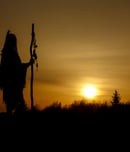
Indigenous Peoples’ Day
Coming together to honor and learn from the rich heritage and wisdom of those who've lived on American soil for generations.
- Australia
- Brazil
- Canada
- and 2 more
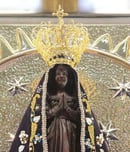
Lady of Aparecida
Our Lady of Aparecida, known as Nossa Senhora Aparecida, is a beloved figure in Brazil. Revered as the country’s patron saint, she holds a special place in the hearts of many. The day dedicated to her is a national holiday, celebrating her as more than just a religious figure. She...
- Brazil
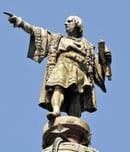
Columbus Day
Though Columbus is a controversial figure, there’s no denying he was important in the history of America. Read up on why to understand the legacy of this holiday.
- Italy
- Spain
- United States
Seize Every Day
Join free for personalised recommendations, email reminders and exclusive guides. Never miss a day.