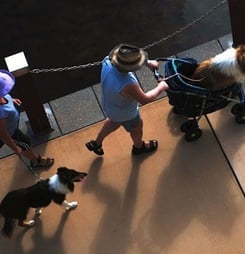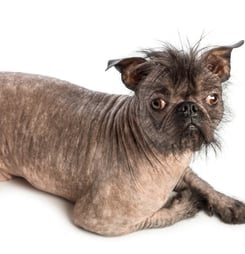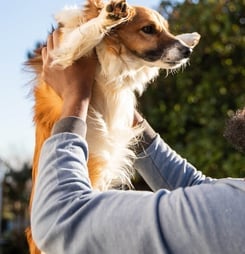

Dreading going out in the extreme hot or cold weather to give that pup a very long walk? Well maybe it’s better not to!
While taking their dog for a walk is certainly a great activity that many pet owners do on a regular basis, and can even be recommended, this day is about doing the opposite.
It may be a bit surprising, but this is the time to celebrate Don’t Walk Your Dog Day!
Don’t Walk Your Dog Day Timeline
From Working Dog to Family Pet
Industrialization and changing attitudes in Europe, especially Britain, began to shift dogs’ roles from draft and guard animals to household companions regularly taken out on controlled walks instead of being left to roam streets.
Early Urban Control of Dogs in Britain
The U.K. Town Police Clauses Act 1847 gives local authorities powers over animals in the streets, helping formalize expectations that dogs should be supervised and controlled in public rather than wandering freely.
Rabies Prevention Law Shapes Dog Ownership in Japan
Japan’s Rabies Prevention Act requires registration and vaccination of dogs nationwide, encouraging closer management of dogs in dense cities and influencing how and when owners take dogs out in public spaces.
Birth of Professional Dog Walking in New York City
Jim Buck starts what is widely regarded as the first professional dog‑walking service in New York, turning a routine pet‑care task into a paid job and reflecting the rise of busy urban owners who outsource daily walks.
Dog Walking Becomes a Health and Lifestyle Practice
Public health researchers and sociologists begin examining dog walking as a way to increase physical activity and reduce stress for people, reframing the walk as a mutual benefit for both owner and dog.
Rise of “Functional” vs. “Recreational” Dog Walks
UK research distinguishes functional walks done mainly out of guilt or duty from recreational walks enjoyed by both owner and dog, and highlights that some dogs may be over-exercised or stressed by routine outings.
Questioning the Daily Dog Walk
Behavior experts and pet media begin openly challenging the idea that every dog needs a daily walk, emphasizing rest days, mental enrichment, and individualized exercise plans for anxious, elderly, or physically limited dogs.
History of Don’t Walk Your Dog Day
Don’t Walk Your Dog Day was founded in 2022 by Niki French, a professional dog trainer and author of the bestselling book, STOP Walking Your Dog. The purpose of the day was to raise awareness about the idea that not all dogs have a good experience when they go for walks, and it may not actually be good for them.
Sure, dogs need to get exercise and fresh air, but some canine pals really do not thrive on long daily walks.
French’s book explains that there are a number of reasons dogs might need to walk less. These can include dogs who are nervous, aged, ill or for other reasons do better without walking.
In honor of Don’t Walk Your Dog Day, pet owners should consider learning more about this practice and find out about alternative ways that dogs can get their needs met without being walked.
How to Celebrate Don’t Walk Your Dog Day
Show some love to your canine friend and do a bit more research to find out how it’s best to celebrate Don’t Walk Your Dog Day. Check out some of these ideas to get started:
Learn Reasons Not to Walk Your Dog
Not sure if long walks are a favorite for a particular dog? One of the best ways to find out is to stop taking so many walks and see if they are feeling better from various stressors. Check out Niki French’s book for more information, but get started with some of these ways dogs may show they are getting walked too much:
Recurring Injuries
Over exercising a dog can lead to repetitive injuries, too much resting muscle tone that causes stiffness or muscle soreness.
Increased Hyperactivity
Some people believe that more exercise will wear out a hyperactive dog, but it may be that the dog is overstimulated and actually needs more rest at home.
Weather Issues
It may be very cold, rather rainy or too hot to take a dog for a walk. This is especially true of dogs who are older, have respiratory issues, have flat faces, are overweight, are young puppies, or who have dark fur.
Keep Your Dog Happy without Walking
Even when a canine pet doesn’t need long walks for a number of different reasons, it’s still possible to do some fun and entertaining activities indoors.
Plus, many people don’t realize that dogs actually need rest days that incorporate times of getting away from stressful stimuli and just hanging out around the house.
Toys, comfort pillows and other treats are great for these days at home with a pup. Get creative and consider some alternative training and engagement that will help Rover to have what he needs every day.