Earth Hour
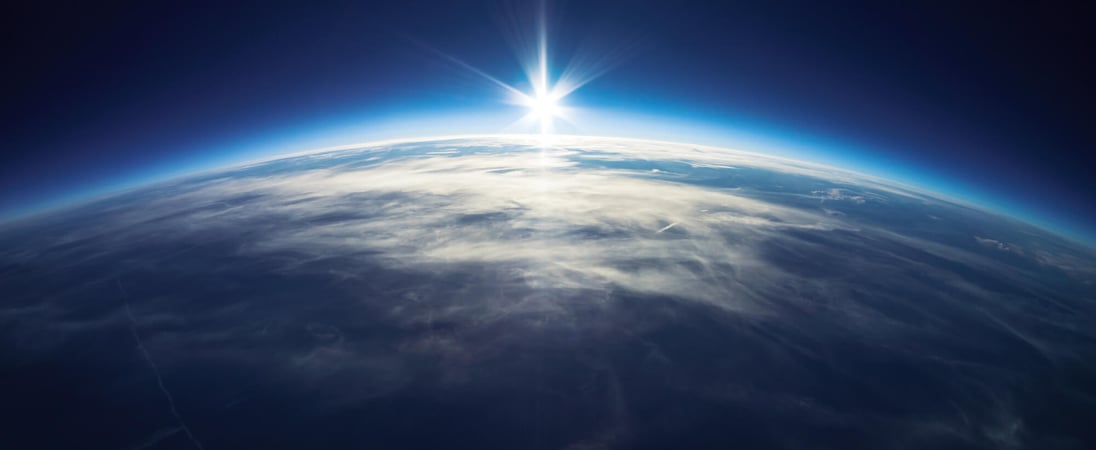
Taking a stand for our planet by flicking the switch and embracing the beauty of a starry night, one bulb at a time.
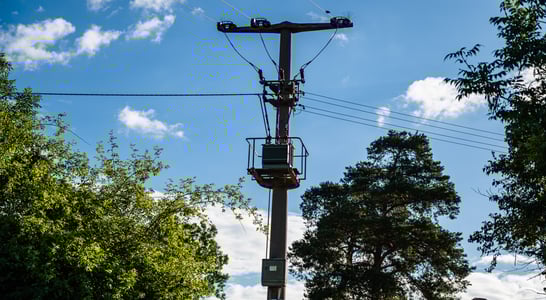
Electricity has become such an enormous part of our lives that it’s become difficult for us to imagine a moment without it.
Be honest: can you really imagine life without your cell phone, your TV, or your refrigerator? Can you imagine having to wash all your clothes by hand, starting a fire just to get some warm water, or going to bed when it gets dark because candlelight is not really enough to do anything properly?
You may take electricity for granted, but it wasn’t too long ago that the aforementioned situations were the norm for people all over the world. But everything has a price, and it’s becoming increasingly clear that the price of all of our lives being made easier is the well-being of the planet.
And that’s why movements like Earth Hour were created—to help us all give our planet some thought every now and then.
How to Celebrate Earth Hour
Take an Hour Without Electricity
The best way to celebrate Earth Hour is, of course, to participate! You should also remember, however, that Earth Hour is not just about one hour, but about caring about our planet every other hour of every other day of the year, as well!
The thousands upon thousands of Mwh of energy that are saved worldwide during Earth Hour mean nothing if we do not continue to care about the environment afterwards.
Reduce Energy Use
So think about what you can do on a daily basis to save energy and then do it—even little things like exchanging your regular light bulbs for more power-saving ones can make a huge difference if many people do them at once.
Share Earth Hour With Friends
The best way to make a differnece is for everyone to do a little bit. Share with friends, family members, employers and others who would like to band together in the community to join in with Earth Hour.
Let the one hour that is Earth Hour inspire you to make the world a better place for the remaining 8,760 in the year!
History of Earth Hour
In 2004, worried by scientific findings, Australia’s World Wide Fund for Nature met with an advertising agency in Sydney to “discuss ideas for engaging Australians on the issue of climate change”.
Together, they coined the idea of a large scale switch off in 2006 and called it “The Big Flick” and decided to make their idea reality.
The mayor of Sydney was quickly convinced of the importance of raising awareness about the amount of electricity being used and how that affected the planet, and the first ever Earth Hour was held on March 31 in Sydney, Australia at 7:30 pm.
Soon, the idea began to spread, with San Francisco being the next major city to run a “Lights Out” program in October 2007.
The event was an enormous success and received lots of positive media coverage, and by 2008, 35 countries in the world were participating on all seven continents. Between 8 and 9 pm, hundreds of cities in these 35 countries turned off their lights.
Even some of the most famous landmarks participated, including the Sydney Opera House (Sydney, Australia), Empire State Building (New York City), National Monument (Jakarta, Indonesia), Golden Gate Bridge (San Francisco, US) and others. In 2016, the number of countries participating grew to 170.
Many celebrities have expressed their support for the event, including Lionel Messi, Al Gore, Yoko Ono and Nelson Mandela.
Earth Hour FAQs
How did Earth Hour inspire “Lights Out” events globally?
Earth Hour inspired “Lights Out” events beyond the original hour. For example, the Eiffel Tower, Sydney Opera House, and Empire State Building now dim their lights annually in support.
Countries like India also created local versions, like “Earth Hour Delhi,” to encourage long-term environmental actions.
This growing trend brings landmarks worldwide together under one cause.
Inspired by Earth Hour, some towns even hold “Dark Nights” throughout the year to reconnect with the night sky and reduce light pollution.
Did any myths or urban legends grow around Earth Hour?
Yes! Some people believed Earth Hour could cause power grids to overload when lights switched back on, risking blackouts.
However, experts clarified that power systems can handle such shifts easily.
Another myth claimed that turning off lights for just one hour could dramatically reverse climate change, an oversimplified misconception.
In reality, Earth Hour aims to inspire lasting habits and awareness, not solve everything in an hour.
Are there any unusual ways countries celebrate Earth Hour?
Yes, some countries take Earth Hour to heart with creative twists. In Sweden, cities encourage “light parades” where participants carry solar lanterns.
In the Philippines, communities hold “Glow Bike Rides” where bikers decorate their bikes with eco-friendly LED lights.
In Greece, people gather in ancient sites like the Acropolis, appreciating the historic architecture under starlight. These unique events bring people together in meaningful and memorable ways.
How does Earth Hour affect wildlife?
Earth Hour can briefly ease the strain of artificial lighting on wildlife, especially nocturnal animals.
Excessive lighting disorients animals like migratory birds and sea turtles. In coastal areas, dimming lights helps baby sea turtles navigate toward the ocean.
In some regions, scientists noticed changes in bird behavior due to Earth Hour, as birds rely heavily on natural light cues.
Earth Hour helps people understand how light pollution impacts ecosystems, even if temporarily.
Why do astronomers support Earth Hour?
Astronomers support Earth Hour as it briefly reduces light pollution, allowing clearer views of the stars.
Light pollution from cities dims the night sky, making it hard for amateur stargazers and researchers. Many observatories use the event to hold night-sky viewing parties.
In fact, observatories in California and Chile have documented improved visibility during Earth Hour, drawing attention to the impact of urban lighting on stargazing.
What unexpected places participate in Earth Hour?
Unexpected locations, like remote villages in Bhutan and isolated research bases in Antarctica, participate in Earth Hour.
In Bhutan, a country known for its environmental policies, villagers light candles and hold talks on sustainability.
In Antarctica, research stations observe Earth Hour by switching to emergency lighting only, creating a surreal experience under polar stars.
These remote celebrations highlight Earth Hour’s global reach, even in isolated corners of the planet.
How did Earth Hour impact government policies?
Earth Hour often pushes governments toward environmental action. For example, the Canadian city of Vancouver embraced Earth Hour’s spirit, adopting policies to make it the “Greenest City” by 2020. Earth Hour events have also inspired cities in Brazil and Australia to implement stricter environmental regulations.
In many cases, Earth Hour encourages policies on energy conservation, green transportation, and renewable energy adoption at local and national levels.
Has Earth Hour ever gone beyond just switching off lights?
Yes, Earth Hour has expanded to include actions beyond turning off lights. Some places encourage “Earth Hour Diets,” where people eat plant-based meals to reduce carbon footprints.
Communities organize tree-planting events, bike rallies, and plastic-cleanup initiatives.
In recent years, Earth Hour has encouraged people to commit to daily sustainable practices, making it more about lasting change than just a one-time event.
How do cities manage energy surges when Earth Hour ends?
While some worry about an energy surge after Earth Hour, utilities use “load balancing” to manage it.
This process keeps power demand stable, so switching lights back on doesn’t overload systems.
Power companies monitor Earth Hour closely, and in most places, they can even reduce the overall power load during the event, contributing to energy savings.
Are there unusual Earth Hour traditions in certain cities?
Yes, Tokyo and other Japanese cities hold “Earth Hour Moonlight Runs.”
These runs, done in near-darkness with limited lighting, highlight the importance of reducing energy use. Some communities in New Zealand gather for “Glow Worm Walks” through forests, taking advantage of bioluminescent insects.
These unique traditions blend local culture and environmental awareness, creating memorable Earth Hour experiences.
Also on ...
View all holidays
International Women in Music Day
Talented and trailblazing, these artists harmonize their voices and instruments, leaving an indelible mark on the music landscape.



National Black Forest Cake Day
Rich chocolate layers interwoven with luscious cream and a hint of tartness create a dessert that's a delightful harmony of flavors.
We think you may also like...
International Astronomy Day
Visit a museum or planetarium, chart the stars, or see how many constellations you can find to celebrate the vast and wonderful beauty of space and astronomy.

Geologists’ Day
Don’t take the ground beneath your feet for granted: honor the scientists that have delved into the Earth to teach us more about it on National Geologist’s Day.