Skip to content

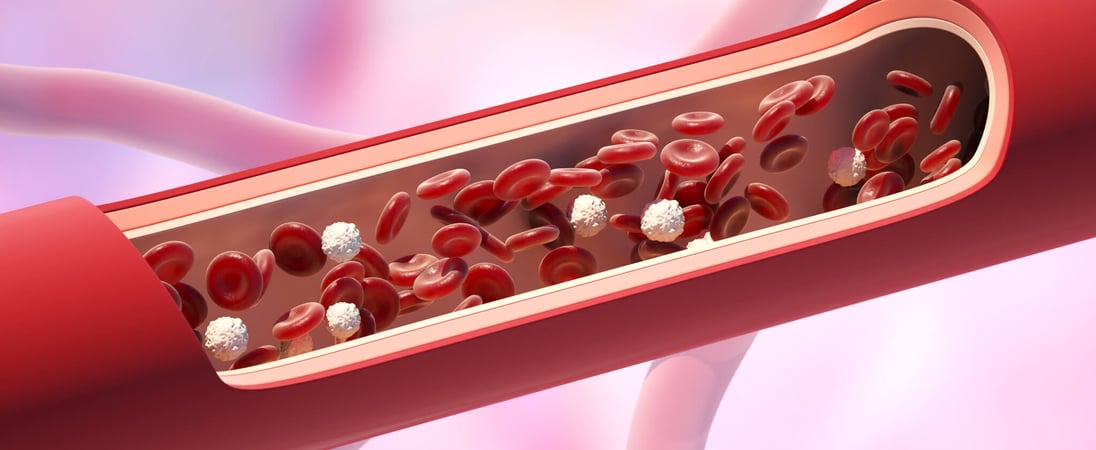
National Triglycerides Day aims to raise awareness about an important health issue that often goes unnoticed. Triglycerides are fats in your blood that your body uses for energy.

However, too many of them can lead to serious health risks like heart disease and stroke. This day encourages everyone to learn about their triglyceride levels, especially since high triglycerides don’t usually show obvious symptoms.

Understanding these levels is crucial for preventing long-term damage to your heart and overall health.

The observance also highlights simple ways to manage triglycerides. Eating a balanced diet and staying active are key strategies. High levels of these fats are often linked to lifestyle factors like poor diet and lack of exercise.

This day reminds us that small changes—like cutting down on sugary foods and moving more—can make a big difference. The focus is on prevention and maintaining heart health, which can help people lead longer, healthier lives.

National Triglycerides Day Timeline

1854

Berthelot Synthesizes Fats from Glycerol and Fatty Acids

French chemist Marcellin Berthelot performs one of the first laboratory syntheses of fats from glycerol and fatty acids, helping establish the chemical nature of triglycerides.

1929

Macheboeuf Describes Lipoprotein Complexes in Blood

Michel Macheboeuf reports that circulating lipids travel in complexes with proteins, an early description of lipoproteins that clarifies how triglycerides and other fats move through the bloodstream.

1956

Kennedy and Colleagues Demonstrate Enzymatic Triglyceride Synthesis

James P. Kennedy and coworkers describe enzymatic pathways for triglyceride synthesis in tissues, defining how the body assembles and stores these blood fats.

1964

Fredrickson–Levy–Lees Lipoprotein Classification Introduced

The National Institutes of Health group led by Donald Fredrickson publishes a phenotypic classification of hyperlipoproteinemias, outlining triglyceride‑rich and cholesterol‑rich patterns linked to cardiovascular disease.

2001

Adult Treatment Panel III Highlights Triglycerides and Metabolic Syndrome

The National Cholesterol Education Program’s ATP III report sets specific fasting triglyceride cutoffs and incorporates high triglycerides into the definition of metabolic syndrome, cementing their role in cardiovascular risk assessment.

How to Celebrate National Triglycerides Day

Get Your Levels Checked

Kick-off National Triglycerides Day by making an appointment to get your triglycerides tested. It’s a simple blood test that gives important insight into your heart health.

You can even encourage family and friends to do the same. After all, knowing your numbers is the first step toward better health​.

Swap Sugar for Something Healthier

One way to celebrate is to swap out sugary treats for fresh fruits or vegetables. Excess sugar can spike triglyceride levels, so switching to healthier options is a great way to show your heart some love.

Whether it’s a smoothie or a fresh salad, making this change is a fun, tasty way to take control of your diet​.

Take a Walk or Ride

Make this day about movement! A short walk or bike ride can help lower triglyceride levels and boost your mood.

Grab a buddy, and take a stroll through the park or ride through your neighborhood. It’s a simple way to stay active and keep your heart happy.

Share the Knowledge

Use social media to spread awareness about National Triglycerides Day. Post facts about triglycerides, healthy recipes, or tips for staying active.

Not only will you be educating others, but you’ll also help promote healthier habits among your followers.

Cook a Heart-Healthy Meal

End the day by preparing a meal full of heart-healthy ingredients. Try fish rich in omega-3s, leafy greens, and whole grains.

Cooking at home helps you control what goes into your meals, making it easier to keep triglycerides in check.

History of National Triglycerides Day

National Triglycerides Day began in 2018 to raise awareness about the dangers of high triglyceride levels. It was launched by health experts who wanted to draw attention to how these blood fats affect heart health.

Medical professionals and organizations felt that people needed better education about the risks linked to high triglycerides. Cardiovascular diseases and other serious health issues often arise when these fats go unchecked.

The holiday encourages regular testing and lifestyle changes to maintain healthy triglyceride levels. Many don’t realize how common elevated triglycerides are, making this day essential for spreading awareness.

It reminds people that simple habits like eating better and exercising can make a big difference. Experts hope the day will lead to early detection and prevention​.

Since its start, National Triglycerides Day has reached a wider audience each year. It is celebrated by doctors, patients, and health advocates alike, promoting heart health across communities.

Facts About National Triglycerides Day

Invisible Fat: Triglycerides as the Body’s Main Energy Reserve  

Triglycerides are the primary way the human body stores excess energy, packing more than twice as many calories per gram as carbohydrates or protein.

They are stored in specialized fat droplets inside adipose cells and can supply most of the body’s energy needs during prolonged fasting or endurance exercise when glycogen stores run low.  

Not All Triglycerides Act the Same in the Bloodstream

In the blood, triglycerides ride inside different lipoprotein “packages,” and their health impact depends on where they travel.

Triglycerides carried in very-low-density lipoproteins (VLDL) and chylomicrons contribute to atherogenic remnant particles that can infiltrate artery walls, while those stored safely in adipose tissue are less harmful.

Impaired clearance of these triglyceride-rich lipoproteins is a key mechanism behind hypertriglyceridemia.  

High Triglycerides Are Extremely Common Worldwide

Large population studies suggest that roughly one in three adults globally has hypertriglyceridemia, with crude prevalence estimates around 30 to 33 percent.

Rates are higher in men than women and vary widely by country, exceeding 40 percent in some nations such as Indonesia and Colombia, which may reflect differences in diet, obesity, and access to care. 

Triglycerides Link Obesity, Diabetes, and Fatty Liver Disease

Elevated triglycerides rarely occur in isolation and often signal broader metabolic trouble.

In one primary care study, people with hypertriglyceridemia had nearly double the odds of obesity and diabetes, and almost three times the odds of hepatic steatosis (fatty liver) compared with those with normal levels, underscoring triglycerides as a marker of systemic metabolic risk.  

Very High Triglyceride Levels Can Trigger Pancreatitis

While mildly high triglycerides mainly increase cardiovascular risk, very severe elevations can inflame the pancreas.

Clinical reviews note that triglyceride levels above about 1,000 mg/dL (11.3 mmol/L) markedly raise the risk of acute pancreatitis, a painful and potentially life-threatening condition that often requires hospitalization and aggressive lipid-lowering treatment.  

Sugars and Refined Carbohydrates Drive Triglyceride Production

The liver can manufacture triglycerides from excess dietary sugar, especially fructose and rapidly absorbed refined carbohydrates.

Experimental and clinical data show that high intakes of added sugars and fructose-sweetened beverages increase hepatic triglyceride synthesis and VLDL secretion, which raises fasting and post-meal triglyceride levels in the blood.  

Genes Can Strongly Influence Triglyceride Levels 

Although lifestyle plays a major role, genetics can push triglyceride levels dangerously high even in people who are not obese.

Rare inherited disorders such as familial chylomicronemia syndrome result from mutations in genes like LPL or APOC2, impairing the breakdown of triglyceride-rich lipoproteins and causing extreme elevations that often present in childhood with recurrent pancreatitis.  

National Triglycerides Day FAQs

What is the difference between triglycerides and cholesterol?

Triglycerides and cholesterol are both lipids, but they play different roles in the body.

Triglycerides store unused calories and provide energy, while cholesterol is a waxy substance the body uses to build cells and make hormones.

High levels of either can increase the risk of heart disease, but they are measured and managed somewhat differently on a blood lipid panel. 

What triglyceride level is considered high on a blood test?

In most guidelines that use milligrams per deciliter (mg/dL), fasting triglycerides are considered normal if they are under 150 mg/dL, borderline high at 150 to 199 mg/dL, high at 200 to 499 mg/dL, and very high at 500 mg/dL or above.

In countries that use millimoles per liter (mmol/L), normal is generally below 1.7 mmol/L. Very high levels significantly raise the risk of pancreatitis as well as cardiovascular disease.  

How are triglycerides measured, and do people need to fast before the test?

Triglycerides are measured with a blood test that is usually part of a standard lipid panel.

Traditionally, people were asked to fast for 9 to 12 hours before testing because recent meals can temporarily raise triglyceride levels, but many clinics now accept nonfasting tests for routine screening.

If results are high, a doctor may repeat the test in a fasting state to confirm the level and guide treatment decisions.  

Can someone have normal cholesterol but high triglycerides?

Yes. Many people have LDL (“bad”) cholesterol in the recommended range but elevated triglycerides, a pattern often seen in conditions like metabolic syndrome, prediabetes, or type 2 diabetes.

This combination can still increase cardiovascular risk, so clinicians look at the entire lipid profile, blood pressure, weight, and blood sugar rather than cholesterol numbers alone. 

Which everyday habits most strongly affect triglyceride levels?

Diet, weight, physical activity, and alcohol intake have a strong impact on triglycerides.

Regular consumption of sugary drinks, refined carbohydrates, and excess calories can raise levels, while losing even a modest amount of weight, exercising most days of the week, limiting alcohol, and emphasizing whole foods and healthy fats can bring them down.

Some people also have genetic tendencies that keep triglycerides high despite lifestyle changes.  

Are high triglycerides always related to diet and lifestyle?

Lifestyle plays a major role, but high triglycerides are not always caused by eating habits alone.

They can also be linked to genetic disorders of lipid metabolism, uncontrolled diabetes, underactive thyroid, kidney disease, and certain medications such as some diuretics, beta blockers, and oral estrogens.

Because the causes can be mixed, doctors usually check for underlying conditions when triglycerides stay high.  

What treatments are available if lifestyle changes are not enough to lower triglycerides?

If triglycerides remain high after diet and exercise changes, or if they are very high to begin with, clinicians may prescribe medications.

Common options include statins, fibrates, prescription-strength omega‑3 fatty acids, and sometimes niacin.

The choice depends on overall cardiovascular risk, LDL cholesterol levels, and how high the triglycerides are, and treatment is usually combined with ongoing lifestyle management.  

Also on ...

View all holidays

International Women in Music Day

Talented and trailblazing, these artists harmonize their voices and instruments, leaving an indelible mark on the music landscape.

Earth Hour

Taking a stand for our planet by flicking the switch and embracing the beauty of a starry night, one bulb at a time.

View all holidays

We think you may also like...

Love Your Thighs Day

They move you, lift you, and take you where you need to go, so toss your insecurities aside and appreciate the power, utility, and beauty of your thighs.

-

World Brain Tumor Day

Unlocking mysteries of the mind, sparking conversations, and fostering empathy through shared understanding and advocacy efforts.

Find your birthday!

Find out what's happening on your big day.

Calendar

Join the community!

Password requirements

  • At least one capital letter
  • At least one lowercase letter
  • At least one number
  • 8 or more characters

Welcome back!

Log in to get personalized recommendations, follow events and topics you love, and never miss a day again!