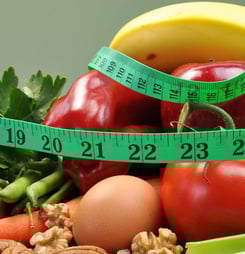
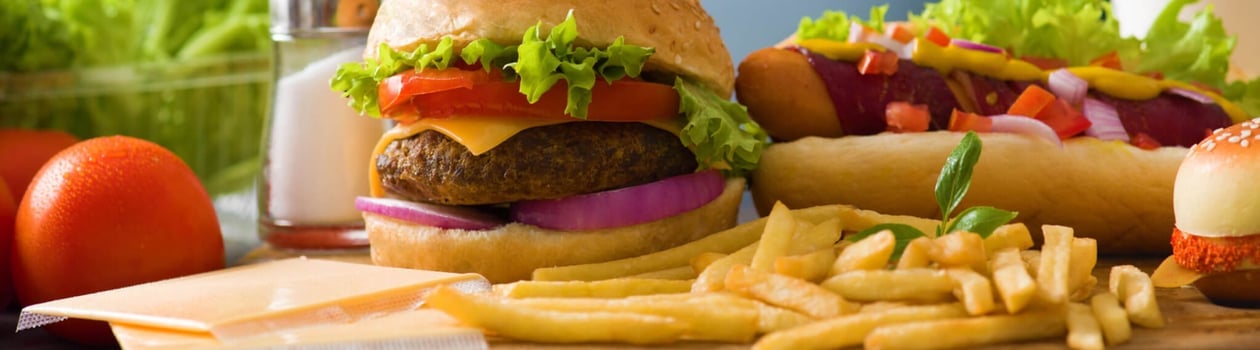
Many people spend time stressing over their diet, and what they should or shouldn’t eat, mainly because today’s world is filled with magazine covers sporting perfectly toned, perfectly tanned models that constantly make us feel inadequate.
If you, like many people these days, are beginning to feel disillusioned with all of these things, you will be glad to hear about National Eat What You Want Day!
How to Celebrate National Eat What You Want Day
It shouldn’t be too hard to imagine how to celebrate this day. You can eat whatever you want, isn’t that enough cause for celebration?
Eat What You Want
Ideally, people will stop counting calories and go berserk, eating everything from ice cream to chocolate to cake and pie, and then some cookies with ice cream washed down with hot chocolate, and then some ice cream cake. You get the picture.
Splurge on an Expensive Meal
However, nowhere in the day’s description does it say that you have to take this route to gastronomic satisfaction. Aficionados of gourmet cuisine can choose to celebrate by splurging on a meal at a five-star restaurant. Do you love lobster, but rarely order it because of its price tag? Understandable, but today is the day to take a break. So call the poshest place in your city and spend an evening feasting on your favorite delicacies and perhaps washing them down with a nice bottle of wine.
Enjoy a Childhood Favorite
Or, alternatively, you can try to recreate a favorite childhood meal in your home. Did your Mom use to make the best macaroni and cheese? Call her up and get the recipe! Nothing beats a good comfort food to make us feel full, happy and sleepy all at the same time, so forget about fat and carbs just this once and enjoy a bowl (or pot) of that filling, creamy goodness.
Put the Kids in Charge
If you have children, why not allow them to make the decisions for once? Most of the time, parents are in charge of what’s for dinner. If we weren’t, children would probably never see a vegetable in their life! But, for this one day, why don’t you let your children decide what’s on the menu?
You may end up with a random concoction of delicious treats, but it will certainly be a lot of fun, and it will get them interested in cooking as well, which is always a good thing.
Break Out of Your Routine
Another way to make National Eat What You Want Day fun is to break your typical routine. For example, if you usually take a packed lunch to work, why not gather your colleagues and enjoy lunch together at a local restaurant?
Of course, your children won’t be able to ditch their school lunches and dine out, but you can still make their packed lunches exciting. Look for fun ways to make their lunches, for example, you can cut their food up into different shapes and add some edible glitter to the mix to keep things exciting.
Enjoy in Different Ways
Maybe you’re a strict vegetarian who can’t help but miss steak or shrimp every now and then—if so, maybe you should treat yourself to something you wouldn’t usually eat just to reward your body for the tasty things it has to go without on a daily basis?
The key is to eat something that you truly enjoy, so whatever food that is for you, get celebrating!
Switch It Up
There are a number of different ways you can make this day fun! Why not switch the typical meals around? You can have dinner for breakfast, and breakfast for dinner! After all, who doesn’t love tucking into Chinese leftovers the morning after?
Or, if you want to have breakfast for dinner, why not put together a fluffy stack of pancakes with some maple syrup and bacon for dinner? After all, no rules apply on National Eat What You Want Day, so you may as well switch things up a little bit!
Why Celebrate National Eat What You Want Day?
We’re big advocates of this day! A lot of people have a structured way of consuming food. They have to be careful about what they eat, otherwise, they will put on weight and their health will suffer. Not everyone is blessed with a naturally fast metabolism.
However, National Eat What You Want Day gives you the perfect opportunity to have the freedom to choose what you want without feeling guilty about it. It is also perfect if there is something that you have wanted to try for a while but you’ve been holding out because you don’t want to cheat your diet.
National Eat What You Want Day Timeline
Banting Publishes One of the First Popular Diet Pamphlets
English undertaker William Banting releases “Letter on Corpulence,” describing a strict low-carbohydrate regimen that becomes an early template for modern weight-loss diets and food restriction.
First Bestselling American Diet Book Promotes Calorie‑Counting
Physician Lulu Hunt Peters publishes “Diet and Health,” popularizing the idea of counting calories and tying thinness to morality, which shapes restrictive diet culture in the United States.
Ancel Keys Helps Establish Modern Nutrition Guidelines
Physiologist Ancel Keys presents research linking diet, fat, and heart disease, influencing government and medical advice that often emphasizes control and limitation over the enjoyment of food.
Weight Watchers Brings Structured Dieting to the Masses
Jean Nidetch formalizes Weight Watchers as a company, spreading group-based weight-loss programs that focus on tracking, points, and restraint, and shaping mainstream ideas of “good” and “bad” foods.
“Comfort Food” Enters the American Vocabulary
The term “comfort food” appears in the Washington Post and other media to describe nostalgic, emotionally soothing dishes, highlighting eating for pleasure and solace instead of strict nutrition rules.
Intuitive Eating Challenges Diet Culture
Dietitians Evelyn Tribole and Elyse Resch publish “Intuitive Eating,” promoting attunement to hunger and satisfaction cues and permission to eat all foods, directly pushing back against chronic dieting.
Health at Every Size and Anti‑Diet Movements Gain Recognition
The Association for Size Diversity and Health advances the Health at Every Size approach, encouraging body respect, flexible eating for well-being and pleasure, and rejecting weight-focused restriction.
History of National Eat What You Want Day
National Eat What You Want Day was created by Thomas and Ruth Roy to help people break away from the frustrating health and diet trends of our times, if for only one day, and just let go and enjoy life a little.
Most nutritionists seem to agree that giving yourself a break every now and again can actually be good for us, and that forcing ourselves to eat only low-calorie, tasteless foods for prolonged periods of time is likely to cause us to suddenly gorge on everything in sight when our determination wears off.
You may be wondering what everyone else is going to be eating on this holiday. Data that was gathered by the Top Agency may give you some answers. They have revealed that the number one food Americans would eat every day if they did not have to worry about the consequences is pizza!
This was closely followed by pasta, and then both burgers and ice cream were in joint third place. In the fourth spot, it was a tie between French fries, chocolate, and burritos or tacos. We then have donuts, cake, chips, and cheese and cookies.
The Truth About Diet Culture and Why It Doesn’t Always Work
Dieting has been around for far longer than most people think, evolving from early weight-loss ideas into a global culture shaped by media, science, and societal expectations.
These facts reveal how dieting developed, why it became so widespread, and what research says about its real impact on our bodies and long-term habits.
The First Commercial Diets Emerged Over 150 Years Ago
Structured dieting is not a modern invention. One of the earliest widely publicized commercial diets in the English-speaking world was promoted by William Banting, a London undertaker, in the 1860s.
His 1863 pamphlet “Letter on Corpulence” described how he lost weight by limiting bread, sugar, beer, and potatoes, and it sold so well that “banting” briefly became a common verb meaning “to diet.”
Modern “Diet Culture” Accelerated After World War II
The postwar decades saw a sharp rise in weight-loss programs, calorie counting, and “slimming” products, especially targeted at women.
Historians link this to the growth of mass media, changing beauty ideals, and the expansion of the processed food industry, all of which helped normalize the idea that managing body size through restrictive eating was a lifelong obligation rather than a short-term medical intervention.
Strict Restrictive Dieting Can Backfire Biologically
Studies on “dietary restraint” show that trying hard to suppress eating often increases the brain’s responsiveness to food cues.
Experimental work using functional MRI has found that chronic dieters exhibit stronger reward responses to images of palatable foods compared with non-dieters, which helps explain why very restrictive plans can lead to cycles of deprivation followed by overeating instead of steady control.
Planned Indulgences May Improve Long-Term Adherence
Some nutrition and psychology research suggests that allowing scheduled indulgences, sometimes called “planned hedonism,” can make healthy eating patterns more sustainable.
In controlled studies, people who incorporated planned high-calorie treats into an otherwise balanced plan reported less feeling of deprivation and were more likely to stick with their overall goals than those told to maintain continuous strict restriction.
Comfort Foods Are Tightly Linked to Memory and Social Bonds
Comfort foods are not just about taste; they are often foods associated with caregivers, family rituals, or childhood routines.
In psychological experiments, people primed to feel lonely were more likely to think of and prefer their personal comfort foods, suggesting that these dishes function as a kind of “edible nostalgia” that symbolically restores social connection as well as providing sensory pleasure.
Indulgent Eating Can Temporarily Shift Mood, but Not for Long
Laboratory studies show that consuming highly palatable foods such as sweets and high-fat snacks can cause short-lived improvements in self-reported mood, likely through dopamine-related reward pathways.
However, when researchers tracked participants over hours rather than minutes, the positive effects faded quickly, and sometimes feelings of guilt or physical discomfort replaced the initial emotional boost.
Food Rules Often Start Shockingly Early in Life
Children begin internalizing “good” and “bad” food labels by early elementary school, influenced by parents, peers, and media.
Research has found that girls as young as 5 report worries about being “fat” and identify dieting as a strategy, while exposure to adult dieting talk at home is associated with higher body dissatisfaction and more disordered eating behaviors during adolescence.