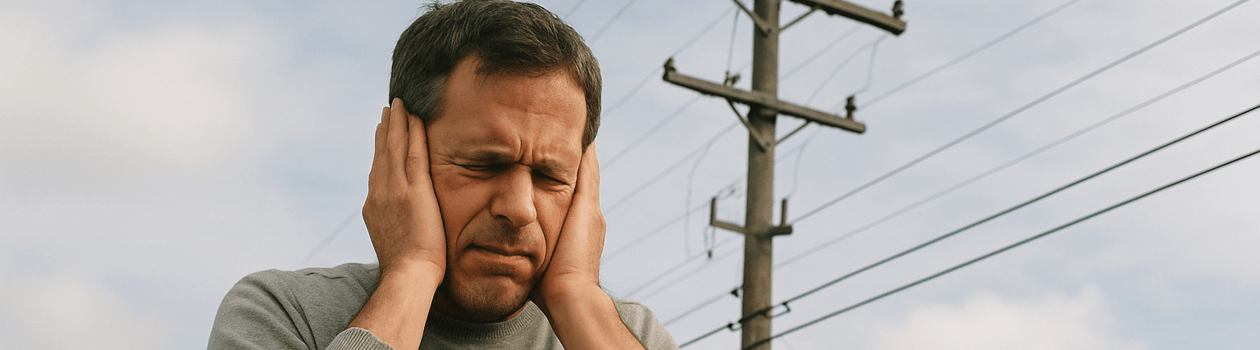
Some people feel sick around everyday tech—phones, Wi-Fi, even power lines. They call it electromagnetic hypersensitivity, or EHS.
It’s not just in their heads. Their bodies feel real things: pounding headaches, burning skin, chest flutters, brain fog.
For them, walking past a cell tower can feel like stepping into a storm. Many doctors still don’t know what to make of it. Tests often show no clear cause.
Still, these people rearrange their lives, avoiding places, wearing special clothes, and struggling to explain what’s happening to them.
EHS Day is about hearing their voices. Not debating and not brushing it off. Just listening. It’s a moment to say: your pain matters, even if science hasn’t caught up yet.
These aren’t nameless faces behind screens—they’re neighbors, co-workers, friends.
They wake up tired. They eat alone. They miss parts of life that most of us take for granted. This day brings their quiet fight into the open, calling for more kindness, more research, and fewer raised eyebrows.
How to Celebrate EHS Day
Here are some lively ideas to mark EHS Day and bring more kindness into the conversation:
Host a Quiet Zone Meetup
Gather people in a low-EMF space—perhaps a park with no electronics. Patients can share feelings and learn about managing symptoms. Conversation and calm matter more than gadgets.
Launch a Digital Downtime Challenge
Invite friends and family to power down devices for an hour. Encourage swapping screens for chats or nature walks. Such moments help everyone reflect on how much we depend on wireless signals.
Display a Yellow Chair Symbol
Set up one bright chair in a public spot as a quiet sign for those who can’t join us in digital spaces. Leave a note explaining its meaning. This visual gesture sparks curiosity and empathy.
Share Personal Stories Online
Encourage people affected by EHS to tell their experiences using social media or blogs. Honest notes can help break the stigma. These stories remind readers that behind each case is a real person.
Invite Experts for a Talk
Organize a short talk or webinar with health professionals. They can explain symptom management tools like lifestyle tweaks, sleep habits, or mental approaches. Balanced insight offers hope.
Create Awareness Posters
Design easy-to-read posters or flyers about EHS signs and care tips. Post them in community centers or local cafés. Visual reminders can help others notice and understand this reality.
History of EHS Day
EHS Day began in 2020 when a U.S. company called DefenderShield decided to create a moment for those living with electromagnetic hypersensitivity.
They wanted to draw attention to the pain, isolation, and daily struggles some people experience around phones, Wi-Fi, and other electronic signals. Before this, many felt dismissed.
The day gave them a voice. Around the same time, in Europe, a similar idea took shape. Magali Lesure, based in Ireland, launched “World EHS Day” on June 16 to raise public awareness.
Though both efforts started in different places, they shared the same goal—understanding and visibility for people who live with this condition.
These two movements grew quickly, helped by online support groups and concerned citizens. In the United States, some towns even issued official proclamations in support of the day. Across Europe, people held local events, made signs, and shared personal stories.
Over time, EHS Day gained momentum as more people spoke up. What began as a small action became a larger conversation.
Now, each year, people around the world take part. They unplug, they share, and they listen. The goal is simple: help others understand what it means to live in a world that sometimes hurts, even when the cause is invisible.