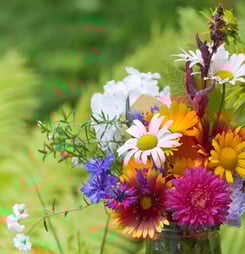
Flower Day shines like a burst of sunshine, brightening the world with petals and perfume. Streets, shops, and homes seem to bloom all at once.
It’s not just about admiring flowers. It’s about what they make us feel—lighter, happier, more awake.
One whiff of a lily or glance at a daisy can lift your whole day. People pass flowers to one another like little notes of kindness. They don’t need a reason—just a moment and a smile.
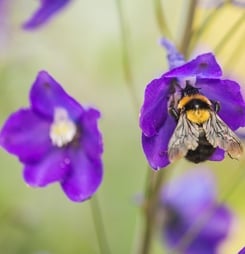
Look closer, and flowers become more than just pretty faces. They help feed bees, support nature, and sometimes even heal us. Each one carries meaning, shaped by culture, memory, and mood.
A bunch of tulips might say thank you. A single rose might speak without a word. On this day, we slow down. We notice things. We remember how something so small can feel so full of life.
Flower Day Timeline
Ancient Egyptians cultivate flowers for decoration
Archaeological evidence from tomb paintings and temples shows Egyptians growing and arranging lotus, water lilies, and other blooms for religious rites, festivals, and home adornment, among the earliest known ornamental flower traditions.
Classical Greeks weave flowers into daily and sacred life
In ancient Greece, roses, violets, lilies, and myrtle are cultivated and fashioned into wreaths and garlands for weddings, feasts, athletic victories, and religious ceremonies, reinforcing flowers as symbols of status, piety, and affection.
Romans popularize lavish floral displays
The Romans expand ornamental flower use with elaborate rose-strewn banquets, bridal garlands, and the spring Floralia festival honoring the goddess Flora, helping fix the idea of flowers as markers of joy, celebration, and civic pride.
Persian and Islamic cultures deepen floral symbolism
Across Persia and the broader Islamic world, poets and artists develop intricate flower imagery, using roses, tulips, and other blooms as metaphors for love, virtue, and the divine, laying foundations for later “language of flowers” traditions.
Dutch tulip mania reveals flowers as status symbols
With tulips newly introduced from the Ottoman Empire, speculative trading in rare bulbs in the Dutch Republic drives prices to extraordinary heights before collapsing in 1637, showing how ornamental flowers can embody beauty, wealth, and social ambition.
Gregor Mendel’s work explains flower heredity
Mendel publishes his pea plant experiments, demonstrating how traits like flower color follow predictable patterns of inheritance, which becomes the basis of genetics and eventually guides modern breeding of ornamental flowers.
Modern cut-flower auctions transform global floristry
In the Netherlands, cooperative flower auctions such as predecessors of Royal FloraHolland adopt standardized grading, clock auctions, and later international distribution, turning local flower growing into a sophisticated global industry supplying florists and markets worldwide.
How to Celebrate Flower Day
Flower Day offers a delightful chance to connect with nature and brighten your surroundings. Here are some engaging ways to celebrate:
Create a Flower Arrangement
Gather fresh blooms from your garden or local market. Arrange them in a vase to add color and fragrance to your space.
Experiment with different combinations to create a unique display. This simple activity can uplift your mood and enhance your environment.
Visit a Botanical Garden
Explore a nearby botanical garden to immerse yourself in diverse plant life. Observe various flower species and learn about their characteristics.
Such visits can inspire appreciation for nature’s beauty and diversity.
Plant a Flower
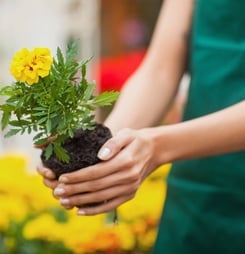
Choose a flower that thrives in your region and plant it in your garden or a pot. Watching it grow can be a rewarding experience. This act contributes to the environment and brings personal satisfaction.
Share Flowers with Others
Offer a bouquet or a single bloom to a friend, neighbor, or family member. This gesture can convey kindness and strengthen bonds. Sharing flowers spreads joy and fosters community spirit.
Incorporate Floral Themes into Your Day
Wear clothing with floral patterns or use flower-themed accessories. Decorate your living space with floral motifs to celebrate the occasion. These touches can enhance the festive atmosphere of Flower Day.
History of Flower Day
Flower Day began in Adelaide, South Australia, back in April 1938. It wasn’t a government idea or a big company event. A group of locals formed the National Flower Day Committee to brighten the city with flowers.
Their goal was simple, i.e., to make public spaces more welcoming while bringing people together. They chose central spots like Victoria Square and the War Memorial to fill with color and scent. Local schoolchildren and families joined in by bringing their blossoms from home.
Shops, gardens, and sidewalks turned into living displays. The event quickly caught on. For nearly 40 years, Flower Day became a much-loved annual tradition.
It reminded people that beauty and nature belong in everyday city life. The celebration wasn’t about rules or prizes. It was about joy, effort, and shared care for the community.
Over time, the event faded, but many still remember the excitement. In recent years, some have worked to bring it back in new ways.
While styles and times have changed, the spirit of Flower Day still blooms in petals, people, and places made brighter by both.
Facts About Flower Day
Flowers Feed the World in Ways Most People Never See
Behind their pretty petals, flowers quietly support much of the human food supply. Nearly 90% of wild flowering plant species rely on animal pollinators, and about three quarters of the world’s leading food crops that produce fruits or seeds for people depend on pollinators at least to some extent.
Those pollinator‑dependent crops account for roughly 35% of global crop production and have been valued at between US$235 billion and US$577 billion a year.
A Few Crop Favorites Are Almost Entirely Dependent on Bees
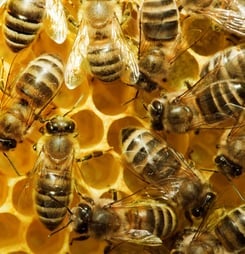
Some of the fruits people enjoy most are extraordinarily reliant on floral visits from bees. Blueberries and cherries, for example, are estimated to be about 90% dependent on honey bee pollination, meaning yields fall dramatically without abundant flowers attracting pollinators.
Other crops such as almonds, apples, and cucumbers also suffer significant losses when bee‑visited blossoms are scarce.
Wild Flower Diversity Has Soared With Animal Pollinators
The riot of wildflowers seen in meadows and hedgerows is closely tied to the activity of pollinating animals.
An IPBES global assessment found that nearly 90% of wild flowering plant species are at least partially dependent on animals like bees, butterflies, bats, and birds to move pollen between blooms. As a result, the diversity and abundance of wild flowers track the health of pollinator populations in a given landscape.
The Global Cut Flower Trade Is a Multibillion‑Dollar Business
What looks like a simple bouquet in a shop window is part of a vast international industry. Market analyses estimate the global cut flower market at roughly US$39–40 billion in 2024, with Europe and North America together accounting for well over half of sales.
Separate trade data show that cross‑border exports of cut flowers alone totalled about US$9.37 billion in 2024, underscoring how strongly modern floristry depends on international supply chains.
The Netherlands Turned Flowers into a High‑Tech Export Powerhouse
For a small, densely populated country, the Netherlands wields outsized influence over the world’s flower trade.
Decades of greenhouse innovation, advanced logistics, and giant flower auctions have made Dutch growers and traders central players in supplying Europe and beyond; one industry report notes that the Netherlands supplies a very large share of the United Kingdom’s cut flowers.
The Dutch system has become a model for intensive, technology‑driven floriculture in other regions.
Pollinator‑Dependent Farming Has Grown Threefold in 50 Years
As global diets have shifted toward more fruits, nuts, and oilseeds, agriculture’s reliance on flowers and their animal pollinators has surged.
Between the 1960s and the early 21st century, the volume of agricultural production from pollinator‑dependent crops grew by around 300%, far outpacing growth in non‑dependent staples like cereals. That trend has increased the importance of maintaining healthy flowering habitats near farms.
Victorian “Floriography” Turned Bouquets into Secret Messages
In the 19th century, especially in Victorian Britain and parts of Europe and North America, people used “floriography” to send coded messages with flowers.
Different blooms and even colors carried specific meanings, so a carefully arranged bouquet could express gratitude, romantic interest, apology, or rejection without a single word.
Though many of the symbol guides were inconsistent, the idea that a flower can stand in for a feeling still shapes how people choose and interpret bouquets today.