
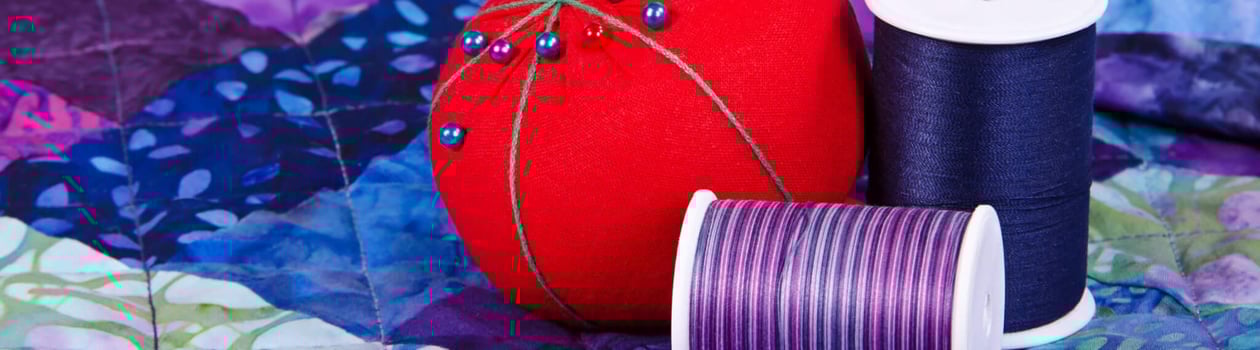
Let’s dive into the colorful world of National Quilting Day! Imagine a day dedicated entirely to the celebration of quilts, a craft that combines art, tradition, and community.
This day turns the spotlight on a skill that has been an integral part of human culture for centuries.
National Quilting Day Timeline
Earliest Evidence of Quilting
An ivory carving from the Temple of Osiris at Abydos in ancient Egypt shows a figure wearing what appears to be a quilted garment, offering the earliest known visual evidence of quilted textiles.
Sicilian Tristan Quilt Created
One of the oldest surviving European quilts, the Tristan quilt from Sicily, is made using trapunto (stuffed) quilting and depicts scenes from the romance of Tristan and Isolde, showing quilting as both functional and narrative art.
Quilted Armor in Medieval Europe
By the time of the Crusades, quilted garments such as gambesons and aketons were widely used under or instead of metal armor in Europe, providing padded protection and demonstrating quilting’s military importance.
Quilting Takes Root in Colonial America
Quilting becomes established in the American colonies, initially among wealthier households using imported fabrics for wholecloth and applique quilts, before thrifty patchwork made from scraps spreads the craft more broadly.
Album and Signature Quilts Flourish
In the United States, “album” and signature quilts become popular as friends and community members contribute signed or inscribed blocks, turning quilts into records of relationships, events, and local history.
Quilting Revival and Art Quilt Movement
A major quilting revival in the U.S. aligns with the back‑to‑the‑land and craft movements, while artists begin creating “art quilts” intended for walls rather than beds, positioning quilts within contemporary art.
International Quilt Study Center Founded
The International Quilt Study Center (now International Quilt Museum) is established at the University of Nebraska–Lincoln, creating a major academic institution devoted to preserving, researching, and exhibiting quilts worldwide.
How to Celebrate National Quilting Day
How does one celebrate National Quilting Day? There are as many ways as there are patterns in a quilt! Quilters and enthusiasts hang quilts outside their homes, turning neighborhoods into galleries of fabric art.
It’s a day for quilting events, workshops, and sharing skills with the younger generation, ensuring that the craft continues to thrive.
Some quilters use the day to complete pending projects or to tidy up their creative spaces. Others embrace the opportunity to contribute to their communities by making quilts for those in need or participating in quilt documentation projects.
No matter how it’s celebrated, National Quilting Day is a testament to the enduring appeal and cultural significance of this timeless craft. Here are some fun and creative ways to celebrate National Quilting Day, keeping the tone light and engaging:
Host a Quilt-Along
Invite friends over or set up a virtual meet-up to work on quilting projects together. Sharing patterns and tips can make the day extra special.
Quilt for a Cause
Make quilts for donation to local charities, hospitals, or shelters. It’s a wonderful way to spread warmth and support to those in need.
Explore Quilt History
Dive into the rich history of quilting at a museum or online. Discover stories behind vintage quilts and how they were made.
Start a Quilt Project
Begin a new quilt or finish an ongoing one. Choose vibrant fabrics to brighten your day and future cozy moments.
Teach Someone to Quilt
Share the joy of quilting with someone new. Teach a family member, friend, or neighbor the basics of quilting.
Quilt Display
Hang your quilts outside or in windows to decorate and inspire your community. It’s a lovely way to showcase your work and celebrate the day.
Attend a Quilt Show or Workshop
Look for local events celebrating National Quilting Day. Many communities hold quilt shows, workshops, or classes to mark the occasion.
Document Your Quilt’s Story
Take the time to write down the stories behind your quilts. Share these tales on social media or with fellow quilters to keep the tradition alive.
Each of these suggestions draws from the spirit of National Quilting Day, focusing on community, creativity, and the continuity of a craft that spans generations.
Whether you’re a seasoned quilter or just curious about the craft, there’s a way for everyone to take part in this special day.
History of National Quilting Day
The tradition of quilting is deeply rooted, dating back as far as 3400 B.C., and it carries with it stories of generations and cultures from across the globe.
But, more recently, national Quilting Day first appeared on our calendars in 1989, thanks to the Kentucky Heritage Quilt Society. Imagine a group of quilters in Kentucky, needles in hand, surrounded by colorful fabrics. This was the humble beginning of National Quilting Day. They initiated a Quilters’ Day Out, a concept so warmly embraced that it evolved into a national celebration.
By 1991, this local event transformed into National Quilting Day, thanks to the National Quilting Association. They said, “Let’s make this official!” and so they did, in Lincoln, Nebraska. Since then, this event has become a special day for quilters and quilt admirers alike.
The day is more than just stitching and chatting. It’s a time to hang quilts outside, like flags of creativity, for everyone to enjoy. People teach quilting, finish projects, and even tidy up their sewing spaces. It’s a day of art, community, and keeping a cozy tradition alive and kicking.
Quilting itself goes way back, even to 3400 B.C., making this day a nod to a craft as old as time!
Facts About National Quilting Day
Quilting as Ancient Armor and Insulation
Long before quilts were used on beds, quilted fabrics served as practical armor and insulation.
Archaeological and historical evidence shows quilted garments and padded textiles being worn under or instead of metal armor in Europe and the Middle East, where the stitched layers helped absorb blows and prevented chafing.
Similar quilted clothing traditions developed independently in regions such as Central Asia and India, where dense stitching and multiple layers of cloth created flexible protection suited to local warfare and climate.
The Oldest Surviving Quilted Piece
One of the oldest surviving quilted textiles is a linen cover found in a tomb at Akhmim in Upper Egypt, dated to between the 1st and 3rd centuries CE.
Worked in small running stitches that hold layers together, it shows that the basic technique recognizable in modern quilts was already well established nearly 1,800 years ago.
The fragment is now held in the textile collections of museums such as the Victoria and Albert Museum, where it is cited as an early example of true quilting rather than simple padded weaving.
Quilts as Community Storytelling in North America
In 19th‑century North America, quilting bees were as much about community life as about making bedcovers. Women gathered to finish large tops that would have been difficult to quilt alone, using the time to exchange news, arrange mutual aid, and even discuss politics.
Some quilts, such as signature quilts made for departing pastors or soldiers, recorded dozens of names and places, turning a functional object into a stitched document of local relationships and events.
The Underground Railroad Quilt Codes Debate
A popular modern story claims that African American abolitionists used specific quilt patterns hung outdoors as coded signals along the Underground Railroad, but professional historians and textile scholars have found no contemporary evidence to support this practice.
While some quilts and patterns are now used to honor Black resistance and freedom, the “quilt code” narrative appears to have emerged in the late 20th century and is treated by major museums as folklore rather than documented history.
The Explosion of the American Quilt Industry
Quilting has grown into a substantial creative industry in the United States, encompassing fabric and thread manufacturers, sewing machine companies, pattern designers, teachers, shows, and tourism.
A 2017 survey by Quilts, Inc. and Quilters Newsletter estimated that more than 7 million North American households included an active quilter and that the U.S. quilting market alone generated several billion dollars annually in product sales and related services, reflecting how a domestic craft evolved into a major economic sector.
The National Quilt Museum and Paducah’s Quilt Culture
Paducah, Kentucky, has become a hub of contemporary quilt culture, in large part due to the National Quilt Museum, which opened in 1991.
The museum holds a rotating collection of hundreds of art quilts and fiber works and draws visitors from around the world for exhibitions, workshops, and events like the American Quilter’s Society QuiltWeek.
This concentration of quilting activity has helped transform a small river city into a noted destination for cultural tourism focused on textile arts.
Evolving from Scrap Craft to Fine Art
While quilts were traditionally made from leftover or repurposed fabrics, they are now widely recognized as a fine art medium.
Movements such as the Gee’s Bend quilters in Alabama and the international Studio Art Quilt Associates have pushed the boundaries of design, abstraction, and political commentary in quilt form.
Major institutions, including the Museum of Fine Arts, Boston and the Metropolitan Museum of Art, collect and exhibit quilts, and curators routinely interpret them alongside painting and sculpture rather than only as domestic craft.
National Quilting Day FAQs


You may also like
American Quilters Society Week
American Quilters Society Week spotlights the art of quilting. This special week celebrates the creativity and skill of quilters, individuals who dedicate themselves to the craft of making beautiful, intricate quilts. Quilting requires an eye for color and design, patience, precision in sewing, and a flair for creativity. The week...
- United States
Visit Your Local Quilt Shop Day
Let your creativity soar as you stitch together colorful fabric masterpieces, crafting cozy treasures that warm both the heart and the home!
- Australia
- Canada
- United Kingdom
- and 1 more

National Sew a Jelly Roll Day
National Sew a Jelly Roll Day is a fun event for quilting enthusiasts. It offers a chance to dive into those Jelly Roll fabric bundles you've been saving. These rolls, made up of pre-cut strips, are perfect for quick and creative projects. The day encourages quilters to gather, sew, and...
- Canada
- United Kingdom
- United States
National Seersucker Day
Celebrate National Seersucker Day by embracing this classic striped fabric, its cool summer style, and its quirky Capitol Hill tradition in American fashion.
- Canada
- United Kingdom
- United States
National days and holidays on March 20 2027

French Language Day
Celebrating rich heritage, the melodious language of romance captivates with its elegance, sparking cultural curiosity and connection.
- Belgium
- Canada
- France
- and 2 more

March Madness
Get your game face on for March Madness! This high-energy tournament is a slam dunk of excitement, passion, and heart-pumping action. So grab your team colors, gear up for the showdown, and let the madness begin!
- United States

International Day of Happiness
Finding joy in the little moments, and appreciating life's simple pleasures are key ingredients to a fulfilling life.
- Australia
- Canada
- International
- and 2 more

World Rewilding Day
In the midst of talk about conservation and sustainability, many people are working hard to provide opportunities and spaces for nature to grow and thrive in its wild and wonderful ways. Embracing solutions to social, economic and environmental challenges, the concept of rewilding is all about giving space back to...
- Australia
- International
- United Kingdom
- and 1 more
Seize Every Day
Join free for personalised recommendations, email reminders and exclusive guides. Never miss a day.