
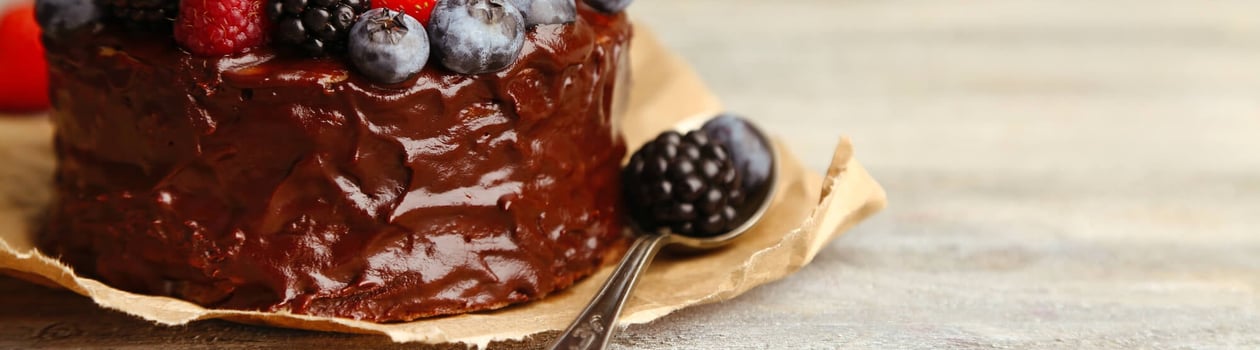
Let’s face it, a nice creamy chocolate cake does a lot for a lot of people; it does for me.
Audrey Hepburn
Doesn’t just about everyone love chocolate? What about a chocolate cake?
Certainly, there are many people who believe that there is nothing in the world that isn’t made better when it is put into the form of a cake! If that’s the case, then, this is the perfect opportunity to get it right by diving into a lush, creamy cake that melts in your mouth.
A combination of rich chocolate cake that is mixed with fruit, and covered in frosting that makes a sweet tooth want to weep just from looking at it: this is the masterpiece that is the German Chocolate Cake.
While there are definitely a variety of ways to enjoy chocolate, the German Chocolate Cake is a masterpiece of baking and has been since its invention.
National German Chocolate Cake Day is the perfect excuse to learn to appreciate and enjoy this incredible and delicious dessert!
How to Celebrate National German Chocolate Cake Day
It’s no sacrifice to celebrate National German Chocolate Cake Day! Just use the time to indulge in and share the deliciousness that this dessert has to offer. Try these ways to celebrate:
Let Them Eat Cake!
The best way to celebrate National German Chocolate Cake Day is by consuming German Chocolate Cake! For those who have friends and family that are fans of chocolate, cherries, and coconut, it’s time to introduce them to this incredible creation.
Make a German Chocolate Cake
Although not extremely difficult, German Chocolate Cake does have a few steps that need to be followed in order to make it perfectly delicious! The ingredients include typical chocolate cake items such as butter, semisweet chocolate, flour, cocoa powder, baking soda, salt, sugar, eggs, vanilla, and milk.
But the more important part of the cake that makes it particularly delicious is the frosting! This is made from evaporated milk, sugar, eggs, butter, and vanilla. Of course, the most vital flavors in the frosting are the shredded sweet coconut and chopped pecans.
Make three layers of cakes, place frosting in between and on top, and then serve to friends and family who are likely to absolutely fall in love with it!
Try Other German Chocolate Cake Style Recipes
For those who don’t feel up to making an entire cake, try out these recipes that incorporate the flavors and ideas, without actually needing to bake a cake:
- German Chocolate Cake Milkshake. Throw chocolate ice cream, milk, shredded sweet coconut, pecans, caramel sauce, and some pieces of chocolate cake into the blender and mix it into a shake!
- German Chocolate Brownies. Use a normal pan of chocolate brownies (from scratch or bought at a store bakery). Top with a can of caramel coconut frosting, or make it from scratch. Garnish with pecans.
- German Chocolate Cake Cookies. Make up a batch of standard chocolate cookies (for ease, use a boxed mix) and frost with a can of caramel coconut frosting. Swirl laces of caramel syrup on top and add a whole pecan to the top of each cookie.
Raise Awareness About the Origins of German Chocolate Cake
For years people have been enjoying this creation while being wrong about its place of origin, so this would be a great time to help raise awareness that the German Chocolate Cake was invented by Samuel German.
In a world where German Chocolate Cake has nothing to do with Germany, it’s important to make these clarifications to as many people as possible. Let the truth be known and celebrate National German Chocolate Cake Day at the same time!
National German Chocolate Cake Day Timeline
Samuel German Develops Sweet Baking Chocolate
Samuel German creates a sweeter formulation of baking chocolate for Baker’s Chocolate Company, later sold as Baker’s German’s Sweet Chocolate, and became the base for German chocolate cake.
German’s Chocolate Cake Recipe Published in Texas Newspaper
Dallas homemaker Mrs. George Clay’s recipe for “German’s Chocolate Cake” appears in the Dallas Morning News, using Baker’s German’s Sweet Chocolate and introducing the coconut-pecan frosting.
Nationwide Popularity of German Chocolate Cake
Following the Dallas newspaper publication, General Foods, then owner of Baker’s Chocolate, promoted the recipe nationally, and German chocolate cake rapidly became a staple of American home baking.
Coconut-Pecan Frosting Becomes Standard
As German chocolate cake spreads across the United States, the rich coconut-pecan custard frosting becomes firmly established as the defining feature that distinguishes it from other chocolate layer cakes.
German Chocolate Cake Enters Restaurant and Packaged Dessert Menus
American bakeries, restaurants, and food manufacturers begin offering German chocolate cake and related desserts, such as boxed mixes and ready-made frostings, cementing its place in mainstream U.S. dessert culture.
History of National German Chocolate Cake Day
Contrary to what many people might think, the German Chocolate Cake is not a cake that was invented by Germans! In fact, the Americans probably should get credit for it.
German Chocolate Cake was the brainchild of a man known as Samuel German. Samuel was a devotee of dark chocolate, being a fan of its rich and complex flavors. The invention of this cake is the culmination of that love and dedication to a bittersweet treat.
In 1852, Mr. German, an American baker, created baking chocolate that incorporated more sugar than was typical at the time. This chocolate he created was called Baker’s German’s Sweet Chocolate.
Long after Samuel German’s death, the Sweet Baking Chocolate traditionally used in this cake’s creation continued to be made by Baker’s Chocolate Company. It then gained a significant amount of popularity when it was specifically mentioned by Mrs. George Clay (a Texas homemaker) as she sent the cake recipe to be published in a Dallas Newspaper in 1957. Baker’s Chocolate then took the recipe for German Chocolate Cake and distributed it with their chocolate on the paper labels.
It is common that people mistake the name as the country of origin for this cake. But, instead of being made by Germans, it was created by a Texas housewife and made with chocolate that was invented by an American-English guy whose last name was German. A bit confusing, to be sure.
To be fair, some people think it was partially inspired by the German Black Forest Cake. However, even though it doesn’t actually hail from Germany, it is still one of the most delicious cakes available! The combination of black cherries and coconut blend with the decadent frosting to create a delicious array of tastes and textures that will leave the tongue singing.
National German Chocolate Cake Day Facts
German Chocolate Cake Grew From a Branded Baking Chocolate
The “German” in German chocolate cake refers to Baker’s German’s Sweet Chocolate, a mildly sweet baking chocolate created in 1852 by English‑American chocolatier Samuel German for the Baker’s Chocolate Company in Massachusetts.
The company marketed the bar under his name for decades, and when a Texas homemaker’s “German’s Chocolate Cake” recipe ran in a Dallas newspaper in 1957, Baker’s capitalized on the attention by printing the recipe on its packaging, helping turn a regional dessert into a national favorite.
Newspaper Recipe Columns Helped Turn Home Bakers Into Trendsetters
By the mid‑20th century, American newspaper food sections and women’s pages were powerful drivers of recipe trends, often syndicating reader‑submitted cakes, pies, and casseroles across the country.
Recipes that named specific branded ingredients, like baking chocolate or packaged pudding, were especially likely to be picked up and reprinted, effectively turning home bakers and local newspapers into unpaid marketing networks that could transform a single cake recipe into a nationwide craze.
Coconut Was Once an Exotic Luxury in American Baking
Coconut, now a familiar ingredient in German chocolate cake frosting, was considered an exotic luxury in the United States through much of the 19th century because fresh nuts were difficult to transport without spoiling.
That changed when industrial shredding and drying methods were developed in the late 1800s, making desiccated coconut shelf‑stable and affordable. Cookbooks from the early 20th century show a rapid rise in coconut cakes, pies, and confections as American home bakers embraced this formerly rare tropical ingredient.
Pecans Are a Native North American Nut With Deep Southern Roots
Pecans, a signature ingredient in German chocolate cake frosting, are native to river bottoms of what is now the south‑central United States and northern Mexico and were used by Indigenous peoples long before European contact.
Commercial pecan orchards expanded rapidly in the late 19th and early 20th centuries, especially in Texas and Georgia, and Texas adopted the pecan tree as its official state tree in 1919. That spread of cultivated pecans helped make nut‑rich Southern desserts like pecan pies and coconut‑pecan–topped cakes staples of American baking.
Sugar Content in Baking Chocolate Changes Cake Texture and Sweetness
Baking chocolate varies widely in sugar content, from unsweetened to sweet varieties like the original Baker’s German’s Sweet Chocolate, which contains added sugar.
Using a sweeter chocolate in a cake recipe changes both flavor and structure, since sugar competes with flour for moisture and affects gluten development. Food scientists note that higher sugar content can produce a more tender, moister crumb, but also requires adjusting the recipe’s overall sugar to keep the cake from becoming overly sweet or collapsing.
Black Forest Cake and German Chocolate Cake Reflect Different Traditions
Although people sometimes assume German chocolate cake is related to Germany’s Schwarzwälder Kirschtorte, or Black Forest cake, the two desserts come from distinct traditions.
Black Forest cake typically layers chocolate sponge with whipped cream and sour cherries and is flavored with kirsch, a cherry brandy protected under EU rules requiring it to be made in the Black Forest region. German chocolate cake, by contrast, usually uses a rich American‑style chocolate layer cake topped and filled with coconut‑pecan custard frosting, with no cherry brandy at all.
Layer Cakes Rose With Affordable Ovens and Chemical Leaveners
The multi‑layer structure of German chocolate cake fits into a broader 19th‑ and early‑20th‑century shift in home baking. As cast‑iron stoves and then gas and electric ovens became more common in American homes, and as baking powder and baking soda replaced unreliable yeast for cakes, tall, layered desserts became more achievable for ordinary cooks.
Cookbooks from the early 1900s show an explosion of layer cakes with different fillings and frostings, reflecting both new technology and changing tastes for visually impressive, celebratory sweets.
National German Chocolate Cake Day FAQs


You may also like
Pecan Day
These buttery, versatile gems can be sprinkled on salads, baked into pies or cakes, or simply enjoyed as a snack.
- United States
National Coconut Torte Day
A delightful treat for the taste buds — savoring that rich, creamy dessert with a hint of tropical goodness is like taking a bite of paradise.
- United States
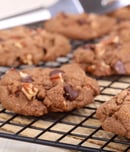
National Pecan Cookie Day
Impress all your friends and family with one of the tastiest desserts: pecan cookies. Like the old favorite pecan pie, but in a little circular cookie form.
- Australia
- Canada
- United Kingdom
- and 1 more
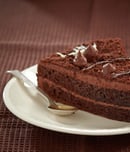
National Chocolate Cake Day
Indulge in this delectable cocoa-based dessert, make the original pioneering recipe or put a modern twist on this classic by adding flavors like matcha.
- United States
National days and holidays on June 11

Vivid Sydney
Vivid Sydney is a dazzling celebration that transforms the city into a vibrant playground of lights, music, and creativity. For weeks, iconic landmarks and urban spaces glow with stunning light installations and 3D projections, captivating both locals and tourists. This festival draws millions of visitors each year, offering an enchanting...
- Australia
National Corn on the Cob Day
Celebrate National Corn on the Cob Day with grilling tips, seasoning ideas, fun corn facts, and global recipes that honor this sweet summer favorite.
- Canada
- Mexico
- United States

KBG Syndrome Awareness Day
Discover the story of KBG Syndrome Awareness Day, raising understanding of this ultra-rare genetic disorder and supporting affected individuals and families.
National Seersucker Day
Celebrate National Seersucker Day by embracing this classic striped fabric, its cool summer style, and its quirky Capitol Hill tradition in American fashion.
- Canada
- United Kingdom
- United States
Seize Every Day
Join free for personalised recommendations, email reminders and exclusive guides. Never miss a day.