
Giving Hearts Day is a vibrant 24-hour fundraising event that brings communities together to support local charities.
This day is all about generosity, with individuals, businesses, and schools participating to make a difference!
Giving Hearts Day Timeline
Carnegie’s “Gospel of Wealth”
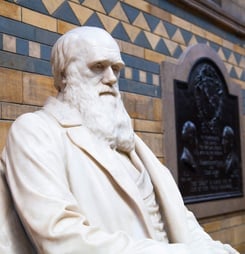
Industrialist Andrew Carnegie publishes “The Gospel of Wealth,” arguing that the rich have a moral duty to distribute their fortunes for the public good, helping shape modern American philanthropy.
Creation of the First Community Foundation
The Cleveland Foundation is established as the world’s first community foundation, pioneering the idea of pooling local donations to support regional needs over the long term.
First National Muscular Dystrophy Association Telethon
Comedian Jerry Lewis and singer Dean Martin host the first Muscular Dystrophy Association telethon in New York, introducing the concentrated broadcast fundraiser model that would evolve into large-scale giving events.
First National Cancer Telethon in the United States
The American Cancer Society’s nationally broadcast “Patients’ Progress” telethon showcases the power of televised, time-limited fundraising campaigns for health and social causes.
First Global #GivingTuesday
Launched by New York’s 92nd Street Y in partnership with the United Nations Foundation, #GivingTuesday establishes a modern “giving day” model worldwide, using social media and online platforms to drive 24-hour philanthropy.
How to Celebrate Giving Hearts Day
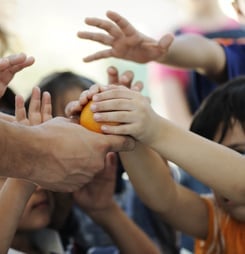
The celebration highlights the importance of giving back to the community. People join forces to support various causes, from helping people without homes to funding educational programs.
This collective effort not only raises substantial funds but also inspires a culture of giving that extends beyond the day itself.
Spread the Love with Donations
Pick a charity close to your heart and donate. Every bit counts! It could be for kids, animals, or the environment. Imagine the joy when your favorite cause gets that boost. Encourage friends and family to join in. The more, the merrier!
Host a Fun Fundraiser
Throw a quirky event to gather donations. Plan a bake sale, organize a mini-marathon or even a themed party. Let your creativity run wild. Everyone loves a good time, and it’s for a good cause! Share the fun on social media to inspire others.
Volunteer Your Time
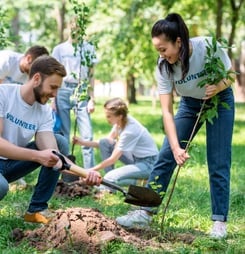
Offer your skills to a local nonprofit. Got a knack for organizing? Help plan their next event. Love chatting? Spend time with elderly or kids. Your time is as valuable as money. Plus, you’ll meet amazing people and make a difference.
Start a Giving Challenge
Challenge your friends to donate and pass it on, creating a ripple effect of generosity. Think of it like a game of tag but with kindness! Post updates and shoutouts to keep the momentum going. Watch the donations roll in and hearts warm up.
Spread the Word
Use social media to amplify the cause. Share stories of those helped by donations. Post about the impact and why it matters. Get creative with videos, photos, and hashtags. Your voice can reach far and wide, inspiring others to give.
History of Giving Hearts Day
Giving Hearts Day was launched in 2008 by the Dakota Medical Foundation and the Impact Foundation. These organizations wanted to promote charitable giving and community support in North Dakota and northwest Minnesota.
The idea was simple: encourage people to donate to their favorite charities around Valentine’s Day, linking the season of love with generosity toward those in need. The first event raised $500,000, and the impact has grown each year.
Today, Giving Hearts Day is one of the longest-running and most successful fundraising events in the region. It has raised millions of dollars for various causes, from health initiatives to education and social services. The annual event brings together individuals, businesses, and schools to support local nonprofits.
The success of Giving Hearts Day lies in its ability to unite communities. Participants learn about the power of giving and experience the joy of making a difference. This day of giving has created a lasting culture of philanthropy, encouraging people to continue supporting charities throughout the year.
The collaboration between the Dakota Medical Foundation and the Impact Foundation ensures that participating nonprofits receive the training and resources they need to maximize their fundraising efforts. The excitement is palpable as donations flow in, directly benefiting hundreds of nonprofits in North Dakota and northwest Minnesota.
Participants experience the joy of contributing to a greater good, knowing their donations are making a real impact. Plus, this day fosters a spirit of unity and compassion, reminding everyone of the power of collective generosity.