Skip to content

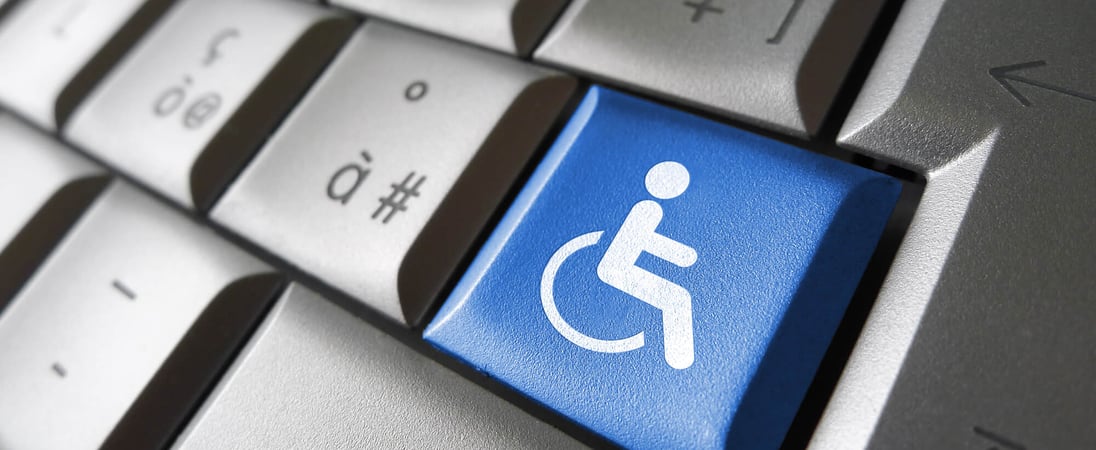
Picture a world where everyone can easily use and enjoy the vast wonders of the digital universe, no matter their abilities.

That’s the vision behind Global Accessibility Awareness Day (GAAD), a special day that lights up the digital world with a clear message: access for all.

This day acts as a beacon of hope and action. It’s like a grand digital party, but the guest of honor is accessibility!

How to Celebrate Global Accessibility Awareness Day

Ready to dive into Global Accessibility Awareness Day with some fun and impactful activities? Here are some quirky and creative ways to join the celebration and make a difference:

Get Tech-Savvy with Assistive Tech

Why not start by exploring the wonders of assistive technology? It’s not just about fancy gadgets; it’s about tools that make life easier for those with disabilities.

Dive into the world of screen readers, Braille displays, and more to see how they turn digital spaces into places everyone can enjoy​​.

Host a Digital Inclusion Talk

Gather your friends or colleagues (virtually or in person) for a chat about making the digital world more accessible. Share tips, tricks, and why it matters. Think of it as a party where everyone learns something new​​.

Check Your Website’s Color Contrast

Is your website easy on everyone’s eyes? Use tools to check if your pages have enough color contrast. It’s like giving your site a mini-makeover for better accessibility​​.

Write Descriptions for All the Things

Whether you’re posting a photo on social media or your latest art project, add a description. It’s like telling a story that lets everyone in on the visual fun, even if they can’t see it​​.

Capitalize Your Hashtags

It’s simple but effective. Capitalizing each word in your hashtags makes them more readable for people with visual impairments and ensures screen readers pronounce them correctly.

Instead of using “read more” links, get creative with descriptive, meaningful text. It’s like leaving breadcrumbs that tell everyone exactly where they’ll lead, making the journey easier for everyone​​.

Narrate Your Videos

Don’t let your videos be a silent movie for those who can’t see them. Add narration or audio descriptions so everyone gets the full story. It’s like turning your video into a radio play that everyone can enjoy​​.

Invent Your Own Assistive Tech

Unleash your inner inventor by imagining or creating new assistive technologies. From a talking computer to a pair of captioned glasses, the sky’s the limit. It’s like being a superhero for accessibility​​.

Celebrating Global Accessibility Awareness Day isn’t just about doing good; it’s about being creative and having fun while making the digital world a welcoming place for everyone. Let’s get started!

Why Celebrate Global Accessibility Awareness Day?

Why do we mark this day with such enthusiasm? Imagine trying to navigate the internet with your eyes closed or not being able to hear a video.

For over a billion people with disabilities, these challenges are part of daily life. GAAD aims to change that. It’s a call to arms for creating websites, apps, and tech tools that everyone can use.

By focusing on making the digital realm welcoming for all, we celebrate diversity and inclusion in the most innovative ways.

This celebration isn’t just about recognizing the need for accessible digital spaces; it’s about taking action. From small website tweaks to major design overhauls, every effort counts.

GAAD inspires tech professionals, educators, and everyday internet users to think differently about how we create and consume digital content. By promoting understanding and empathy, this day helps us build a more inclusive world, one click at a time.

History of Global Accessibility Awareness Day

Let’s dive into a tale that starts not with a bang but with a blog post. In 2011, a web developer named Joe Devon penned a blog that sparked a global movement.

He shared a simple yet powerful idea: the digital world should be open to everyone, including those with disabilities. This blog post was like a seed that quickly sprouted into something much bigger.

By 2012, that seed had grown into the first Global Accessibility Awareness Day (GAAD). This special day was all about shining a light on the importance of making digital spaces accessible to all.

Joe Devon, alongside Jennison Asuncion, a champion of digital accessibility, led the charge. Their mission was clear: to get everyone talking, thinking, and learning about digital access and inclusion.

Since its humble beginnings, GAAD has blossomed into an annual event celebrated worldwide where people from all corners of the globe are invited to participate.

They host events, workshops, and discussions, all aimed at making the digital world a more inclusive place. What started with a single blog post has become a global call to action, proving that great things often start with small beginnings.

Facts About Global Accessibility Awareness Day

Screen Readers Grew From Research Labs To Everyday Tools

The first widely used screen reader for personal computers, outSPOKEN, was released for the Apple Macintosh in 1989, building on earlier research prototypes from the 1980s; since then, screen readers like JAWS (1995), NVDA (2006), and VoiceOver (built into Apple devices from 2005) have transformed how blind and low‑vision people navigate websites, apps, and smartphones by translating on‑screen elements into synthesized speech or braille.  

Web Content Accessibility Guidelines Became The Global Benchmark

The World Wide Web Consortium published the first Web Content Accessibility Guidelines (WCAG 1.0) in 1999, offering testable checkpoints to make websites perceivable, operable, understandable, and robust for people with disabilities; later versions, including WCAG 2.0 (2008) and 2.1 (2018), have been adopted or referenced in laws and policies across regions such as the European Union, the United States, Canada, and Australia.  

Alt Text Originated As A Practical HTML Feature With Huge Accessibility Impact

The HTML “alt” attribute was introduced in the early days of the web as a way to provide alternative text when images could not be loaded, but it quickly became essential for accessibility because screen readers rely on accurate alt text to describe non‑text content like photos, icons, and charts to users who are blind or have low vision.  

Captioning Pioneered Access To Broadcast Content Before Moving Online

Closed captioning began appearing on American television in the early 1970s, and by the early 1990s U.S. law required most TV programming to be captioned; as video moved to the web, research showed that accurate captions improve comprehension and searchability for all viewers, which has driven platforms such as YouTube and major streaming services to integrate captioning tools and standards into their digital products.  

Accessibility Laws Brought Digital Spaces Under Civil Rights Protections

Legal frameworks originally written for physical spaces increasingly apply to digital environments: in the United States, Section 508 of the Rehabilitation Act was updated in 2017 to explicitly cover websites, software, and electronic documents, while the Americans with Disabilities Act has been interpreted in court decisions to include many business websites, and the European Union’s Web Accessibility Directive requires public‑sector sites and apps to meet WCAG‑based standards.  

Disabled Consumers Represent A Massive, Often Overlooked Market

Economic studies in the United Kingdom estimate the “purple pound,” or spending power of disabled people and their households, at over £274 billion a year, and research there has linked poor accessibility to billions in annual lost revenue when customers abandon inaccessible websites and apps, illustrating a strong business case for inclusive digital design.  

Common Accessibility Barriers Still Appear On Most Popular Websites

Large‑scale audits of popular websites consistently find recurring barriers such as low‑contrast text, missing form labels, unlabeled buttons, and lack of keyboard access; one 2024 analysis by WebAIM reported that over 95 percent of the top 1,000,000 home pages had detectable WCAG failures, showing that digital accessibility remains far from universal despite mature guidelines and available testing tools.

Key Facts About Global Accessibility Awareness

Accessibility has transformed how people interact with technology, information, and the world around them. These facts highlight the progress, innovations, and global standards that continue to make digital and everyday experiences more inclusive for everyone.

  • Screen Readers Grew From Research Labs To Everyday Tools

    The first widely used screen reader for personal computers, outSPOKEN, was released for the Apple Macintosh in 1989, building on earlier research prototypes from the 1980s; since then, screen readers like JAWS (1995), NVDA (2006), and VoiceOver (built into Apple devices from 2005) have transformed how blind and low-vision people navigate websites, apps, and smartphones by translating on-screen elements into synthesized speech or braille.  

  • Web Content Accessibility Guidelines Became The Global Benchmark

    The World Wide Web Consortium published the first Web Content Accessibility Guidelines (WCAG 1.0) in 1999, offering testable checkpoints to make websites perceivable, operable, understandable, and robust for people with disabilities; later versions, including WCAG 2.0 (2008) and 2.1 (2018), have been adopted or referenced in laws and policies across regions such as the European Union, the United States, Canada, and Australia.

  • Alt Text Originated As A Practical HTML Feature With Huge Accessibility Impact

    The HTML “alt” attribute was introduced in the early days of the web as a way to provide alternative text when images could not be loaded, but it quickly became essential for accessibility because screen readers rely on accurate alt text to describe non‑text content like photos, icons, and charts to users who are blind or have low vision. 

  • Captioning Pioneered Access To Broadcast Content Before Moving Online

    Closed captioning began appearing on American television in the early 1970s, and by the early 1990s U.S. law required most TV programming to be captioned; as video moved to the web, research showed that accurate captions improve comprehension and searchability for all viewers, which has driven platforms such as YouTube and major streaming services to integrate captioning tools and standards into their digital products. 

  • Accessibility Laws Brought Digital Spaces Under Civil Rights Protections

    Legal frameworks originally written for physical spaces increasingly apply to digital environments: in the United States, Section 508 of the Rehabilitation Act was updated in 2017 to explicitly cover websites, software, and electronic documents, while the Americans with Disabilities Act has been interpreted in court decisions to include many business websites, and the European Union’s Web Accessibility Directive requires public‑sector sites and apps to meet WCAG‑based standards. 

  • Disabled Consumers Represent A Massive, Often Overlooked Market

    Economic studies in the United Kingdom estimate the “purple pound,” or spending power of disabled people and their households, at over £274 billion a year, and research there has linked poor accessibility to billions in annual lost revenue when customers abandon inaccessible websites and apps, illustrating a strong business case for inclusive digital design. 

  • Common Accessibility Barriers Still Appear On Most Popular Websites

    Large‑scale audits of popular websites consistently find recurring barriers such as low‑contrast text, missing form labels, unlabeled buttons, and lack of keyboard access; one 2024 analysis by WebAIM reported that over 95 percent of the top 1,000,000 home pages had detectable WCAG failures, showing that digital accessibility remains far from universal despite mature guidelines and available testing tools. 

Global Accessibility Awareness Day FAQs


You may also like

Jump to main navigationJump to content