Hostess CupCake Day is a delightful celebration dedicated to the iconic Hostess CupCake, a beloved American snack.
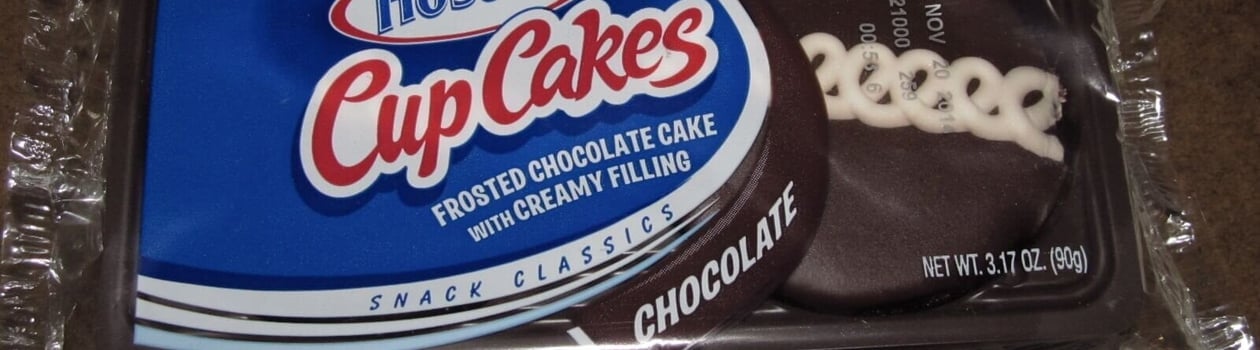
This day brings joy to many as it honors the famous chocolate cupcake with its signature white squiggle and creamy filling — it’s all about indulging in these sweet snacks and sharing the enjoyment with friends and family!
Hostess CupCake Day Timeline
Taggart Baking Company Introduces Chocolate Cup Cakes
The Taggart Baking Company in Indianapolis launches “Chocolate Cup Cakes,” an early commercially packaged cupcake that later evolves into the Hostess CupCake, helping popularize portable, individually wrapped snack cakes in the U.S.
Continental Baking Acquires Taggart and Builds the Hostess Brand
Continental Baking Company purchases Taggart Baking, gains its Chocolate Cup Cakes, and expands the Hostess brand nationwide, using industrial baking and distribution systems to make snack cakes widely available in grocery stores.
Cream Filling and White Squiggle Transform the Cupcake
Food technician D.R. “Doc” Rice develops an injected cream filling and the signature white-squiggle icing for the cupcake, reflecting mid‑century advances in automated baking, filling, and decorating equipment for mass‑produced snack cakes.
Snack Cakes Become a Staple of American Lunchboxes
By the 1960s, individually wrapped snack cakes, including cream‑filled cupcakes, become entrenched in American school lunch culture, driven by supermarket growth, longer shelf life through preservatives, and aggressive national advertising.
Captain Cupcake Debuts as a Mascot
Hostess introduces Captain Cupcake as a cartoon mascot in television commercials, part of a broader era when packaged snack cakes were marketed to children through colorful characters and animated advertising campaigns.
Hostess Snack Cakes Return Under New Ownership
After Hostess Brands’ 2012 liquidation, investment firms buy key snack cake brands and restart production in 2013, modernizing operations while preserving the familiar cream‑filled cupcake as a symbol of nostalgic American snacking.
How to Celebrate Hostess CupCake Day
The following activities promise a day filled with fun, creativity, and, most importantly, delicious cupcakes:
Host a Cupcake Tasting Party
Invite friends over for a cupcake-tasting adventure. Each person can bring different Hostess CupCake flavors. Arrange a blind taste test to see which flavor reigns supreme. It’s a fun way to discover new favorites and enjoy friendly competition.
Get Creative with Decorations
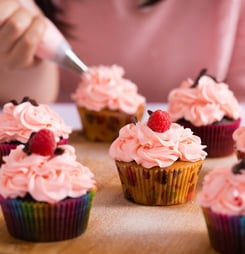
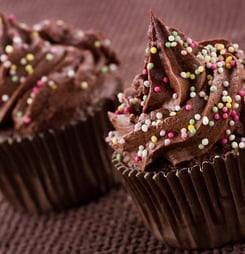
Grab some plain cupcakes, a variety of icings, and colorful sprinkles. Host a decorating session where everyone can let their inner artist shine.
From intricate designs to simple swirls, the possibilities are endless. This activity guarantees lots of laughs and delicious results.
Bake Your Cupcakes
Why not try baking your version of Hostess CupCakes at home? Gather ingredients like chocolate cake mix and creamy fillings. Follow a recipe and enjoy the fresh, homemade taste of your efforts. The whole family can join in on the baking fun.
Share the Sweetness
Spread the joy of Hostess CupCake Day by sharing cupcakes with neighbors, coworkers, or friends. Pack a few in a cute box and leave them as a surprise. It’s a sweet way to brighten someone’s day and share the celebration.
Watch Classic Hostess Commercials
Take a trip down memory lane by watching old Hostess CupCake commercials. Look up clips featuring the iconic Captain Cupcake. It’s a nostalgic way to see all those commercials and to appreciate their lasting appeal.
Explore New Flavors
Head to the store and explore the different Hostess CupCake flavors that are available. From classic chocolate to limited-edition varieties, there’s always something new to try. Make a game out of trying as many as you can and rating them.
Reasons for Celebrating Hostess CupCake Day
Hostess CupCake Day is celebrated for several reasons. First, it pays homage to a snack that has been a part of American culture for over a century. These cupcakes are not just a treat; they represent a piece of culinary history.
The day highlights the creativity behind the cupcake’s unique design, with its creamy filling and decorative swirl. Hostess CupCakes brings people together, offering a simple yet delightful way to share moments of happiness.
Whether enjoying a classic chocolate cupcake or trying a new flavor, Hostess CupCake Day is a sweet reminder of the simple pleasures in life.
History of Hostess CupCake Day
Hostess CupCake Day celebrates the iconic snack that has been enjoyed since its introduction on May 11, 1919. Created by the Taggart Baking Company, these cupcakes quickly became a favorite treat.
The cupcakes were initially called “Chocolate Cup Cakes” and featured a simple chocolate cake with icing. In 1925, Continental Baking Company purchased Taggart Baking, and the cupcakes were rebranded as Hostess CupCakes.
D.R. “Doc” Rice, an employee of Hostess, made significant improvements in 1950 by adding a creamy filling and the signature white squiggles on top. This unique design helped the cupcakes stand out from other snacks.
Hostess CupCakes gained massive popularity, with sales reaching 600 million cupcakes a year by 2011. Despite the company’s bankruptcy in 2012, Hostess CupCakes survived and continues to delight fans under new ownership by Apollo Global Management.
Facts About Hostess CupCake Day
Filled Cupcakes Helped Invent Modern Snack Cakes
The modern concept of a snack cake, with a soft crumb, injected filling, and chocolate coating, emerged in the early 20th century as industrial bakeries learned to mass‑produce filled cupcakes and similar treats.
As equipment improved, bakeries moved from hand-filling and icing to mechanized depositors, injectors, and enrobers that could turn out thousands of identical cupcakes per hour, setting the model for today’s packaged snack cake industry.
How Industrial Bakeries Keep Cupcakes Soft for Weeks
Packaged cupcakes stay soft and springy for surprisingly long periods because commercial bakers fine‑tune flour type, sugar level, and added fats, then support the texture with emulsifiers like mono‑ and diglycerides that help keep water evenly distributed in the crumb.
Humectants such as glycerin or corn syrup solids can also bind moisture, slowing staling and making it possible for cupcakes to retain a just-baked feel well beyond what is possible in most home kitchens.
The Role of Nitrogen Flushing and Barrier Films in Cupcake Freshness
Individually wrapped snack cakes rely heavily on packaging science: manufacturers use multilayer “barrier” films that limit oxygen and moisture transfer, then often flush packages with nitrogen gas before sealing.
By reducing the oxygen around the cupcake, these techniques slow lipid oxidation in the icing and cake, helping preserve flavor, color, and texture through distribution and shelf life.
Snack Cakes and the Rise of Convenience Foods
Individually wrapped cupcakes and similar items grew rapidly after World War II as Americans embraced convenience foods that fit lunch boxes, vending machines, and on‑the‑go lifestyles.
As more women worked outside the home and supermarket culture expanded, shelf‑stable snack cakes became a quick substitute for home‑baked desserts, helping to define the “grab‑and‑go” eating patterns that still dominate today.
Mascots Turned Snack Cakes into Pop Culture Icons
Snack cake brands in the United States leaned heavily on cartoon mascots and TV commercials from the 1950s through the 1980s to stand out in a crowded sweets market. Characters like Twinkie the Kid and other animated “host” figures appeared in Saturday‑morning ad blocks and on packaging, reinforcing brand loyalty among children and turning packaged cupcakes and snack cakes into recognizable pop culture symbols rather than just anonymous baked goods.
Snack Cakes as a Marker of American Nostalgia
Packaged cupcakes are frequently cited by cultural historians and food writers as shorthand for mid‑to‑late‑20th‑century American childhood, associated with school lunches, after‑school snacks, and suburban supermarkets.
This nostalgic power has kept snack cakes visible in films, television, and memoirs, where a single, individually wrapped cupcake can evoke memories of lunch boxes, cafeteria trades, and a particular era of processed food optimism.
How Vending Machines Expanded the Cupcake’s Reach
The spread of vending machines in factories, schools, and office buildings in the mid-1900s opened a new distribution channel for individually wrapped snack cakes and cupcakes.
Because these products could remain palatable without refrigeration and were portion-controlled, they became staple offerings alongside soda and chips, helping cement packaged cupcakes as an everyday impulse purchase rather than an occasional bakery indulgence.