

Throughout the world, body modification has been used for many purposes, from self-expression to rites of passage, shock value, and yes, sometimes spiritual or ceremonial observances. Piercing, in particular, is one of the most enduring forms of adornment: it can be subtle or dramatic, traditional or cutting-edge, deeply personal or purely aesthetic. International Body Piercing Day leans into that long story while spotlighting the modern, professional craft that helps people explore it safely.
In recent decades, body piercing has steadily moved from the margins to the mainstream. More workplaces accept discreet jewelry; more studios operate as highly trained, hygiene-focused businesses; more people see piercings the way they see hair color or a tattoo: a choice, a style, a statement, or simply a little sparkle exactly where they want it.
International Body Piercing Day is a day to join the ever growing number of people who have started getting piercings, or to appreciate the ones they already have. In England in 2005, a survey was done that revealed that 10% of people over the age of 16 have piercings in locations other than their earlobe. That number has often been used as a marker of how common “nontraditional” piercings have become, even in places where earlobe piercing has long been considered routine.
Women, as usual, are leading the charge in the newest form of fashion, and the men aren’t far behind. Of course, piercing trends rarely stay neatly divided by gender for long. Styles move quickly, and motivations vary widely: a first nostril stud chosen for everyday confidence, a carefully curated ear with multiple coordinated pieces, or a bold statement like a septum ring or eyebrow piercing that announces itself the moment someone enters a room.
International Body Piercing Day is a day to be daring, but “daring” does not have to mean reckless. The most exciting part of modern piercing culture is how much knowledge now exists around placement, jewelry design, materials, and healing. With the right information and a reputable professional, getting pierced can be both adventurous and responsible.
How to Celebrate International Body Piercing Day
International Body Piercing Day is a great opportunity to finally take the plunge and get that piercing that has been living rent-free in someone’s imagination. With an ever-growing selection of piercings, from ear piercings and nose piercings to lip and cheek piercings, people can display their individuality with a piece that feels meaningful to them, not just trendy.
For first-timers, celebrating can start before anyone ever sits in a chair. Part of the fun is doing a little “piercing homework” like a pro:
- Choose a reputable studio and piercer. A professional should be willing to talk through anatomy, placement, jewelry options, and healing expectations without rushing. Clean, organized workspaces and clearly explained sterilization practices are good signs.
- Ask about jewelry materials. Quality studios commonly use implant-grade metals and well-made jewelry designed specifically for initial healing. This matters because irritation is not only annoying, it can slow healing and complicate results.
- Discuss placement and lifestyle. A piercing that looks incredible in a photo may be miserable with certain headphones, helmets, sports, or a job that requires frequent mask-wearing. A good piercer helps match the idea to real life.
- Make a healing plan. Aftercare is not optional. Knowing how long a piercing typically takes to settle and what kind of cleaning routine is recommended can prevent a lot of drama later.
Those are just the piercings that are easily visible. When someone takes into account nipple piercings, the always eye-catching belly button piercing, and the incredibly daring variety of genital piercings, there are plenty of options for enhancing personal style in creative ways. It helps to remember that “creative” should still be paired with “appropriate anatomy.” Not every body suits every placement, and a skilled piercer will say so.
Celebrating can also mean upgrading existing piercings instead of getting a new one. Many people have older piercings done with outdated jewelry or awkward placement that can be improved with a professional assessment. Switching to better-fitting jewelry, resizing posts, or choosing a more skin-friendly material can make a piercing feel brand new.
International Body Piercing Day can also be celebrated in quieter ways:
- Support a local piercer’s work by booking a consultation, buying high-quality jewelry, or tipping well for careful service.
- Learn proper aftercare habits and retire the old myths: harsh cleaners, twisting jewelry, or “toughing it out” through swelling are all common mistakes.
- Celebrate piercing culture by sharing stories, admiring curated ear setups, or appreciating how jewelry design has become its own miniature art form.
Recent innovations have also brought into light the ‘dermal’, where a circle of skin is essentially punched out and a small anchoring base is placed under the surface. These can be placed just about anywhere on the body, but are quite common at the top of the sternum, with sparkling tops or decorative ends fastened on. Dermal anchors and surface piercings can look striking, but they also tend to be more anatomy-dependent and can be higher-maintenance than traditional piercings. A solid way to celebrate is to ask a professional what styles are realistic for someone’s daily routine, clothing preferences, and healing patience.
And, since this day is tied to education as much as aesthetics, one of the most fitting celebrations is simple: talk openly about safety. Professional piercing is built on training, sterilization, and sound technique. Helping a friend choose a reputable studio instead of a risky shortcut is an underrated act of kindness.
History of International Body Piercing Day
International Body Piercing Day is originally dedicated to Jim Ward, often heralded as “the granddaddy of the body piercing movement”. Ward is widely recognized for helping shape modern professional piercing into a field with specialized tools, jewelry standards, and a strong emphasis on education and hygiene. In other words, he helped transform piercing from something often done informally into something increasingly treated as a skilled body art practice.
He has been part of the forward driving force for piercings in the western world, and helped to develop the basic techniques for piercing, with a special focus on genital piercings. That focus mattered because certain placements demand more than a steady hand. They require a careful understanding of anatomy, appropriate jewelry design, and an approach that prioritizes both safety and long-term comfort.
Within piercing circles, Ward is also strongly associated with the growth of specialized piercing studios, where the entire environment is designed for the task, rather than treating piercing as an add-on service. This shift also encouraged better standardization: consistent procedures for sterilizing tools, using single-use needles, and maintaining a cleaner overall process. Many of these practices are now considered baseline expectations for professional studios.
He is directly responsible for introducing the incredibly popular barbell piercing style to the US, and the internal threading style was a vast improvement over existing piercing techniques. The reason internal threading mattered is surprisingly practical: threads that sit inside the jewelry reduce rough edges that can irritate tissue during insertion and wear, improving comfort and potentially reducing trauma during jewelry changes. Better jewelry design is not just “fancier,” it directly influences healing and long-term wearability.
This technique he picked up from ‘Tattoo Samy’ from Frankfurt, who had come to visit him a number of times in the US after this. The broader point, beyond any single name, is that modern piercing evolved through shared knowledge. Techniques and jewelry innovations traveled between practitioners and communities, refined through experience, and eventually became common standards.
International Body Piercing Day reflects that modern professional story. It recognizes piercing as a craft that thrives when it is treated seriously: with apprenticeships, continuing education, thoughtful jewelry engineering, and an insistence that personal expression should never require unnecessary risk.
More About Body Piercing
The history of body piercing isn’t clear, as there is a lot of misleading information out there, but there are significant indicators that it has been practiced by both men and women since prehistory. International Body Piercing Day is an opportunity to find a new way to express individuality with this age old practice, while also separating the well-supported history from the stories that are more legend than fact.
Ear piercing has been well known in Western cultures for at least the last couple hundred years, and evidence for it goes back much further. Archeological finds show pierced and stretched earlobes in ancient remains, suggesting that adornment of the ear is among the oldest and most widespread forms of piercing. Ear piercing can signal many things depending on time and place: beauty, maturity, status, belonging, rebellion, or simply a fondness for jewelry.
Nose piercing is also deeply rooted in human history and appears in records across multiple regions. In some cultures it has been tied to tradition and family customs; in others it has cycled in and out of fashion. Modern nostril and septum piercings often borrow aesthetics from many eras at once, blending classic jewelry shapes with contemporary styling.
But this is just the tip of the proverbial iceberg. Lip and tongue piercings have been present throughout the world, and they are particularly well documented in various African and Indigenous American contexts. In some communities, lip ornaments have been connected to adulthood, social standing, or beauty standards that can look unfamiliar to outsiders. It is a reminder that “normal” is a moving target, and piercing has long been part of how humans define beauty and identity within their own groups.
Nipple piercing can be tracked back at least as far as Ancient Rome in historical accounts, though the way it was practiced and what it signified likely varied. In modern times, nipple piercings are often chosen for aesthetics, body confidence, or personal symbolism. They can also be surprisingly practical in one sense: a properly done piercing with well-fitted jewelry is often more comfortable than people assume, but it requires patience during healing and respect for aftercare.
Genital piercing made a perhaps unexpected debut in Ancient India in historical references, and in modern Western piercing culture it became more visible through specialized practitioners and communities that emphasized correct technique and appropriate jewelry. Because these piercings are intimate and anatomy-specific, they are also where professional standards matter most. A serious studio will treat consultation, consent, privacy, and hygiene as non-negotiable.
Modern piercing has also created its own vocabulary and style logic. A “curated ear,” for instance, is not just “more holes.” It is planned placement that considers spacing, symmetry, anatomy, and how jewelry pieces will sit together. Many people build piercings gradually, healing one or two at a time and adding new ones like collecting small milestones.
It is also worth noting that some popular “ancient origin stories” for specific piercings are shaky. The belly button piercing, for example, is often surrounded by dramatic claims about ancient royalty and strict social rules. While navel piercings are beloved and iconic in modern fashion, their widely repeated ancient tales are not always backed by strong evidence. International Body Piercing Day fits nicely here as a gentle nudge toward better information: appreciating the real history is more interesting than repeating myths.
Finally, there is the practical side that keeps piercing culture thriving: healing and aftercare. A piercing is not finished when the jewelry goes in. It is an intentional wound that the body must repair around a foreign object. Healing time varies by placement, individual biology, and how well the piercing is cared for. Good aftercare is typically simple and consistent, not aggressive. Over-cleaning, harsh products, and constant touching are common causes of irritation.
International Body Piercing Day, at its best, celebrates the full picture: the artistry of jewelry, the confidence of self-expression, the cultural depth of piercing traditions, and the modern push for safe, educated practice.
International Body Piercing Day FAQs

You may also like

National Piercing Day
With a variety of styles and colors, adding a touch of sparkle to your look has never been easier—express yourself with the perfect accessory.
- Australia
- Canada
- United Kingdom
- and 1 more
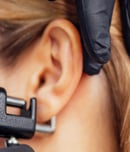
Pierce Your Ears Day
Pierce Your Ears Day is a fun and engaging celebration. It highlights the tradition of ear piercing and encourages people to enjoy this form of self-expression. Whether getting their first piercing or adding another to their collection, many use this day to embrace a stylish change. This day also helps...
- United States
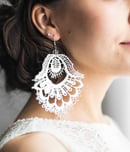
National Silly Earring Day
National Silly Earring Day is a playful celebration that invites people to treat their ears like tiny billboards for joy. Instead of saving statement jewelry for special occasions, this day permits everyone to go big, goofy, and gloriously imaginative with what they wear. It’s less about matching an outfit and...
- United States
International Safety Pin Day
Take inspiration from Safety Pin inventor Walter Hunt, and come up with your own clever and useful invention. Who knows, maybe it’ll be a hit like the safety pin.
- International
- United Kingdom
- United States
National days and holidays on June 28

Log Cabin Day
Warm and inviting, an image away from the buzz of modern life: take a tour of log cabins in your area, and let yourself daydream of a simpler life.
- Australia
- Canada
- United Kingdom
- and 1 more

National Ceviche Day
If you’ve never tried the citrusy seafood known as ceviche, now’s the time! Just the freshest raw fish, some citrus, and a garnish of cilantro.
- Ecuador
- Mexico
- Peru
- and 1 more

National Logistics Day
Spend some time learning about the sector of business that keeps everything moving and organized: logistics. See how you can help, and apply it to your own life.
- United States
Christopher Street Day
Celebrating diverse identities and promoting equality, an annual event advocating for LGBTQ+ rights and fostering a sense of community.
- Germany
- Netherlands
- United Kingdom
- and 1 more
Seize Every Day
Join free for personalised recommendations, email reminders and exclusive guides. Never miss a day.