International Cribbage Day
International Cribbage Day celebrates the classic card game cribbage and the very particular joy of moving tiny pegs around a wooden board like it is the most important business meeting of the week. It’s a game with a quirky rhythm, a sing-song scoring language, and just enough math to make people feel either brilliantly strategic or politely bewildered.
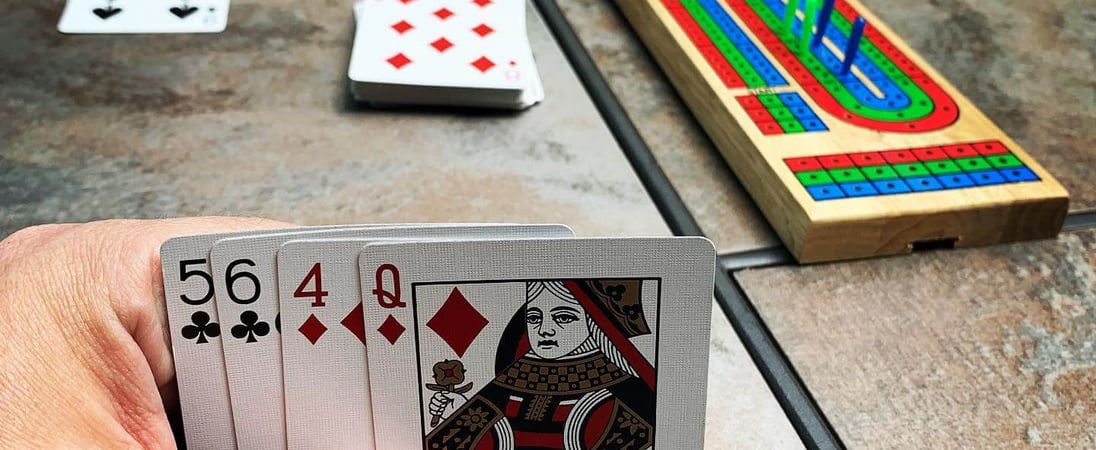
At its heart, International Cribbage Day highlights what makes cribbage so lovable: a mix of luck, skill, and social sparkle. Unlike many card games, cribbage has a built-in scoreboard, which turns every hand into a little race. Players do not just win, they “peg out,” and somehow that phrase never gets old.
International Cribbage Day also fosters a sense of community among enthusiasts. It’s a day for cribbage lovers to share their passion, introduce the game to new players, and keep the tradition alive. Cribbage has long been a favorite for pairs of friends, couples, relatives, club regulars, and anyone else who enjoys a competitive pastime that still leaves room for conversation.
Celebrating cribbage on this special day helps maintain its popularity and ensures that future generations can enjoy this timeless card game. As tabletop entertainment continues to evolve, cribbage remains refreshingly low-tech: a deck of cards, a board, a couple of pegs, and a willingness to say “fifteen-two” out loud without irony.
How to Celebrate International Cribbage Day
The first celebrations of International Cribbage Day spotlighted the game’s enduring popularity and brought together players from different backgrounds. A big part of the point is simple: play cribbage, talk about cribbage, and make it easy for someone new to learn without feeling like they wandered into an advanced calculus seminar.
Because cribbage can be enjoyed casually or competitively, the day fits a wide range of personalities. Some players want quiet focus and careful counting. Others want friendly trash talk, snacks, and a dramatic gasp every time a perfect run appears. Take a look at a few ideas for celebrating, whether the group is full of seasoned “peggers” or complete beginners.
Host a Cribbage Tournament
Gather friends, family, coworkers, or neighbors for a cribbage tournament that feels organized but not overly serious. A simple structure keeps things moving: decide on game length (many play to 121 points), set a time limit per round, and rotate opponents so everyone gets variety.
A few details can make a tournament smoother and more welcoming:
– Provide spare boards and decks, plus a couple of quick-reference scoring sheets for newer players.
– Assign a “rules table” person who can settle disputes about scoring or procedure without slowing everything down.
– Use clear, consistent rules about optional variations. Some groups allow “muggins” (where missed points can be claimed by an opponent), while others consider that the fast track to chaos. Agree beforehand.
Small prizes add charm without turning it into a high-stakes event. Think bragging-rights trophies, handmade ribbons, or even a humorous award like “Best Comeback” or “Most Dramatic Pegging.”
Cribbage-Themed Party
Transform a living room, break room, or community space into a cribbage haven. Decorations can be simple: playing cards as table confetti, score-pegs in little bowls, and a few boards set out like centerpieces. A chalkboard or poster listing common scoring combinations can double as decor and a learning tool.
Food can lean into the theme without getting too literal. Finger foods work well because cribbage is a game of frequent counting, pegging, and reaching for cards. If the group likes wordplay, snacks can be labeled with cribbage terms like “The Crib” for a snack tray or “The Cut” for a cake or dessert slices.
To keep non-players included, set up a “learn-to-play” corner where someone explains the basics while others play full games. Cribbage parties work best when there’s room for both serious play and lighthearted spectating.
Teach Someone New
Teaching cribbage is one of the most valuable ways to celebrate because it keeps the game alive beyond existing clubs and friend groups. The trick is pacing. Cribbage has a few moving parts, but it becomes friendly once the flow is understood.
A beginner-friendly teaching approach might look like this:
1. Start with the overall goal: score points, track them on the board, and be the first to reach the target.
2. Explain the “shape” of a round: deal, discard to the crib, turn the starter card, play cards for pegging, then count hands and the crib.
3. Introduce scoring in layers. Begin with fifteens and pairs, then add runs, then talk about “nobs” and flushes.
It also helps to normalize mistakes. New players often undercount or forget a scoring combo, and that is part of learning.
Many experienced players remember the moment cribbage “clicked,” and helping someone reach that moment can be as satisfying as winning.
Online Cribbage Showdown
When players can’t meet in person, cribbage translates surprisingly well to online play. A virtual showdown works best with a little structure: set a start time, decide whether games are single matches or best-of-three, and make sure everyone knows what platform will be used.
Video calls add the social element that makes cribbage feel like cribbage, not just a points calculator. Players can still celebrate the classic moments: the perfect pegging sequence, the unlikely comeback, the hand that looks terrible until the starter card appears like magic.
For groups with mixed experience levels, online play can also be a gentle training ground because many digital versions help with counting and reduce the chance of scoring errors. That can lower the barrier for beginners, who may be intimidated by the counting phase at first.
Cribbage Crafting
Cribbage is famously associated with its board, and that opens the door for crafty celebrations. Making a board can be as simple or as ambitious as the maker wants.
Some people prefer traditional wooden boards with clean lines, while others enjoy novelty shapes, bright colors, or personalized themes.
Crafting ideas that do not require advanced woodworking include:
– Decorating inexpensive boards with paint or wood stain.
– Making custom pegs from beads, wire, or small carved pieces.
– Designing score cards or mini posters that explain scoring combinations.
– Creating a travel kit: a compact board, a deck, and a pouch for pegs.
Even non-crafters can join by “adopting” an old board. Cleaning it up, replacing pegs, or simply learning the story behind a well-used board can turn it into a sentimental centerpiece for the day.
Cribbage and Cocktails
Pair cribbage with a beverage night, whether that means cocktails, mocktails, tea, or fancy sodas. The goal is a relaxed atmosphere where the game feels like part of a bigger hangout.
If drinks are part of the plan, it helps to keep them simple. Cribbage involves counting and attention, and overly complicated concoctions can turn “fifteen-two” into “fifteen…something.” A themed menu is still fun: drinks named after “The Crib,” “The Cut,” or “Skunk Line” (a term used in some circles for a lopsided loss).
This celebration style works especially well for casual players who want conversation first and competition second.
Cribbage Club Meeting
For anyone already in a cribbage club, International Cribbage Day is an excuse to make a regular meeting feel extra special. Clubs can add a mini-lecture, a themed competition, or a “bring a beginner” night where experienced players pair up with new ones.
A club celebration can also highlight the culture of cribbage: the polite pace, the shared vocabulary, and the way players learn each other’s style over time.
Some groups play fast and aggressively during pegging, while others build points patiently through careful discards and hand counting.
Adding a short storytelling segment can be surprisingly meaningful. Many people were taught cribbage by a parent, grandparent, or friend, and those stories become part of what the day is really about: continuity, not just winning.
Cribbage Charity Event
A charity cribbage event combines competition with generosity. The format can be simple: an entry donation per player, small prizes, and a clear announcement of where funds go. Some groups add a raffle, a bake sale, or donated items like handmade boards or card decks.
Charity play also helps the game feel welcoming. Cribbage has a reputation for being a “serious” game because of the scoring, but an event with a good cause softens the edges. It reminds everyone that the real prize is connection and shared fun.
History of International Cribbage Day
International Cribbage Day began in 2017, connected to organized efforts by the American Cribbage Congress to celebrate and promote the game. The day aligns with February 10, a date widely associated with Sir John Suckling, the English poet and enthusiastic gambler credited with inventing cribbage in the early 17th century.
Cribbage itself emerged as an evolution of an older English game commonly called “Noddy.” Suckling is often described as a tinkerer of games, refining the mechanics into something tighter and more replayable.
Whether players love cribbage for its strategy, its tradition, or the satisfying feel of pegging points, the game’s design has proven remarkably durable.
One reason cribbage lasted when many old card games faded is its elegant structure. Each round delivers multiple phases, and each phase rewards different skills:
– Discarding the crib rewards judgment and risk management, especially because the dealer’s crib can be a bonus or a trap.
– Pegging rewards quick calculation and tactical restraint. Sometimes the best move is not the highest card, but the one that avoids giving the opponent an easy run or a “15.”
– Counting hands rewards pattern recognition and a steady approach to arithmetic, with the starter card acting like a twist ending.
The cribbage board also became part of the game’s identity. Instead of trying to remember scores, players see progress physically, peg by peg, like a tiny marathon. That physical scoring system encourages spectatorship, too. Someone can walk by, glance at the board, and instantly understand whether the game is close or headed toward a rout.
Cribbage gained a reputation as a social game that travels well, which helped it spread through everyday life. It became particularly popular among sailors and others who spent long stretches in close quarters.
The game works beautifully with two players, needs minimal equipment, and can be played repeatedly without feeling repetitive. That portability and adaptability helped cribbage move across oceans and into homes, clubs, and community gatherings.
International Cribbage Day celebrates more than a set of rules. It honors a living tradition that blends competition with companionship. The game’s appeal lies in its combination of simplicity and depth, making it friendly for beginners while still giving experienced players endless opportunities for clever play. It also keeps the mind engaged, encouraging mental math, probability awareness, and strategic planning in a way that feels like fun rather than homework.
In a world full of distractions, cribbage remains wonderfully focused: a small board, a handful of cards, and the steady satisfaction of pegging forward one point at a time.
Also on ...
View all holidays
National Umbrella Day
Be prepared for any weather with this must-have accessory! It's lightweight, colorful, and functional. Say goodbye to getting soaked and hello to style.
World Pulses Day
These plant-based protein sources offer nutrition, sustainability, and versatility, enriching meals and promoting health and wellness.

Plimsoll Day
The man who made sure ships stayed afloat, revolutionizing safety at sea with his ingenious mark, ensuring journeys were safer for all.

We think you may also like...

Teddy Bear Picnic Day
Based on the early 20th Century pop song “The Teddy Bears’ Picnic”, this day is all about spending time on a picnic with friends, family, and teddy bears.

National Mr. Potato Head Day
Celebrating the charm of a versatile, spud-based toy, sparking creativity and timeless joy through imaginative play and customization.