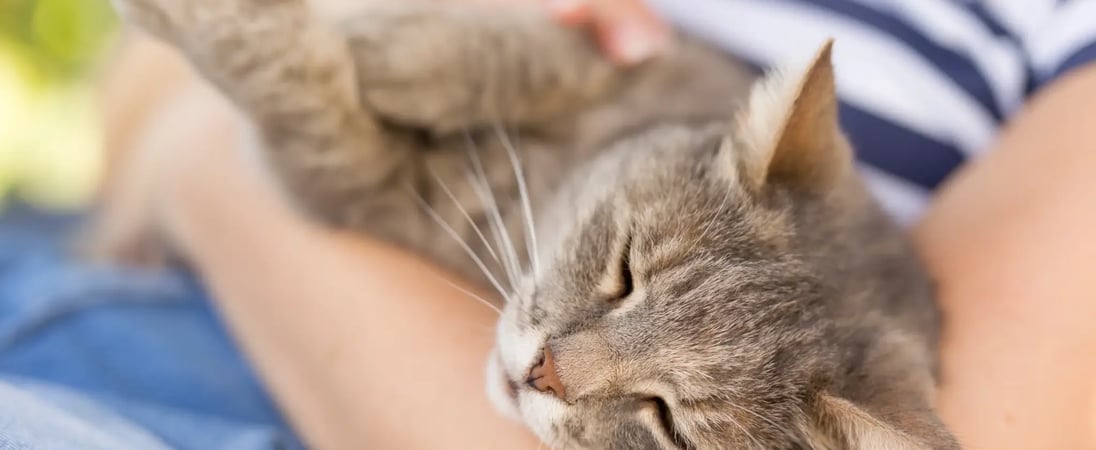
International Rescue Cat Day
Bringing home a furry friend in need — it's all about giving a second chance and finding a loyal companion for life.
It is estimated that there are millions of homeless cats in the United States each year who are just waiting and hoping for a family to take them in and love them!
International Rescue Cat Day is here to raise awareness for the cause and bring humans into a life-giving and love-giving relationship with these adorable and delightful furry creatures.
How to Celebrate International Rescue Cat Day
International Rescue Cat Day is a great time to be a better citizen of the planet and help someone who simply can’t help themselves. Get involved with celebrating and observing this day with a number of ideas, including:
Consider Adopting a Cat
Cat adoption is the ideal way to observe International Rescue Cat Day, so stop by the local animal shelter and find out what exactly it takes to become the new family for a little cat. Each animal shelter will have different requirements, but paying a visit or checking out the details on their website is a good way to get started.
Of course, pets are for life and shouldn’t be adopted on a whim, so be sure the decision is made in a thoughtful, considered way and not simply with emotions! Perhaps take a look at some of these factors to consider before committing to adopting a pet:
- Finances. The cost of a pet is more than just food each day. In addition, cats need shots, flea and tick medication, heartworm meds, annual medical visits to the vet, safe toys, litter and other treats. The average cost for a cat has been estimated to be over $600, which breaks down to be about $50 per month of cat ownership.
- Stability. Though cats can be pretty flexible, they do need a stable home. If you have in mind that you might be moving in the near future, do you have a plan that allows for a cat? For instance, those who rent or lease need to make sure that the place they are living, or will move to, allows for pets.
- Kids or other pets. It’s important to consider family dynamics when adopting a pet. Families with children need to be sure that their new cat will be child friendly. In addition, families that already have pets, either another cat or a dog, should be sure that the other pets can all get along with the new cat.
Make a Donation to an Animal Shelter
Those who already have enough pets, or simply can’t take care of one for any number of reasons, can still get involved with celebrating International Rescue Cat Day. This might mean making a donation to a local cat charity or an animal shelter that takes care of adoptable pets. Or it might mean donating to a Trap, Neuter, Release program that helps to keep feral cats from breeding on the streets. In any case, help out a stray or homeless cat or two by making a donation to the local shelter.
Attend an International Rescue Cat Day Event
Some animal shelters and cat support organizations may host events in honor of International Rescue Cat Day! It might be fun to attend one of these events to learn more about the charities that support cats as well to meet other cat owners. Plus, it may be a good way to get information for those who are looking to adopt a cat, or it might be a good way to find resources, like the name of a good veterinarian.
Give Kitty Some Extra Love
Those who already have a cat that they have gotten as a rescue should be sure to give their kitty extra love and attention in honor of International Rescue Cat Day. Show them how much they are loved and appreciated by giving them an extra cat treat, buying them a new cat toy, or scheduling them for an annual medical exam with the vet. Cats who like attention might just enjoy an extra cuddle, hug or play time in celebration of the day.
Make a Cat Day Playlist
In honor of International Rescue Cat Day, don’t forget to have a little soundtrack running in the background that imbibes the day with some cat energy. Play the soundtrack from the Broadway musical, Cats, or consider some of these songs:
- What’s New Pussycat? by Tom Jones (1965)
- Stray Cat Strut by Stray Cats (1981)
- Cool for Cats by Squeeze (1979)
- Honky Cat by Elton John (1972)
Volunteer at an Animal Shelter
Those who have a lifestyle that doesn’t really allow them to adopt a cat but really enjoy spending time with them might want to volunteer at a local animal shelter. Whether it’s feeding, cleaning, or playing with the cats, animal shelters need volunteers to help out. Consider International Rescue Cat Day as the perfect time to inquire at a local shelter to see what their needs are and how it might be possible to help on a regular basis.
International Rescue Cat Day Timeline
c. 7500 BCE
Early Human–Cat Association Evident in Cyprus
A human burial at the Neolithic site of Shillourokambos on Cyprus includes an intentionally placed cat, providing some of the earliest clear evidence of a close relationship between humans and cats. [1]
1866
ASPCA was founded to Prevent Cruelty to Animals in the United States
Henry Bergh establishes the American Society for the Prevention of Cruelty to Animals in New York City, creating one of the first organized efforts to protect companion animals such as cats through law enforcement and advocacy.
1885
Battersea Establishes a Permanent Home for Dogs and Later Cats
Battersea in London moved into its current site in 1885 and developed over time into one of the best-known rescue centers, later expanding its work to include the care and rehoming of cats alongside dogs.
1944
Best Friends Animal Society Co‑founder Started Informal Rescue Work
The informal rescue efforts that would eventually lead to Best Friends Animal Society began in the 1940s, laying the groundwork for what would become a major voice in saving homeless pets, including cats, through sheltering and adoption.
1990
First Large‑Scale Trap‑Neuter‑Return Program in the United States
In 1990, Alley Cat Allies launched what is recognized as the first nationwide Trap‑Neuter‑Return program in the United States, promoting a humane, rescue‑focused approach to managing and protecting community cats.
History of International Rescue Cat Day
Cats have been woven in and out of human history for many centuries. Domesticated a few thousand years ago, cats can do more than just catch mice. They make great companions for many people, offering affection and love, even if it is mostly on their own terms!
But many times, cats find themselves without homes. Sometimes a beloved mama cat gets pregnant and the kittens are turned into a shelter by a family who can’t take care of them, or a cat owner is allergic and not able to keep them. As it turns out, there are many sad circumstances when cats find themselves living in animal shelters, hoping and waiting to be adopted by a family.
International Rescue Cat Day was founded by Yorkshire Cat Rescue in England and its first observance was in 2019. The day takes place at the beginning of International Rescue Cat Awareness Month and is a perfect time to launch a few weeks that pay special attention to the plight of sweet, furry cats who are in need of a home and a family to care for them.
International Rescue Cat Day: Key Facts That Shape How We Understand Cats
From their unusual path to domestication to their impact on wildlife and the changing role of shelters, these facts highlight how closely cats’ lives are tied to human choices.
Together, they show why rescue, responsible population management, and humane care matter—not just for cats, but for ecosystems and communities too.
-
Cats May Have Domesticated Themselves
Genetic and archaeological evidence suggest that domestic cats likely emerged when wildcats began living near early farming communities in the Fertile Crescent around 8,000 to 10,000 years ago, drawn by rodent populations around stored grain.
Rather than being deliberately bred for specific traits at first, these cats appear to have essentially “self-selected” for tolerance of humans, gradually evolving into the domestic cats seen today.
-
Feral Cats Can Severely Impact Native Wildlife
Studies from several countries have found that free-roaming and feral cats can have a large cumulative effect on native wildlife.
In the United States alone, research published in Nature Communications estimated that cats kill between 1.3 and 4.0 billion birds and 6.3 to 22.3 billion mammals each year, with unowned cats responsible for the majority of this predation.
-
Trap‑Neuter‑Return Programs Can Stabilize Cat Colonies
Trap‑neuter‑return (TNR) programs, which humanely trap, sterilize, vaccinate, and return community cats to their outdoor homes, have been shown in several long‑term studies to reduce colony size over time.
For example, a 23‑year program at the University of Central Florida documented a 66 percent decline in the campus cat population, with no new kittens born after the first few years of the project.
-
Shelter Euthanasia of Cats Has Dropped Dramatically in the U.S.
Data compiled by Best Friends Animal Society and other tracking efforts show a steep decline in shelter euthanasia for cats over the past decade.
In 2011, U.S. shelters were estimated to euthanize about 1.5 million cats annually, but by 2023 that figure had fallen to a little over 200,000, a change attributed to higher adoption rates, spay/neuter access, and more lifesaving shelter practices.
-
Indoor Cats Typically Live Much Longer Than Outdoor Cats
Veterinary data consistently show that keeping cats indoors or providing “indoor‑plus‑supervised‑outdoor” access greatly extends their average lifespan.
The American Veterinary Medical Association notes that indoor cats often live 10 to 15 years or more, while cats allowed to roam freely outdoors may survive only 2 to 5 years on average because of risks like traffic, disease, and fights with other animals.
-
Adopting From Shelters Helps Tackle Overpopulation at Its Source
Shelter Animals Count, a national database that aggregates information from thousands of U.S. shelters and rescues, reports that millions of cats enter shelters each year.
Every adoption not only gives one animal a home but also frees space and resources so organizations can help additional cats, which is crucial in reducing intake pressure and the risk of euthanasia for lack of capacity.
-
Cats Provide Measurable Mental Health Benefits
Research into companion animals and human health has found that cat ownership is associated with reduced feelings of loneliness, lower perceived stress, and improved mood for many people.
A survey-based study published in BMC Psychiatry in 2020 reported that both dog and cat guardians frequently described their animals as important sources of emotional support, routine, and comfort, especially during times of crisis.
International Rescue Cat Day FAQs
What should people know about the difference between stray, feral, and owned cats when thinking about “rescue” cats?
Animal welfare organizations distinguish between owned cats (who have human caregivers), stray cats (lost or abandoned pets that are usually socialized to people), and feral or community cats (unsocialized cats that live outdoors and avoid close human contact).
This matters because friendly strays and surrendered pets can usually transition into indoor homes, while truly feral cats are often better helped through community-based programs such as trap‑neuter‑return (TNR) and managed colonies rather than traditional adoption. [1]
How common is homelessness among cats worldwide, and why do so many end up in shelters?
Reliable global counts are difficult, but studies and national estimates suggest that free‑roaming and unowned cats exist in the tens of millions in many regions.
In the United States alone, shelters take in hundreds of thousands to millions of cats each year, often because of unplanned litters, owner surrenders related to housing, finances, or allergies, and cats found as strays.
Animal welfare groups highlight spay/neuter access, pet‑inclusive housing, and responsible ownership as key strategies to reduce the flow of cats into shelters. [2]
What health checks and preventive care are especially important for newly adopted rescue cats?
Veterinarians typically recommend that new rescue cats receive a physical exam soon after adoption, testing for feline leukemia virus (FeLV) and feline immunodeficiency virus (FIV), core vaccinations (such as feline viral rhinotracheitis, calicivirus, and panleukopenia), parasite control for fleas, ticks, and intestinal worms, and spaying or neutering if not already done.
Ongoing preventive care usually includes annual wellness exams, vaccinations according to risk, dental monitoring, and weight management, which are particularly important for cats that may have had uncertain medical histories before rescue.
How do trap‑neuter‑return (TNR) programs aim to help unowned cats, and what are some ongoing debates about them?
TNR programs humanely trap free‑roaming cats, surgically sterilize and vaccinate them, then return them to their original location under the oversight of caregivers who provide food and monitor health.
Research shows that well‑managed TNR programs can stabilize or gradually reduce colony size and improve welfare for cats by preventing repeated litters and some reproductive diseases.
However, there is active debate among conservation biologists and some veterinarians about outdoor cats’ impacts on wildlife, public health concerns, and whether alternative approaches, such as containment or targeted removal, may be more appropriate in certain sensitive ecosystems.
What behavioral challenges are common in rescue cats, and can they usually be improved?
Many rescue cats arrive with stress‑related behaviors such as hiding, overgrooming, inappropriate scratching, or fear‑based aggression.
These behaviors often reflect previous stress, lack of socialization, or abrupt environmental change rather than a fixed “personality.”
Studies and clinical experience show that patient handling, environmental enrichment, predictable routines, and, when needed, behavior modification or veterinary intervention can significantly improve most cases, allowing many cats to settle into stable and affectionate companion roles over time. [3]
How can adopters make the transition from shelter to home less stressful for a rescue cat?
Experts recommend setting up a quiet “safe room” with a litter box, food, water, hiding spots, and resting places, then allowing the cat to explore gradually at its own pace.
Limiting loud noises and visitors, using scent‑based introductions for other pets, providing vertical space and play sessions, and sticking to consistent feeding times all help reduce anxiety.
Behavior and welfare organizations note that many cats need several weeks before they feel secure, so gentle interaction and patience are key during the early adjustment period. [4]
Is it better for a rescue cat to live strictly indoors, or can some safely go outdoors?
Major veterinary and animal welfare bodies generally advise that companion cats live indoors or in controlled outdoor settings, such as enclosed “catios” or supervised leash walks, to reduce risks from traffic, disease, predators, toxins, and fights.
Strictly indoor cats typically live longer on average, provided they receive environmental enrichment and opportunities to climb, scratch, and play.
In areas where cats are traditionally allowed to roam, some owners choose a hybrid approach, but experts emphasize that responsible management and local wildlife concerns should guide decisions about outdoor access.
Also on ...
View all holidays
Dr. Seuss Day
Celebrate a beloved author's whimsical tales, dive into colorful worlds of rhyme and imagination, and embrace the joy of reading.

National Egg McMuffin Day
Mornings are better with a certain golden arches menu item — the perfect breakfast sandwich that's crispy, juicy and easy to make at home.


We think you may also like...

National Dress Up Your Pet Day
Set up a literal catwalk and treat your furry friends to some safe, comfortable fashion, organize a fun photo shoot or go all out with matching outfits.