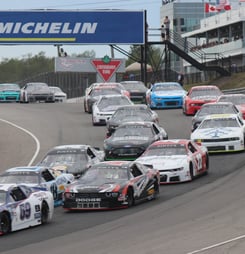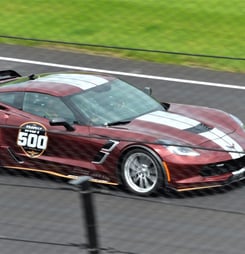
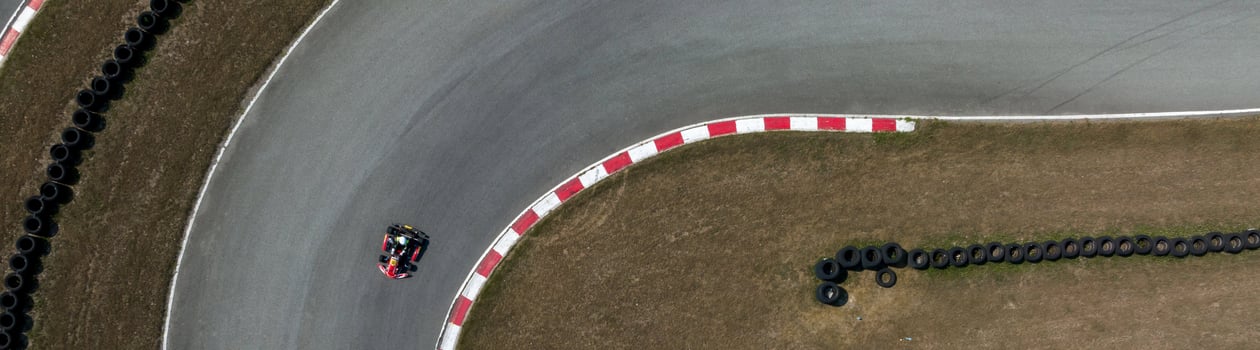
International Sports Car Racing Day puts the spotlight on one of motorsport’s most entertaining corners: the world of sports car endurance racing, where sleek machines, clever strategy, and driver stamina collide. It’s a day for fans to savor roaring engines and razor-thin margins, but also to appreciate the teamwork and engineering that make these races feel like high-speed chess played at full volume.
This day celebrates the exhilarating world of sports car racing, which blends outright speed with controlled aggression and an almost obsessive attention to detail. Unlike some forms of racing where a single sprint decides everything, sports car racing often rewards patience, consistency, and the ability to adapt when conditions change.
That mix creates a festive atmosphere for longtime enthusiasts and curious newcomers alike, because there is always something happening on track, in the pits, or in the unfolding story of the race.
The celebration is closely tied to the 12 Hours of Sebring race, a cornerstone event held at Sebring International Raceway in Florida. Sebring is famous not only because it is prestigious, but because it is demanding in a very particular way.
It is a place where even the best teams expect the unexpected, and where the winning formula is rarely just “be the fastest.”
This endurance race, known for its challenging course and competitive spirit, draws crowds and attention from across the motorsport world. A 12-hour format changes everything: drivers share the car, teams choreograph pit stops like a performance, and engineers balance speed against the risk of wearing out tires, brakes, and components.
Sports car racing fans use this day to engage in activities that match their level of obsession, from simply watching the action to meeting fellow fans, visiting a local cars-and-coffee gathering, or showing off a beloved sports car that never sees a racetrack but still turns heads.
Why do people celebrate International Sports Car Racing Day? It’s not just about the thrill of the race. It’s also about the innovation and engineering excellence that sports car racing promotes. Endurance events push development in areas that matter beyond competition, such as reliability, materials, aerodynamics, lighting, braking, and increasingly sophisticated data analysis.
The sport has a long tradition of taking hard lessons learned at speed and turning them into smarter design, whether that means sturdier components, more effective cooling, or systems that help drivers maintain consistent performance for hour after hour.
International Sports Car Racing Day Timeline
First Organized Motor Competition
The Paris–Rouen trial, held as a reliability run for early automobiles, becomes widely recognized as the first organized motor contest and sets the stage for circuit and endurance racing.
Birth of 24 Hours of Le Mans
The inaugural 24 Hours of Le Mans in France introduced the modern template for sports car endurance racing, emphasizing speed, reliability, and efficiency over a full day.
First 12 Hours of Sebring
Alec Ulmann stages the first 12 Hours of Sebring on the runways of the former Hendricks Army Airfield in Florida, quickly establishing the race as a premier international sports car endurance event.
World Sportscar Championship Begins
The FIA launches the World Sportscar Championship, linking major endurance races such as Sebring, Le Mans, and others into a single international series that formalizes top-level sports car racing.
Sebring Hosts First U.S. Formula One Grand Prix
Sebring International Raceway briefly steps beyond sports cars to host the first United States Grand Prix for Formula One, underscoring the track’s growing prestige in world motorsport.
Sebring Joins IMSA Camel GT Era
After nearly disappearing from the calendar, the 12 Hours of Sebring is rescued and integrated into the IMSA Camel GT Championship, helping to usher North American sports car racing into a professional, manufacturer-backed era.
Sebring Opens the FIA World Endurance Championship
The 12 Hours of Sebring serves as the opening round of the revived FIA World Endurance Championship, reaffirming its status as a cornerstone event in global sports car racing.
History of International Sports Car Racing Day
International Sports Car Racing Day was established in 2013 and is closely linked to the 12 Hours of Sebring, an endurance race that has become deeply embedded in sports car racing culture.
The observance is set to align with Sebring’s race weekend, underlining how central that event is to the identity of endurance racing and how it helps define the season for many fans.
To understand why Sebring carries so much symbolic weight, it helps to know what makes the venue and the race distinctive. Sebring International Raceway grew out of a former World War II airfield, a detail that still shapes the driving experience.
Portions of the circuit incorporate surfaces originally designed for aircraft, not race cars. That history leaves a physical signature: a rough, unforgiving track that places heavy demands on suspension, tires, and driver focus. At Sebring, maintaining pace is not enough. Cars have to survive.
The 12-hour format itself adds another layer of identity. Endurance racing is built on the idea that victory is earned over time. Teams rotate multiple drivers through the same car, and that creates a different kind of heroism than a short sprint.
A driver can be spectacular for a few laps, but endurance racing asks for something else: clean stints, smart traffic management, and the discipline to bring the car back in one piece even when fatigue creeps in. It also emphasizes collaboration.
Engineers interpret data, strategists calculate fuel windows, pit crews execute rapid service, and drivers communicate what the car is doing as the track rubbers in and conditions evolve.
Sebring has also played an important role in the broader story of sports car racing. Over the decades, many major manufacturers and legendary drivers have treated it as a proving ground. Its reputation grew alongside the international prestige of endurance racing, making it a natural anchor point for a day dedicated to the sport.
The event has welcomed a range of machinery, from early sports cars to wildly advanced prototypes, and that variety reflects one of the great joys of sports car racing: a single race can include multiple classes competing at once. That means fans are watching several battles unfold simultaneously, each with its own strategy and stakes.
The day serves to celebrate the rich history and thrilling nature of sports car racing more generally, not only the drama of one famous event.
Sports car racing has long attracted people who love the intersection of performance and practicality, because these cars often share a family resemblance with road-going sports cars, even when they are purpose-built race machines underneath.
That resemblance makes it easier for fans to imagine themselves behind the wheel, even if they never plan to do more than carefully park at a weekend meet-up.
International Sports Car Racing Day also highlights how the sport has evolved. Early endurance events rewarded durability above all else. As technology advanced, the balance shifted toward building cars that are both fast and robust, capable of sustaining high performance for long stretches without sacrificing safety.
Rule sets have helped shape this evolution by encouraging certain design directions, and racing organizations have steadily refined safety practices, equipment standards, and track procedures.
While spectators naturally focus on the fight for position, much of the sport’s ongoing progress happens behind the scenes in how teams prepare, how cars are inspected, and how incidents are managed.
Moreover, International Sports Car Racing Day reflects on the contributions of sports car racing to automotive knowledge and culture. The relentless demands of racing have encouraged experimentation with stronger materials, improved brake systems, more stable aerodynamics, and better lighting for long-distance events.
Just as importantly, endurance racing has helped popularize the idea that performance is not only about peak speed, but also about consistency, efficiency, and the ability to keep operating under stress. In a world that often celebrates instant results, endurance racing offers a different kind of spectacle: the long game, played loudly.
How to Celebrate International Sports Car Racing Day
Celebrating International Sports Car Racing Day can be a blast, whether a person is the sort who memorizes lap times or the sort who just likes the sound of an engine echoing off the grandstands.
The best celebrations capture what makes sports car racing special: community, curiosity, and a willingness to enjoy both the glamour and the grit.
Gear Up for a Watch Party
A watch party is the easiest way to bring endurance racing energy into a living room without requiring a fireproof suit. Streaming a major sports car race and treating it like an event creates a shared experience that mirrors what happens at the track: people gather, react, debate strategy, and pick favorites.
To make it feel more like race day, lean into endurance-race traditions. Set up “stint breaks” where snacks appear on a schedule, as if the kitchen is a pit lane. Create a simple scoreboard on a whiteboard or a sheet of paper to track the top contenders and any class battles that emerge.
Endurance races can be complex, especially when multiple classes share the track, so even a small amount of structure helps newcomers follow along without feeling lost.
Food can join the theme without becoming gimmicky. Finger foods that are easy to grab during an exciting sequence keep everyone engaged, and a “fuel stop” snack station can be as simple as bowls of trail mix, pretzels, and fruit. For extra fun, assign guests a team to root for and ask them to explain their pick, whether it’s because of a favorite manufacturer, a cool livery, or a soft spot for underdogs.
A watch party can also include a mini “tech segment.” During a lull in the action, someone can explain what a pit stop typically involves, why tire choices matter, or how teams manage traffic when faster prototypes and slower cars share the same racing line. That kind of context turns casual viewing into real appreciation, and it is a big part of what International Sports Car Racing Day is trying to encourage.
Hit the Virtual Tracks
Virtual racing is a surprisingly good way to understand endurance racing’s mental load. Many racing games and simulators capture the basics of tire wear, fuel use, and driving consistency. Even a short session can teach why it’s difficult to be smooth for lap after lap and why mistakes compound over time.
A group can organize a friendly endurance-style competition at home by creating teams, rotating drivers every set number of laps, and requiring a pit stop. The goal does not have to be perfect realism. The point is to experience the rhythm of endurance racing: the pressure of handing the car off without losing time, the temptation to push too hard, and the satisfaction of completing a clean stint.
For players who want to go a step further, picking a track known for bumps, changing grip, or heavy braking zones can mimic the kind of challenge Sebring is famous for. Turning on damage settings, even if they are mild, encourages the endurance mindset: fast is good, but finishing is better.
Virtual racing is also a great equalizer. Not everyone has access to a racetrack, and not everyone has an interest in driving fast in real life. A simulated race lets fans participate in the culture of sports car racing while keeping the focus on skill, strategy, and good sportsmanship.
Visit the Legends
For fans who prefer real sights and sounds, visiting a local racetrack, motorsport museum, or car collection can bring sports car racing history to life. Many venues offer tours, paddock access during certain events, or opportunities to see race cars up close.
Even when no cars are on track, walking through a facility designed for racing can be surprisingly evocative. Garages, pit lanes, and grandstands all have their own atmosphere, like a stage waiting for the performance to begin.
A visit can also focus on the human side of the sport. Sports car racing is intensely team-oriented, and seeing how a paddock is organized makes that obvious. A single car can require a small army of specialists, from mechanics and engineers to tire technicians and logistics staff.
Watching a crew practice a tire change or seeing the equipment used to refuel and service a car quickly helps people understand why endurance racing is often described as a contest of preparation as much as speed.
For those who own a sports car, International Sports Car Racing Day can also be a good excuse for a respectful, safety-minded drive on public roads. The celebration does not need illegal speeds or risky behavior. A scenic route, a clean car, and an appreciation for the machine are more in the spirit of sports car culture than treating public streets like a circuit.
Learn from the Pros
Sports car racing rewards curiosity. Learning how the sport works can be as satisfying as watching the race itself, because it reveals how many moving parts are involved. A person can celebrate by diving into the mechanical and strategic layers that make endurance racing unique.
One approach is to host a small educational session with friends where each person brings a topic. Someone might explain racing classes and why multi-class racing exists. Another might cover the basics of aerodynamics, like why wings and diffusers matter. Another might outline pit strategy, including why teams choose certain moments to stop and how they plan around caution periods.
It can also be a day to explore the engineering mindset behind racing development. Sports car programs often focus on extracting performance without sacrificing reliability, a balancing act that shows up in everything from cooling systems to brake design. Learning about how teams monitor tire temperatures, brake wear, and fuel consumption turns the sport into a fascinating study of real-time problem-solving.
Finally, it is worth appreciating the skills that drivers bring beyond bravery. Endurance drivers manage traffic constantly, often overtaking slower cars while being overtaken by faster ones in the same corner.
They communicate with engineers about how the car feels, even when they are tired, and they maintain concentration deep into long stints. Watching onboard footage with this in mind can change the experience from “look how fast” to “look how precise,” which is a fitting way to honor International Sports Car Racing Day.
International Sports Car Racing Day Facts
From historic airfields turned racetracks to legendary endurance challenges, sports car racing is built on speed, innovation, and extreme durability.
These facts explore the origins of iconic circuits, the role of endurance racing in improving road cars, and the elite events that define the sport’s toughest global competitions.
Sebring’s Runway Roots
Sebring International Raceway, home of the famous 12-hour sports car race, was created on the runways and service roads of the decommissioned Hendricks Army Airfield, a World War II B-17 bomber training base.
The first major race there in 1950 used much of the original airfield pavement, which gave Sebring its notoriously bumpy character that still challenges modern sports prototypes and GT cars.
Endurance Racing as a Laboratory for Reliability
Long-distance sports car races such as the 12 Hours of Sebring and 24 Hours of Le Mans were originally conceived partly to test the durability and fuel efficiency of production-based cars.
In the 1950s and 1960s, manufacturers like Ferrari, Porsche, and Jaguar used these events to stress‑test engines, brakes, lights, and gearboxes over hundreds of laps, then fed those lessons into more reliable road cars.
Sports Car Racing and the “Triple Crown” of Endurance
Within global sports car racing, three endurance classics are often treated as an informal “triple crown”: the 24 Hours of Le Mans in France, the Rolex 24 At Daytona, and the 12 Hours of Sebring.
Together they form a grueling mix of high-speed European circuits and rough American airfield layouts, and very few drivers have won all three, underscoring how demanding and specialized top-level sports car racing is.
Motorsports as a Multi‑Billion‑Dollar Industry
Sports car racing sits inside a much larger motorsports economy that a 2025 Performance Racing Industry study estimated generates about $69.2 billion in annual U.S. economic activity.
According to that analysis, racing-related businesses support more than 318,000 jobs, $22.1 billion in wages and benefits, and roughly $8.2 billion in tax revenues nationwide, illustrating how track competition is tied to manufacturing, tourism, and local services.
From Circuit to Showroom: Disc Brakes and Aerodynamics
Some of the most important advances in everyday car technology grew up in sports car racing. Jaguar’s C‑Type used pioneering disc brakes to win Le Mans in 1953, helping prove the system’s superiority over drums, while later sports prototypes from manufacturers like Porsche and Audi refined wind‑tunnel‑developed bodywork, underbody diffusers, and rear wings that influenced how modern road cars are shaped for stability and fuel economy.
Sebring’s Role in International Championships
The 12 Hours of Sebring has repeatedly been woven into international sports car championships, from the World Sportscar Championship in the 1950s–1970s to today’s FIA World Endurance Championship calendar.
Its combination of punishing bumps, night racing, and mixed‑class traffic makes it a benchmark event for factory teams, which often treat a Sebring win as proof that a car can withstand the world’s toughest circuits.
Motorsports Halls of Fame Preserve Sports Car Heritage
Institutions such as the Motorsports Hall of Fame of America enshrine influential sports car drivers, engineers, and team owners alongside stars from other disciplines.
Inductees have included endurance specialists and innovators whose careers were built around events like Sebring and Le Mans, ensuring that the technical creativity and strategic nuance of sports car racing are documented as part of broader motor racing history.