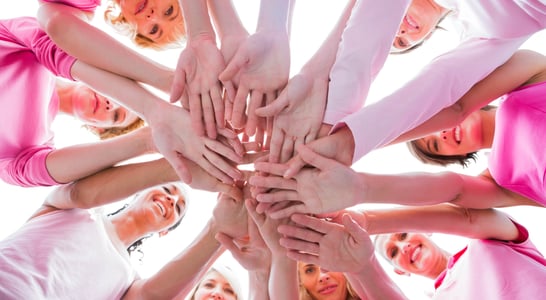
It's time to embrace and celebrate the full spectrum of human identity and expression. Let's spread love, acceptance, and understanding!
I know that one day all transgender individuals will have the freedom to be who they are, no matter what. And we won’t have to face the cruel judgments of society. We can just live our lives and be treated and respected like everyone else.
Jazz Jennings
Transgender movements have been increasing over the past few generations to help bring equality to everyone and try to overcome the biases that some people would assume about the transgender community.
While there are many different days commemorating transgender people who have suffered, International Transgender Day of Visibility focuses on more of the positive aspects of what being transgender means! This event effectively takes direct action in changing the biases of people who don’t understand what it means to be transgender.
Everyone is invited to get on board with this important cultural event!
How to Celebrate International Transgender Day of Visibility
You can celebrate this holiday anywhere and anytime, with a few of these ideas or other creative ways to get involved:
Learn More About Transgender People
Learning is one of the most meaningful ways to show support because it lowers the chance of causing harm by mistake. A helpful place to begin is with a few basic ideas:
Gender identity refers to a person’s internal sense of being a man, a woman, both, neither, or something different.
Transgender is a term often used for people whose gender identity differs from the sex they were assigned at birth.
Nonbinary is a broad term for gender identities that are not strictly male or female. Some nonbinary people consider themselves transgender, while others do not.
Sexual orientation is separate from gender identity. Being transgender does not determine someone’s sexual orientation.
Learning can also move beyond definitions and feel more personal and human. Look for first-person stories, interviews, memoir passages, and talks that describe everyday life: coming out, choosing a name, navigating school or work, finding community, dating, parenting, making art, playing sports, or simply grocery shopping without being treated like a headline.
You can visit the Trans Student Education Resource to watch educational videos and read stories about transgender people, helping you become more informed and supportive of yourself or others in the trans community. Like with any learning resource, it helps to approach the material with curiosity instead of pressure to understand everything perfectly. A few simple guidelines can make learning more respectful:
Allow transgender people to define their own experiences. There is no single “trans story.”
Avoid expecting one person to represent all transgender people.
Practice using correct names and pronouns privately if it feels unfamiliar. Like any new skill, repetition makes it easier.
Be mindful when asking personal questions. Topics such as medical care, bodies, or legal documents are often treated as public trivia, but they remain private matters.
In schools, workplaces, or clubs, learning may also involve examining policies and everyday practices. Forms that only offer “male/female,” systems that cannot update a name, dress codes based on stereotypes, or casual jokes about gender can all create barriers. International Transgender Day of Visibility is a meaningful moment to notice these issues and begin addressing them.
Speak Out Against Transphobia
Visibility becomes easier to celebrate when people feel safe. Speaking out against transphobia helps create that safety, and it can happen in many ways, from daily conversations to larger organizational changes.
One option is attending transgender clubs or community groups in your area, joining events held in honor of International Transgender Day of Visibility, or starting conversations about transphobia. During group discussions, it helps to focus on real-life effects rather than turning the topic into debate for entertainment. Practical ways to speak up include:
Interrupting misinformation when it appears in conversation. Even a simple response such as “That’s not accurate” or “Let’s avoid assumptions about someone’s gender” can help.
Questioning stereotypes about how men and women are expected to look, sound, or behave. These ideas restrict everyone, not only transgender people.
Refusing to laugh along with jokes that target transgender people. Silence can sometimes be interpreted as agreement.
Correcting misgendering when it happens, even if the transgender person is not present. A quick correction can stop a harmful habit from developing.
Take time to reflect on your own assumptions about discrimination and consider whether certain actions may contribute to the problem. Many common mistakes are subtle: using someone’s old name after being corrected, discussing a person’s transgender identity as gossip, asking intrusive questions, or treating someone as “confusing.” Helpful self-checks might include:
Do assumptions about gender influence how someone is treated before they speak?
Is curiosity being placed above someone’s privacy?
Are expectations different for transgender people than for others?
This day encourages people to discuss the challenges transgender individuals face and why those conversations matter. It offers recognition and creates space to learn about transgender history while building acceptance for a community seeking safety, understanding, and well-being.
For organizations and teams, speaking out may also involve showing support through concrete actions. Examples include clearly communicating anti-harassment policies, ensuring reporting systems are trustworthy, providing inclusive restroom access when possible, and offering staff training on respectful language. These measures are not about special treatment; they simply remove barriers that prevent full participation.
It is also important to remember that visibility is not equally safe for everyone. Some transgender people are open in every part of their lives, while others remain selective because of family, work, housing, or community pressures. Supporting transgender people can also mean respecting that reality and not pushing anyone to be more public than they wish.
Share This Day with Others
Another way to mark this day is by sharing it with others on social media using the appropriate hashtag and explaining why the day matters to you. Sharing can be thoughtful rather than performative, and it can highlight transgender voices rather than speaking over them.
Here are several ways to share responsibly:
Amplify transgender creators, writers, and educators. Share their work while giving proper credit and keeping the original message intact.
Highlight stories of transgender achievement in areas such as sports, science, public service, entertainment, craftsmanship, education, and community leadership. Visibility also means showing that transgender people contribute in many fields.
Use respectful and accurate language and avoid framing people through “before and after” narratives, which many find invasive or oversimplified.
Think about safety. Avoid “outing” someone by posting photos, tagging them, or sharing personal details without permission.
Sharing does not have to happen only online. It can involve recommending a book, proposing an inclusive policy at work, inviting a knowledgeable speaker to an event, or simply letting a transgender friend know they are respected and valued. Often, support feels strongest when it is personal and specific: “I’m glad you’re here,” “I’ll correct people when they misuse your pronouns,” or “I’ll support you during this meeting.”
International Transgender Day of Visibility Timeline
1776
Public Universal Friend Rejects Gendered Identity
After recovering from a fever in Rhode Island, the preacher later known as the Public Universal Friend began living without gendered pronouns or categories, an early documented example of a person publicly rejecting binary gender.
The New York Daily News ran the front‑page story “Ex‑GI Becomes Blonde Beauty” about Christine Jorgensen’s transition, making her the first American widely known for having sex reassignment surgery and bringing unprecedented visibility to a trans woman.
In San Francisco’s Tenderloin district, trans women and drag queens at Gene Compton’s Cafeteria fought back against routine police harassment in one of the first known collective uprisings of trans people against law enforcement in the United States.
Police raided the Stonewall Inn in New York City, triggering days of protest in which figures like Marsha P. Johnson and Sylvia Rivera, later recognized as pioneering trans women activists, played key roles and helped launch modern LGBTQ+ and trans rights movements.
Coccinelle’s Surgery Advances European Trans Visibility
French entertainer Coccinelle underwent gender confirmation surgery in Casablanca and became one of Europe’s first widely known trans women, using her celebrity to normalize trans identities in popular culture.
Navy veteran Monica Helms created the light‑blue, pink, and white transgender pride flag, which quickly became a global symbol of trans visibility, community, and pride used at marches, rallies, and cultural events around the world.
“Transgender” Enters the Oxford English Dictionary
The Oxford English Dictionary added “transgender” as a headword, reflecting growing recognition of gender identity as distinct from sexual orientation and helping to standardize language used in media, academia, and law.
History of International Transgender Day of Visibility
International Transgender Day of Visibility was founded by Rachel Crandall-Crocker, a transgender activist and licensed psychotherapist associated with Transgender Michigan.
She looked at the landscape of transgender recognition and noticed a painful imbalance: much of the public attention focused on tragedy. While it is essential to remember those lost to anti-transgender violence, it is also essential to recognize the lives that continue, with joy and complexity, right now.
Rachel Crandall-Crocker, the head of Transgender Michigan, is one of the people who asked why there isn’t a holiday that celebrates who they are? Originally, the first holiday that commemorates transgender people was Transgender Day of Remembrance, a holiday that memorializes the transgender people that the world has lost.
Transgender Day of Remembrance, observed in many communities, creates space for mourning and for naming people who were denied safety and dignity. International Transgender Day of Visibility was created as a complementary response: a day that does not ignore hardship, but refuses to let hardship be the only story.
While this holiday commemorates the transgender people who have died without any recognition or acceptance, Crandall-Crocker decided that there should be a better way to celebrate the lives of transgender people and thus founded the holiday back in 2009. The intent was clear: highlight transgender people as they are, not as caricatures or controversies, but as individuals and communities contributing to the world around them.
Since then, Trans Student Educational Resource has taken over social media management and uses it as a way to educate people about the transgender community. That educational emphasis is a natural match for a visibility-centered event. Visibility without understanding can turn into spectacle; visibility paired with education can turn into empathy, policy change, and cultural competence.
Hence, International Transgender Day of Visibility is all about giving transgender people the spotlight on this day and educating others about what it means to be transgender and to try and remove transphobia as a result. Over time, the day has become widely recognized by community organizations, schools, workplaces, and individuals who want a clear moment to celebrate transgender lives and support transgender rights.
The idea of “visibility” also has a deeper meaning. For some people, being visible is simply being able to exist without constant scrutiny. For others, visibility is the chance to be recognized for accomplishments without those accomplishments being treated as surprising. And for many, visibility is about having language for themselves at all: seeing someone like them and realizing they are not alone.
The Trans Student Educational Resource has educational videos that detail stories about trans people and how they experience life. Those stories often underscore something that outsiders may miss: being transgender is not only about transition, and transition itself is not one-size-fits-all.
Some people transition socially, such as by changing name, pronouns, clothing, or hairstyle. Some pursue legal changes, such as updating identification documents where possible. Some pursue medical care, such as hormone therapy or surgeries, and some do not. Each path is personal, shaped by health, resources, family circumstances, and individual comfort.
International Transgender Day of Visibility makes room for all of that variety. It encourages celebration without demanding a specific narrative. It recognizes transgender people who are loud and proud, those who are quietly getting through the day, those who are early in self-discovery, and those who have been living openly for decades.
In that sense, the day’s history is not only about its founding but also about the growing understanding that transgender communities are diverse, globally present, and woven into every part of society.
Violence and Workplace Barriers Remain Major Challenges for Transgender People
Transgender individuals around the world often face serious safety and economic challenges that affect daily life, health, and long-term opportunities.
Research from global organizations and academic institutions shows that transgender people experience higher levels of violence, workplace discrimination, and unstable employment compared with cisgender populations.
Understanding these patterns helps highlight the need for safer communities, equal treatment at work, and stronger protections that support dignity and well-being for everyone.
Transgender People Face Disproportionately High Rates of Violence
In the United States, transgender people experience violent victimization at more than four times the rate of cisgender people, with an estimated 86.2 violent victimizations per 1,000 transgender individuals compared with 21.7 per 1,000 cisgender people in 2017–2018.
Global agencies such as the World Health Organization and the UN Office of the High Commissioner for Human Rights note that violence against trans and gender-diverse people is widespread worldwide and often begins early in life, contributing to poorer health and social outcomes.
Employment Discrimination Against Transgender Workers Is Widespread
Survey data from the Williams Institute and related research show that about 82% of transgender employees in the United States report experiencing workplace discrimination or harassment at some point in their careers, including being fired, denied a job or promotion, or subjected to verbal or physical abuse.
Nearly half, about 47%, report such discrimination or harassment within just the past year, a rate several times higher than that reported by cisgender LGBQ coworkers.
Transgender Workers Have Higher Unemployment and Precarious Jobs
A national U.S. study of transgender and gender-diverse workers found unemployment rates of 11.0% for transgender men and 8.2% for transgender women, compared with 5.2% for cisgender men and 4.6% for cisgender women.
The same research reported that roughly a quarter of transgender and gender-diverse respondents were in precarious employment, and about 60% of transgender workers earned under $50,000 per year, reflecting a pronounced economic gap tied to discrimination.
Mental Health Disparities Are Closely Linked to Anti-Trans Stigma
Studies of transgender youth and adults consistently show much higher rates of depression, anxiety, and suicidal thoughts than among cisgender peers.
For example, data from the U.S. Youth Risk Behavior Surveillance Survey cited by mental health organizations indicate that about 69% of transgender high school students reported persistent feelings of sadness or hopelessness, and 45% seriously considered suicide, with researchers attributing these disparities largely to stigma, discrimination, and minority stress.
Gender-Affirming Care Is Associated with Better Mental Health Outcomes
Research summarized by public health scholars and LGBTQ+ mental health organizations finds that access to gender-affirming interventions, both social and medical, is linked to improved mental health for transgender people.
Studies report that youth who can use their chosen name and pronouns across settings, or who receive gender-affirming hormone therapy, show significantly lower rates of depression and suicidal ideation than those denied such support, and that regret rates after gender-affirming treatment are very low.
Two-Spirit Traditions Show Long Histories of Gender Diversity in Native Nations
Among many Indigenous peoples of North America, individuals now described with the pan-Indian term “Two-Spirit” historically held respected roles that combined social, spiritual, and sometimes occupational responsibilities.
Historical and contemporary scholarship documents Two-Spirit people as healers, knowledge keepers, mediators, and ceremonial leaders in a range of tribal nations, with their status and safety severely undermined only after European colonization imposed binary gender and Christian norms.
Global Health Agencies Recognize Structural Barriers Facing Transgender People
The World Health Organization and the United Nations describe transgender people as facing intersecting barriers to health and well-being, including criminalization, legal obstacles to gender recognition, and denial of basic services.
WHO notes that these structural barriers, combined with stigma and violence, result in very low access to appropriate health care for many trans communities worldwide and, in some groups such as trans women, dramatically elevated risks for conditions like HIV.
International Transgender Day of Visibility FAQs
What does “transgender” mean in medical and psychological terms?
Major medical and psychological associations describe a transgender person as someone whose gender identity differs from the sex they were assigned at birth.
Gender identity is understood as a deeply felt, internal sense of being male, female, a blend of both, neither, or another gender, and it may or may not align with a person’s physical characteristics or the gender others assume for them.
Professional bodies such as the American Psychological Association and the World Professional Association for Transgender Health emphasize that being transgender is a normal part of human diversity and is not itself a mental disorder. [1]
How is being transgender different from being nonbinary or gender nonconforming?
“Transgender” is an umbrella term for people whose gender identity differs from their sex assigned at birth. Some, but not all, nonbinary people consider themselves transgender.
“Nonbinary” describes people whose gender is not exclusively male or female, while “gender nonconforming” refers to people whose appearance or behavior does not match cultural expectations for men or women, regardless of their gender identity.
For example, a cisgender woman who dresses in a traditionally masculine way can be gender nonconforming but not transgender. [2]
What kinds of discrimination and health disparities do transgender people commonly face?
Research from large surveys shows that transgender people are at higher risk of harassment, violence, housing and employment discrimination, and barriers to healthcare compared with the general population.
Many report being refused medical care, misgendered, or verbally abused in medical settings and experience higher rates of depression, anxiety, and suicidal thoughts that are linked to stigma and discrimination rather than to being transgender itself.
These inequities are documented in national surveys such as the U.S. Transgender Survey and by public health agencies.
Why do many health experts consider gender‑affirming care medically necessary?
Major medical organizations, including the American Medical Association and the Endocrine Society, state that gender‑affirming care can be medically necessary for transgender people who experience gender dysphoria.
This care may include social transition, counseling, hormone therapy, and, for some, surgical interventions. Evidence indicates that when provided according to established clinical guidelines, gender‑affirming care is associated with improved mental health, reduced suicidal ideation, and better overall quality of life. [3]
Is it appropriate to ask a transgender person about their medical history or past name?
Most advocacy and professional organizations advise that questions about a transgender person’s body, medical history, or previous name are private and generally inappropriate in everyday social or work settings.
Such questions can feel invasive or unsafe and may “out” someone without their consent. Unless there is a clear, necessary reason in a clinical or legal context, it is more respectful to focus on using the person’s current name and pronouns and to let them decide what to share about their history.
What are some practical ways to be an effective ally to transgender people year‑round?
Effective allyship typically involves listening to transgender people, using their chosen names and pronouns, challenging transphobic language or behavior, and supporting policies that protect them from discrimination in areas such as employment, housing, education, and healthcare.
Organizations can update forms and records to include correct names and genders, provide training on gender diversity, and ensure facilities like restrooms are inclusive. Allies are also encouraged to educate themselves rather than relying on transgender people to provide constant explanations.
How do different cultures understand gender beyond a simple male–female binary?
Anthropologists and historians have documented many cultures that recognize more than two genders. Examples include Two‑Spirit identities among some Indigenous peoples of North America, hijra communities in South Asia, and māhū in Native Hawaiian culture.
While these identities are distinct from contemporary Western concepts of “transgender,” they show that gender diversity has existed across time and place and is shaped by local social, spiritual, and cultural traditions.
This day uses the color pink to raise awareness and fight against bullying, discrimination, homophobia, transphobia, and transmisogyny across the world.
Share random acts of compassion on World Kindness Day by helping strangers, giving back to the community or teaching your children the value of niceness.
Consider your own agency and actions as a human, and how you might benefit yourself and others by striving to do good, be kind, and participate in society.