
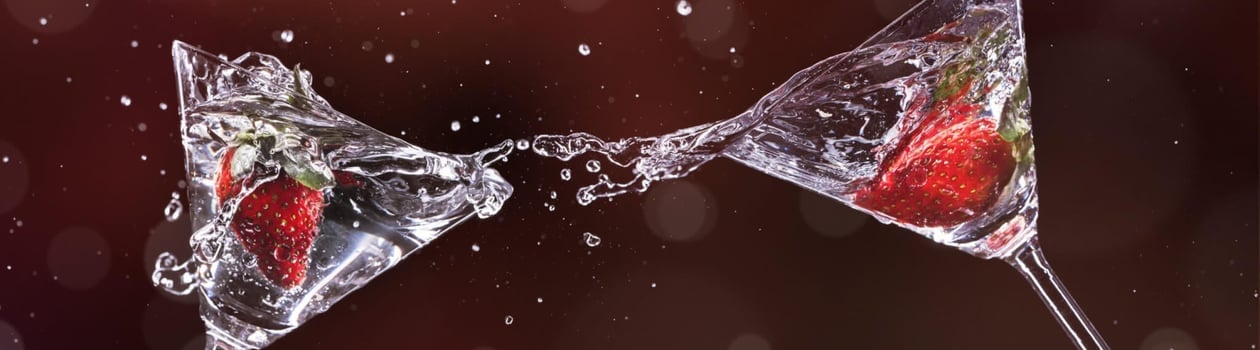
Whether you enjoy your Martini shaken, not stirred, like James Bond, with an olive or as part of a more extravagant cocktail, World Martini Day is a great excuse to celebrate with a glass.
Strictly for adults, this special day celebrates all things Martini, and is an ideal opportunity to research and try out different cocktail recipes you might not have sampled before.
Martini has been enjoyed as an alcoholic gin and vermouth cocktail for many decades and is now one of the most famous cocktails in the world.
It can be served in a variety of ways, such as with ice (on the rocks), garnished with an olive, or with a twist of lemon. Martini is served in bars around the world and is easy to make and enjoy at home. A great idea for celebrating World Martini Day is to have a group of friends round to enjoy the drink.
How to Celebrate World Martini Day
Try Making the Perfect Martini
Make a martini as part of an at-home cocktail party and ask everyone to bring the ingredients to make their favorite cocktail. Even if it tastes dreadful, you will all have fun playing at being Tom Cruise in Cocktail, shaking your shakers, and getting drunk at the same time!
If you are an expert at making the classic one, why not experiment to create a new take on it?
Go Out for a Martini
Call your best friend, get dressed up in your glad rags, and hit the bars. Visit a few and order a Martini each one. Which one makes the best? Rate them out of ten and let them know your thoughts! Bonus points to any bar with a piano and a lounge singer to add to the atmosphere.
Why Do We Love Martini Day So Much?
Have you ever tasted one? That should answer your question! However, if you are scratching your head at why such a simple drink has a day dedicated to it every single year, the following should help:
Simplicity
Cocktails can be complicated. A dash of this; a shot of that; a sprig of this; a squirt of that. Then there is the shaking it around and the pouring it out and the garnishing. They can be exhausting to think about! However, the Martini is about as simple as it gets.
Two ingredients, a simple garnish. Drink. It is why it is the ultimate in class and sophistication. It sings for itself without fancy gimmicks.
Enhanced Flavors
Gin is rapidly becoming one of the most popular alcoholic drinks. While many people enjoy it paired with a decent tonic, one of the best ways of bringing out the flavor of the juniper berries is by adding it to a shot of crisp, cold vermouth.
Of course, you can substitute the gin for vodka if you really don’t like gin.
James Bond Drinks It
Let’s face it, James Bond is probably one of the coolest men to have ever walked the planet, so if a Martini (shake, not stirred, of course!) is good enough for him, it is good enough for us!
Uncomplicated
With its simple two-ingredient recipe, you would be incredibly lucky to be landed with a lousy Martini. We would go as far as to say that anyone who makes a bad Martini probably could not be trusted to pour a glass of water – it really is that easy to make.
Readily Available
Unlike fancy modern cocktails dreamt up by individual bars, the Martini is a worldwide classic, so almost anywhere you can go, you should be able to get hold of one.
What Do We Know About Martini?
The first known recipe in print for a cocktail called the “Martinez” appeared in an 1887 bartending manual published in San Francisco.
Historians, however, can’t seem to agree on whether the drink actually originally originated on the West Coast or whether they just jumped on it.
In 1911, a bartender named Martini di Arma di Taggia from New York City started serving a rather fancy cocktail made with gin, vermouth, orange bitters and a garnish of olives, heralding the birth of the infamous Martini as we know of it.
Since then, the socialites of Manhattan have become synonymous with the boozy beverage.
The Martini has always been served in a unique glass – the Martini glass (original, huh?). It is one of the most iconic glasses on the planet, conjuring up images of upper-class Manhatten ladies in dark, smoky bars, seductively sipping from a glass with a long, thin stem and a conical top.
The glass wasn’t unique – its lookalike sister is the cocktail glass, and they are often confused for one another. It is not hard to see why – the cocktail glass is a little smaller, a little more rounded, and has a slightly narrower rim.
While they are both lush to look at, the reasons behind the design are more practical. The long stem and separated bowl mean that the cocktail is not warmed up too much by the hands of the drinker as there is no ice, meaning the drink stays chilled for longer. Let’s face it; no one likes a lukewarm martini!
Famous Fans of Martini
The Martini has it’s fair share of famous fans, both fictional and real. These include:
- James Bond (shaken, not stirred!)
- John D. Rockefeller (apparently the first guy to drink one, although as a supposed teetotaller, this one needs to be taken with a pinch of salt)
- Humphrey Bogart (his last words were reported to be “I should never have switched from Scotch to Martinis”)
- Ernest Hemingway
- Clark Gable
- Franklin D. Roosevelt
How do you make the perfect Martini?
- Mix the spirits
Pour 55 ml of gin and 15 ml of dry vermouth into a mixing glass with some ice cubes. - Stir well
- Strain into a chilled Martini cocktail glass
- Garnish
Squeeze the oil from lemon peel onto the drink, or garnish with an olive or two.
If you want to serve it ‘on the rocks’, mix the ingredients as above and pour over ice cubes in a standard glass tumbler and garnish as above.
If you have a taste for the exotic or want to be a bit different, there are various other takes on the classic recipe, including:
- A Dirty Martini: has a splash of olive juice or olive brine and is typically garnished with an olive. Perfect if you like olives, terrible if you don’t.
- A Perfect Martini: uses equal amounts of sweet and dry vermouth.
Don’t be fooled by peach martinis, espresso martinis, and the like — the only thing they have in common with the real thing is that they are served in the same glass.
World Martini Day Timeline
First Printed “Martini” Cocktail
Harry Johnson’s New and Improved Bartender’s Manual includes one of the earliest known recipes titled “Martini,” made with Old Tom gin, vermouth, bitters, curaçao, and lemon peel, marking the drink’s emergence from sweeter predecessors like the Martinez.
Early Dry Martini Appears in Print
A 1900 edition of Harry Johnson’s Bartender’s Manual records a recipe combining Plymouth gin with dry French vermouth and orange bitters, often cited by historians as an early example of a true dry martini.
Dry Martini Popularized in Europe
By the early 20th century, bartenders such as Frank Newman in Paris are serving martinis made with dry gin and dry vermouth, helping to spread the drier, more streamlined version of the cocktail beyond the United States.
Prohibition Shapes Martini Culture
During U.S. Prohibition, cocktails like the martini are mixed in clandestine speakeasies, where variable-quality spirits and scarce vermouth encourage stronger, drier formulations that influence post‑Prohibition martini preferences.
Martini Glass Shown at Paris Exhibition
A sharply conical stemmed glass recognizable as a martini glass is displayed at the 1925 International Exhibition of Modern Decorative and Industrial Arts in Paris, helping cement the V‑shaped glass as a symbol of modern cocktail elegance.
James Bond Orders a Vesper Martini
Ian Fleming’s novel Casino Royale introduces the Vesper, a large, gin‑and‑vodka martini variation ordered by James Bond, which, along with the later “shaken, not stirred” line, powerfully links martinis with suave spy culture.
Ultra‑Dry Martini Era
By the post‑World War II decades, American drinkers embrace extra‑dry martinis with ever‑shrinking amounts of vermouth, creating the mid‑century stereotype of the martini as an almost straight gin (or vodka) symbol of sophistication.
Facts About World Martini Day
Juniper “Berries” Are Not Really Berries
The signature flavor in a gin martini comes from juniper “berries,” but botanically they are fleshy seed cones produced by coniferous juniper shrubs, most often Juniperus communis.
These cones are rich in aromatic oils that give gin its piney, resinous character, which then dominates the flavor of a classic martini.
Why Gin Must Taste of Juniper
Under European Union spirit regulations, gin must be a juniper‑flavored spirit, meaning the spirit is produced with juniper berries and other botanicals so that juniper is clearly present in the aroma and taste.
This legal requirement is what keeps a traditional martini’s base spirit distinct from vodka, even when modern gins experiment with citrus, floral, or spicy notes.
How Other Botanicals Shape a Martini
While juniper defines gin, most gins used in martinis also rely on botanicals like coriander seed, citrus peels, angelica root, orris root, and cassia bark.
Coriander contributes lemony, spicy notes, citrus peels add bright limonene-driven aromatics, and roots such as angelica and orris act as “fixatives” that help stabilize and round out the bouquet in a stirred martini.
The Martini’s Roots in the Martinez Cocktail
Many drinks historians point to the 19th‑century Martinez as a forerunner of the martini.
The Martinez combined gin (often Old Tom), sweet vermouth, maraschino liqueur, and bitters, and over time bartenders dried the drink out by dropping the liqueur, switching to dry vermouth, and increasing the proportion of gin, gradually creating the drier martini known today.
From Sweet to Bone‑Dry: The Recipe Got Drier Over Time
Early martinis around the late 1800s were relatively sweet, sometimes using equal parts gin and vermouth with added sugar or liqueur.
By the mid‑20th century, popular recipes had shifted toward very dry proportions such as 3:1 or even more gin‑heavy ratios, reflecting a cultural fashion for stronger, less vermouth‑forward martinis in American bars and restaurants.
The Three‑Martini Lunch and Business Culture
In mid‑20th‑century America, the phrase “three‑martini lunch” became shorthand for a long, alcohol‑heavy business meal where executives conducted deals over multiple martinis.
The practice became controversial enough that it was cited in U.S. political debates over whether lavish business lunches should remain tax‑deductible, turning the martini into a symbol of corporate excess as well as sophistication.
Why Stirring and Temperature Matter So Much
Stirring a martini with ice both chills and dilutes the drink, typically adding enough melted water to reduce the alcohol strength by roughly 15–25 percent.
Studies on ethanol and aroma show that this dilution and the very cold serving temperature soften alcohol burn while muting some aromatics at first; as the drink slowly warms in the glass, more of the gin’s juniper, citrus, and herbal notes volatilize and the martini’s flavor profile becomes more expressive.
World Martini Day FAQs


You may also like
World Gin Day
Raise a glass to World Gin Day, celebrating juniper spirits with tastings, cocktail events, history, and creative ways to enjoy gin responsibly worldwide.
- Australia
- Canada
- United Kingdom
- and 1 more
World Vermouth Day
Aromas of botanicals, a hint of sweetness, and a dash of bitterness create the perfect cocktail ingredient. Cheers to vermouth!
- France
- Italy
- Spain
- and 1 more
World Passion Fruit Martini Day
Celebrate World Passion Fruit Martini Day by savoring this iconic tropical cocktail, exploring its history, and mixing creative variations and mocktails at home.
- Brazil
- International
- United Kingdom
- and 1 more

Ginuary
Start the year out with a dedication to a rather unique and versatile spirit that is sophisticated and also delicious.
National days and holidays on June 20

National Dog Dad Day
Celebrate National Dog Dad Day by honoring the bond between men and their dogs with treats, playdates, photos, and giving back to pups in need.
- Australia
- Canada
- United Kingdom
- and 1 more

International Surfing Day
Hit the waves on International Surfing Day, or volunteer or donate to help clean up the oceans and keep them clean and surf-friendly for years to come.
- Australia
- Brazil
- France
- and 2 more

American Eagle Day
Show your national pride on American Eagle Day by wearing eagle-adorned clothing, or donating to a cause to help protect and preserve these majestic creatures.
- United States
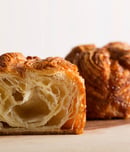
National Kouign Amann Day
Kouign Amann is a pastry-like cake made with an insane amount of butter—and therefore is incredibly delicious. Visit a bakery or try making your own at home.
- Canada
- France
- United States
Seize Every Day
Join free for personalised recommendations, email reminders and exclusive guides. Never miss a day.