Kansas Day
Kansas Day marks the anniversary of Kansas becoming part of the United States—a moment that not only shaped the identity of the state, but also played a pivotal role in the nation’s ongoing story.
This spirited day is embraced by Kansans and admirers alike as an opportunity to reflect on the region’s remarkable past, celebrate its present, and look forward to its future.
From schoolchildren reciting state facts to families participating in community festivities, Kansas Day brings people together to recognize the Sunflower State’s enduring legacy, robust values, and generous heartland spirit.
A day woven with stories of resilience, hard-fought progress, and natural beauty, Kansas Day is more than just a birthday for the state. It’s a celebration of everything that Kansas stands for—freedom, community, and an ongoing connection to the prairies that stretch beneath its big, open sky.
How to Celebrate Kansas Day
Kansas Day offers a wonderful opportunity to explore the state’s rich culture and traditions. Here are several engaging ways to celebrate this special day.
Dive into Local History
Immerse yourself in Kansas’s compelling narrative by visiting local museums and heritage sites that capture the heart and soul of the state.
Whether it’s the C.W. Parker Carousel Museum in Leavenworth, brimming with antique rides and tales from the past, or the Flint Hills Discovery Center in Manhattan, where immersive exhibits showcase Kansas’s tallgrass prairie, these destinations make history come alive for visitors of every age.
State capitol buildings, historic forts, and local heritage centers often offer open houses or guided tours in honor of the day.
Museums may display special exhibits highlighting pivotal moments in Kansas history, such as the state’s role as a battleground in the fight over slavery during the Bleeding Kansas era, or the contributions of Indigenous peoples and settlers.
Libraries participate by hosting lectures, storytelling sessions, or history-focused readings for kids and adults alike.
For a hands-on experience, try exploring local landmarks tied to some of Kansas’s most legendary events. Sites like the Brown v. Board of Education National Historic Site in Topeka or the Fort Scott National Historic Site provide deeper context for the state’s social and cultural milestones.
Enjoy Nature’s Beauty
There’s no better time to embrace the sweeping landscapes that define Kansas’s sense of place. With its vast prairies, rugged hills, and sun-kissed fields, Kansas invites residents and visitors to explore the great outdoors.
Lace up your hiking shoes for a trek through Tallgrass Prairie National Preserve, where you can observe native grasses undulating in the wind and spot wildlife from buffalo to meadowlarks.
Kansas’s state parks, like Clinton State Park or Mushroom Rock State Park, offer nature trails, picnic areas, and wide-open spaces perfect for family outings or peaceful solitude.
For those who prefer a gentle stroll, many communities maintain scenic walking paths that wind through restored prairies or alongside shimmering lakeshores.
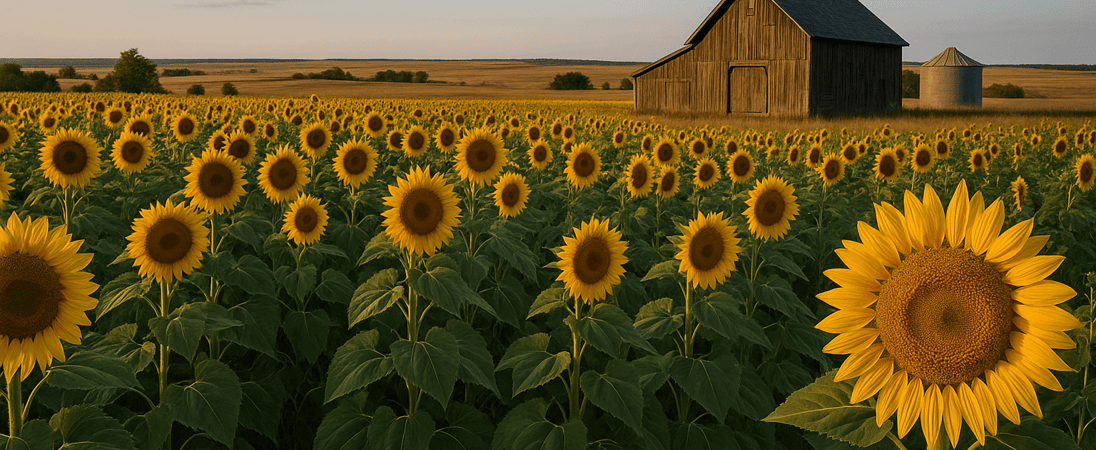
Bring a camera to capture the legendary Kansas sky, especially during sunrise or sunset. With the state’s official flower—the sunflower—often blooming in wild patches, the scenery is nothing short of iconic.
Birdwatching, fishing, or simply enjoying a picnic surrounded by wildflowers are all delightful ways to slow down and savor the state’s natural splendor.
Host a Kansas-Themed Gathering
Transform your home or local community space into a haven of Kansas pride with a gathering that highlights state traditions, foods, and decor.
Adorn tables with miniature sunflowers, display the Kansas flag or blue and gold streamers, and invite guests to dress in something yellow or blue—the state colors.
Menu planning can be a delightful dive into regional tastes and culinary history. Feature classic Kansas foods such as bierocks (savory meat-filled rolls with German-Russian roots), barbecue, sweet corn, or kolaches. For dessert, whip up a batch of sugar cookies shaped like sunflowers or bake a pie using local fruit.
Set the mood with a playlist of music from Kansas artists or featuring folk tunes connected to the region’s heritage. Incorporate elements like storytelling, trivia contests about state history, or a “Kansas facts” scavenger hunt for children.
Kids can share homemade crafts inspired by prairie life, such as pressed wildflower bookmarks or painted rock animals.
Support Local Artisans
Celebrate the creative spirit of Kansas by supporting local crafters, artists, and makers. Many communities host special art fairs, farmers’ markets, or pop-up shops around Kansas Day, showcasing everything from hand-thrown pottery to intricate quilts and artisan foods.
Purchasing directly from Kansas artisans not only supports the heartbeat of the community but also provides a personal connection to the state’s heritage.
Many craftspeople draw inspiration from the prairies, plains, and small-town life, infusing their work with motifs like buffalo, wheat, or twirling sunflowers. Washington, Lindsborg, and Abilene are just a few of the towns known for vibrant arts scenes where visitors can meet artists and take home one-of-a-kind treasures.
For those unable to visit in person, seek out online marketplaces featuring Kansas-made goods, or participate in virtual art workshops to learn a new skill from a local artisan.
Participate in Community Events
Across the state, Kansas Day brings together communities through a variety of educational and cultural events. Local libraries may host author readings, poetry slams, or book clubs centered on influential Kansas writers such as Langston Hughes or William Allen White.
Historical societies might organize reenactments, living history demonstrations, or walking tours focusing on the state’s colorful past.
Public schools are at the heart of many Kansas Day traditions, with classrooms transformed into mini-museums of state pride.
Students create projects about the state’s geography, pioneer life, agriculture, and notable Kansans like Amelia Earhart or President Dwight D. Eisenhower. Talent shows might feature performances of “Home on the Range” or other state songs.
Civic groups and museums sometimes hold parades, festivals, or themed races that draw together neighbors of all ages.
Educational workshops delve into prairie ecology, local wildlife, or the symbolism of the Kansas state seal—helping to foster a strong sense of place for future generations.
Kansas Day Timeline
May 30, 1854
Kansas-Nebraska Act Passed
The U.S. Congress passes the Kansas-Nebraska Act, opening the Kansas Territory to settlement and allowing settlers to decide on permitting slavery, igniting national controversy.[1]
1855–1861
“Bleeding Kansas” Conflict
A series of violent clashes erupts between pro-slavery and anti-slavery settlers in Kansas, highlighting the nation’s deep divisions before the Civil War.[2]
January 29, 1861
Kansas Becomes a State
Kansas is admitted to the Union as the 34th state, entering as a free state and contributing to the growing tensions leading up to the Civil War.[3]
1881
Adoption of the State Flag Design
Kansas adopts its state flag design, featuring the state seal and sunflower, to represent its unique identity and heritage.
1927
Completion of the Kansas State Capitol
The Kansas State Capitol building in Topeka is completed, marking a significant symbol of Kansas’s governance and state pride.
History of Kansas Day
The story of Kansas Day begins in a single classroom, but it quickly grew into a treasured annual tradition. The inaugural celebration took place in Paola, Kansas, in 1877, sparked by a history lesson that left a group of curious students intrigued about their state’s entry into the Union.
Their teacher, Alexander LeGrande Copley, was moved by their interest and encouraged them to dig deeper into the unique story of Kansas.
At the time, Kansas’s role in American history was anything but ordinary. Long before statehood, its fertile plains had already played host to cultures stretching back thousands of years, including vibrant Indigenous tribes such as the Kansa (from which the state draws its name), Osage, Pawnee, and others.
In the 19th century, Kansas became a flashpoint for national debate, as its status as a free or slave state ignited fierce conflict during the period known as Bleeding Kansas.
The state’s eventual decision to join the Union as a free state in 1861 was the culmination of passionate advocacy and struggle for equality—an outcome that resonated far beyond its own borders.
Inspired by these stories, Copley’s students set aside time each year to delve into Kansas’s geography, historical landmarks, and influential figures.
Other educators quickly saw the value in this local celebration, and Kansas Day began to ripple outward, with more schools dedicating part of the year to exploring state heritage through maps, songs, crafts, and storytelling.
Early activities reflected a hands-on approach to learning: students crafted state flags, composed poems, and participated in plays about Kansas settlers, Native peoples, and the historic events that shaped the region.
As the years rolled by, Kansas Day became a unifying observance—not just for schools, but for towns and families statewide.
Governors and civic leaders joined teachers in encouraging annual lessons focused on state symbols, famous Kansans, and dramatic turning points such as the abolition of slavery, the building of the transcontinental railroad, or the Dust Bowl migrations.
Teachers used the day to instill both pride and critical thinking, challenging students to imagine what the future of their state could be.
Kansas’s symbolic motifs—like the sunflower (the state flower), the Western meadowlark (the state bird), and the mighty American bison—took on particular significance in art projects, parades, and classroom decorations.
The state flag itself, with its bold blue field and golden sunflower, became a centerpiece of Kansas Day festivities as both a symbol of home and a tribute to nature’s enduring resilience.
Celebrated with gusto each year, Kansas Day continues to offer a poignant reminder of where Kansans have come from and all they have overcome.
The tradition that began with a few inspired students and a supportive teacher now knits together communities, inspires pride, and helps pass down history in ways that are personal and profound.
For many, it serves as an annual touchstone—a chance to reflect on the past, honor the present, and nurture hope for a bright Kansas future.
Facts About Kansas
Kansas is a state defined by powerful contrasts—vast natural landscapes, deep Indigenous roots, pivotal moments in U.S. history, and a leading role in modern renewable energy. From rare prairie ecosystems to freedom movements and pre–Civil War conflict, Kansas has influenced the nation far beyond its borders.
-
Tallgrass Prairie Ecosystem
Kansas is home to the largest remaining expanse of tallgrass prairie in the world, known as the Flint Hills. This ecosystem once covered 170 million acres across North America but has mostly disappeared due to agriculture and development, making the Flint Hills a significant remnant for native plants and wildlife.
-
Role in the Underground Railroad
During the mid-19th century, Kansas played a key role in the Underground Railroad, serving as an important route for enslaved people seeking freedom. Many abolitionists settled in Kansas, and safe houses known as “stations” were set up throughout the state to aid escapees on their journey north.
-
Wind Energy Leader
Kansas is one of the top U.S. states for wind energy production. Its vast open spaces and strong winds make it ideal for wind farms, which contributed over 40% of the state’s electricity generation in 2022—one of the highest rates in the nation.
-
Native American Heritage
Before European settlement, Kansas was inhabited by several Native American tribes, including the Kansa (Kaw), Osage, Pawnee, and Wichita. The state’s name itself is derived from the Kansa tribe, whose name is said to mean “people of the south wind.”
-
“Bleeding Kansas” and Civil War Prelude
The term “Bleeding Kansas” describes a period of violent conflict in the 1850s over whether Kansas would enter the Union as a free or slave state. This turmoil was a key precursor to the American Civil War, attracting national attention and influencing the nation’s attitudes toward slavery and civil rights.
Kansas Day FAQs
What are Kansas’s major contributions to American history?
Kansas played a significant role in the lead-up to the Civil War, especially through the violent conflict known as “Bleeding Kansas” over whether the territory would allow slavery. The state also contributed to westward expansion and agricultural innovation, and its prairies are important in environmental and conservation history. [1]
How has Kansas influenced agricultural practices in the United States?
Kansas has been a leader in wheat production and is often called “the Wheat State” due to its significant role in developing hard winter wheat varieties crucial to global food supplies. Kansas farmers have also pioneered dryland farming and sustainable agriculture practices suited to the Great Plains. [2]
What unique natural features are found in Kansas that shape its identity?
Kansas is known for its vast tallgrass prairies, such as those protected in the Flint Hills, and is home to unique geological formations like Monument Rocks and the Smoky Hills. These landscapes support diverse plant and animal life and reflect the state’s deep connection to the land. [3]
How do schools typically teach students about Kansas’s heritage?
Schools often incorporate lessons on state symbols, local history, historic figures, and geography through interactive activities, projects, and field trips to museums or historic sites, fostering civic pride and awareness of Kansas’s heritage.
Are there common misconceptions about Kansas’s history or culture?
A common misconception is that Kansas is entirely flat and lacks cultural diversity; in reality, it features a variety of landscapes and a rich history influenced by Native American heritage, immigration, and its role in pivotal national events like the abolitionist movement.
Also on ...
View all holidays
National Puzzle Day
From jigsaws to Rubik’s Cubes, crosswords to riddles, give your brain a rewarding workout or try inventing a brand new puzzle of your own.



We think you may also like...

Mayflower Day
A voyage across the Atlantic, a new land to call home, and the beginning of a story that would shape a nation.

Sudan National Day
Exploring the resilience and rich cultural heritage of Sudanese communities sheds light on their journey and challenges.