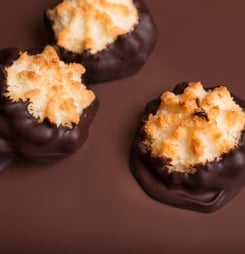

Macaroons are easily one of a selection of beloved cookies, and why wouldn’t they be? They offer a deliciously crunchy, coconut-y taste and are actually fairly simple to make!
While the ingredients for macaroons have a history that can be traced back to Italy and France, there’s far more to these cookies than one nation can provide, which is why there seems to be a wide range of regional variations that have popped up all over the world.
National Macaroon Day is a great opportunity to give them all a try, whether it’s the dark spiced coconut flavor from the Dominican Republic or the thick velvety chocolate of the Scottish Macaroon, everyone who enjoys coconut is sure to find one they will really love!
How to Celebrate National Macaroon Day
Days that are meant to celebrate cookies are some of the best days of the calendar year. And National Macaroon Day is no exception! Have tons of fun and enjoy the day by celebrating with some of these delightful and delicious ideas:
Eat Some Macaroons
The best way to celebrate National Macaroon Day is to find and eat a favorite variety of macaroon. If you’re not familiar with macaroons, we strongly encourage you to go out and pick up a dozen varieties and share them with family and friends while you expand your own palette.
Of course, for those who want to keep them all to themselves, certainly no one will be casting any blame!
Almost all macaroons are made with coconut, but some other types of favorite varieties are made with cashews blended in. Other styles might be dipped in or drizzled with chocolate. Now is the time to decide about which is the best kind!
Try Making Macaroons
For those who are feeling adventurous or at least from a culinary standpoint, why not try making a batch or two of macaroons in the kitchen at home?
There are some great recipes online that should be fairly easy to follow, and it is certainly possible to find recipes for some of the most interesting and exciting variations!
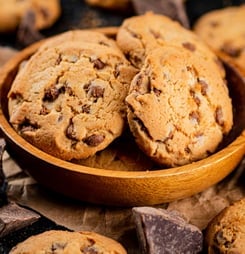
Other recipes that will have that mouth watering include dark chocolate amaretto macaroons, vegan macaroons, and chocolate chip macaroons. Experiment with dark, milk, or white chocolate for kicks. Which one sounds the most appealing?
Host a National Macaroon Day Gathering
A great idea for celebrating National Macaroon Day is to get your friends around and enjoy a delicious afternoon tea treat.
Afternoon tea has become very popular as of late, with themed afternoon teas offered in hotels, restaurants, and cafes all around the world.
In celebration of this day, it might be fun to host an afternoon tea event, with macaroons being the star of the show, of course. Invite some friends over and offer an array of tea choices to go along with some homemade or bakery made coconut macaroons.
Host a Macaroon Bake-off Event
Another fun idea for paying honor to National Macaroon Day might be to host a macaroon cook-off with some bakeworthy friends. It can be like a mini version of a Bake Off show!
Everyone invited to the party can all try to make their best macaroon recipe. At the end, the fun lies in tasting each other’s macaroons and then ranking them from 1 to 10.
The person with the highest score can be declared the winner. It might be extra nice to supply the winner with a nice treat as a prize. This is a great way to spend National Macaroon Day and have some fun with the people that you love.
Learn About National Macaroon Day
National Macaroon Day is a celebration of these sweet, little treats. For those who have never had a macaroon before, it’s about time because they are seriously missing out!
The origin of macaroons dates back to Italian or French monasteries. The name comes from the Italian word ‘maccarone,’ meaning paste.
In honor of National Macaroon Day, it is important to note that there are two cookies with extremely similar names that sometimes get mixed up. This day is about the macaroon, a coconut based drop cookie that is fairly simple to make.
Another cookie that tastes and looks very different but sounds similar is the macaron (*note there is only one “o” in this one), a French cookie made with a base of almond flour in a wide range of flavors, but it can be very fussy to make. Find out more about this little sandwich cookie on National Macaron Day.
History of National Macaroon Day
The history of National Macaroon Day starts in a place you might not imagine, an Italian monastery. You see, it was from this monastery that the macaroon recipe originated, eventually being brought to France and presented to the wife of King Henry the II, Catherine de Medici.
For those who don’t know, Catherine de Medici held a position that was perhaps even more enviable than being the wife of a King. She was the daughter of the Medici family, one of the two powerful banking families of their time (the other being the Fuggers).
With such powerful family connections, she could have had her choice of any confection in the world at the time, but it was the macaroon she fell in love with.
Later in the macaroon’s history came a bit of divine providence as two Benedictine nuns fled to Nancy, France, fleeing the persecution that was rife during the Revolution. While they were hiding out they decided they needed to have a way to support themselves and became renowned as the “Macaroon Sisters” for their daily delivery of delicious cookies.
Coconut macaroons also have a history that can be traced through the culture of Italian Jewish people, due to the fact that they don’t have any flour or leavening, making it a perfect food for eating during the Passover celebration.
Imagine kitchens across the country humming with the scent of chocolate, bakers dipping macaroons into rivers of melted chocolate, and folks everywhere taking that first blissful bite!
National Macaroon Day honors this ancient history and delicious tradition by encouraging you to go out and indulge in your favorite variety, and perhaps explore a few more!
Facts About National Macaroon Day
Macaroons as a Passover Staple
Coconut macaroons became a classic Passover dessert in Ashkenazi Jewish communities because they contain no wheat flour or leavening, both of which are prohibited during the holiday.
By the late 19th and early 20th centuries in the United States, commercial bakeries such as Manischewitz and Streit’s were mass-producing canned coconut macaroons specifically for Passover, helping cement their association with the festival and with kosher baking more broadly.
From Almond Paste to Coconut Treat
Historically, macaroons evolved from Italian almond paste cookies known as “maccarone” or “amaretti,” which were made with ground almonds, sugar, and egg whites.
Coconut only entered the picture in the 19th century, when newly available desiccated coconut in Europe and North America allowed bakers to substitute the more stable and less expensive coconut for almonds, creating the chewy coconut macaroon that is widely recognized today.
Monastery Kitchens and Fundraising Cookies
Early versions of almond macaroons were produced in Italian monastic and convent kitchens, where nuns and monks baked sweets both for their own consumption and to sell as a source of income.
In France, particularly in towns like Nancy, religious communities became famous for their macaroons, and by the 17th and 18th centuries some convents were known almost as much for their cookies as for their spiritual life.
The “Macaroon Sisters” of Nancy
In the late 18th century, two Benedictine nuns in Nancy, France, reportedly began selling macaroons to support themselves after religious orders were dissolved during the French Revolution.
Their cookies, baked without flour and rich with almonds, became so popular that they earned the nickname “Les Sœurs Macarons,” and the town of Nancy still celebrates this legacy with protected “Macaron de Nancy” specialties.
Scottish Macaroon’s Unusual Potato Center
The Scottish macaroon bar is a regional spin on the macaroon concept that uses a sweet fondant-like center made from mashed potato and powdered sugar, coated in chocolate and toasted coconut.
This thrift-oriented recipe emerged in the early 20th century as a clever way to use leftover potatoes and inexpensive ingredients, and it remains a nostalgic confection distinct from coconut drop macaroons found elsewhere.
Coconut Macaroons in Caribbean Street Food Culture
In parts of the Caribbean, including the Dominican Republic, Trinidad and Tobago, and Jamaica, coconut macaroons have developed into street treats often called cocadas or coconut drops.
These sweets typically combine grated coconut with sugar and spices such as cinnamon or ginger, sometimes tinted with bright colors, and are sold by vendors as an inexpensive way to showcase the region’s abundant coconuts.
Desiccated Coconut and Global Baking
The spread of coconut macaroons in Europe and North America was closely tied to the industrial production of desiccated coconut in the 19th century, which made coconut shelf-stable and shippable from tropical regions.
British and American manufacturers promoted desiccated coconut as a modern baking ingredient, and cookbooks of the late 1800s began featuring coconut macaroons as a fashionable way for home bakers to use this imported product.