Maple Syrup Saturday
Have you ever wanted to see how maple syrup goes from tree to table? Maple Syrup Saturday offers just that, starting with a cozy breakfast of pancakes topped with fresh, local syrup.
This family-friendly event allows visitors to walk through the syrup-making process. Along the way, participants can “adopt” a bucket, letting them collect sap from a tapped maple tree—making nature’s sweetness personal.
As the day wraps up, guests enjoy maple-infused treats like syrup-drizzled ice cream, blending learning with deliciousness. The event supports conservation efforts at nature preserves like Wisconsin’s Bubolz, making it a celebration with purpose.
How to Celebrate Maple Syrup Saturday
Looking to celebrate Maple Syrup Saturday in delicious style? Here are some fun ways to make the day memorable and maple-filled.
Pancake Feast at Home
Kick off the morning with a homemade pancake feast. Stack them high and drizzle with real maple syrup, maybe even adding a sprinkle of powdered sugar or a handful of berries.
For a twist, try maple syrup over waffles or French toast. The rich, caramel notes of maple add a delicious start to your day.
Host a Maple Syrup Tasting
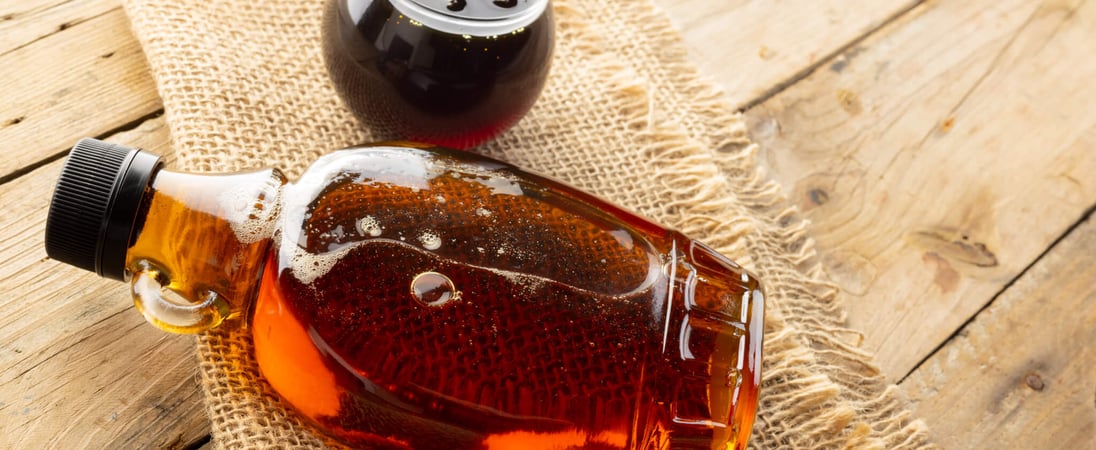
Why not hold a maple syrup tasting? Pick up different varieties, like light, amber, and dark syrups, and sample each.
Notice how their flavors range from sweet and buttery to bold and caramelized. Try them over vanilla ice cream, yogurt, or even in your coffee for a unique treat.
Tap into Nature
Find a local nature preserve or park hosting a maple syrup tapping demo. Many offer guided tours of the syrup-making process, from tree tapping to boiling sap down to syrup.
These demos often feature tastings, so you get a firsthand look and taste of maple magic.
Adopt a Bucket
Join the fun by adopting a sap bucket at a local maple syrup farm or festival. Some places let visitors attach a personalized bucket to a tree for the season.
It’s a great hands-on activity, perfect for families wanting to learn about the syrup-making process up close.
Make Maple Treats
End the day by creating maple-inspired treats in your kitchen. Try baking cookies or bars that feature maple as the star flavor.
Maple syrup also makes a unique addition to salad dressings or glazes for meats, bringing a touch of sweetness and depth to your meals.
History of Maple Syrup Saturday
Maple Syrup Saturday began around the early 2000s, initiated by the Bubolz Nature Preserve in Appleton, Wisconsin. With a mission to celebrate the start of maple syrup season, this event invites the public to learn about the maple syrup-making process firsthand.
The day offers more than just syrup tastings. Participants can join a pancake breakfast served with locally made syrup and embark on a tour of the preserve’s “Sugar Shack,” where the maple magic happens.
An especially popular activity, “Adopt-A-Bucket” allows visitors to adopt a tree and collect sap, creating a hands-on experience that deepens the connection with nature.
Held annually, Maple Syrup Saturday has grown in popularity, reflecting a renewed interest in local food traditions and sustainable practices.
It now serves as a key event for the Bubolz Preserve, both as an educational platform and a fundraiser that helps sustain its year-round programs. Each year, visitors are encouraged to join in the celebration, making lasting memories while learning about this unique process.
Through this event, the preserve shares a centuries-old tradition in a modern setting, allowing families to experience nature and the steps involved in creating maple syrup. As the event continues, it reinforces a commitment to both nature and community, making Maple Syrup Saturday a spring tradition worth celebrating.
Maple Syrup Saturday FAQs
Did maple syrup really start with Native Americans?
Yes! Native American tribes were the first to tap trees for sap. The Iroquois, for instance, would make small V-shaped cuts in maple trees to gather sap.
They boiled it down in hollowed logs by dropping heated stones into the liquid, creating the sweet syrup.
Some legends even tell of a chief’s wife accidentally boiling sap instead of water, discovering maple syrup by chance.
Why do some people call maple syrup “liquid gold”?
Maple syrup’s labor-intensive process and seasonal availability make it precious, much like gold.
Producing just one gallon requires about 40 gallons of sap and several hours of boiling.
Plus, sap flows only during specific weather conditions—cold nights and warm days in early spring. This limited harvesting season makes it a rare treat, boosting its value and giving it the nickname “liquid gold.”
What’s the difference between Canadian and U.S. maple syrup?
Both countries produce delicious maple syrup, but Canada’s syrup production is heavily regulated.
This ensures specific standards, especially in Quebec, where over 70% of the world’s supply is made.
Meanwhile, U.S. producers often have more flexibility in production and grading, leading to subtle flavor differences. Canadian syrup often has a stronger maple flavor due to these regulations.
Are there any unusual traditions involving maple syrup?
Yes! In parts of Quebec, people celebrate with “sugar shacks” (cabanes à sucre), where maple sap is boiled, and families feast on maple-infused foods like baked beans and ham.
Another tradition involves making “tire d’érable” or maple taffy by pouring hot syrup over snow, creating a chewy candy as it cools.
Why is maple syrup more expensive than honey or sugar?
Maple syrup production requires time, specific weather, and many resources. Sap harvesting happens in early spring, with each tap yielding just a few gallons of sap.
Farmers also need large amounts of wood or fuel for boiling. This seasonal, resource-heavy process drives up the cost compared to honey or sugar.
Do maple trees grow anywhere besides North America?
Yes, but only a few other places! Japan has species of maple trees, but they don’t produce syrup.
Canada and the northern United States have ideal weather for sugar maples, which need freezing nights and warmer days to produce sap.
Small amounts of maple syrup are also made in South Korea, where the sap is consumed as a health drink rather than boiled into syrup.
What’s the most unusual use of maple syrup?
People use maple syrup for more than pancakes! Some add it to whiskey as a natural sweetener, while others use it in hair masks for shine.
In Vermont, there’s even maple syrup soda! This syrup’s unique flavor and sweetness make it popular in many unexpected recipes.
Are there maple syrup myths people believe?
One myth is that darker maple syrup is less pure. In reality, syrup color depends on when sap is harvested.
Early-season sap yields lighter syrup, while late-season sap produces a darker, richer flavor. Another myth?
That syrup is made by drilling deep into the tree. Taps actually only go about two inches deep, which doesn’t harm the tree.
Is it true that maple syrup can freeze?
Surprisingly, yes! Maple syrup contains enough water to freeze, though it needs very low temperatures—around -18°C (0°F).
When frozen, it expands, so it’s best stored in smaller containers. The syrup’s flavor and texture remain fine after thawing, making it convenient for long-term storage.
How did early settlers learn to make maple syrup?
Native Americans shared their syrup-making methods with European settlers, who refined the process.
Early settlers drilled holes, added spouts, and used large iron pots to boil the sap. By the 1800s, they developed sugarhouses for better production, influencing the commercial syrup industry we know today.
Also on ...
View all holidays
National Goof Off Day
Taking a break from the hustle and bustle of everyday life to have some fun and let loose is always a good idea every now and again.

Earth Hour
Taking a stand for our planet by flicking the switch and embracing the beauty of a starry night, one bulb at a time.

Gryffindor Pride Day
Lion-hearted and fearless, they stand up for what's right, showing the world that courage isn't just about a scarred forehead.
We think you may also like...
Sprinkle Day
Make your day just a little more festive and sweet by adding sprinkles to everything! Within reason, of course. Oatmeal, muffins, and of course dessert all benefit.