
Skip to content

National Drinking with Chickens Day is as quirky as it sounds, and that is exactly the point. It invites people to grab a refreshing drink, step outside, and spend a little unhurried time with backyard chickens or, at the very least, chicken-themed charm. The vibe is part pastoral, part playful, and entirely about appreciating small moments that usually get overlooked.

It’s not about getting drunk or throwing a raucous bash. The spirit of the day leans more “sip and chuckle” than “party and stumble.” A glass of iced tea, lemonade, seltzer, or a carefully mixed cocktail all fit the mood, because the real focus is the experience: slowing down, breathing outdoor air, and enjoying the oddball comedy of chickens going about their important chicken business.

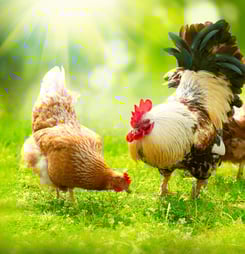
Whether someone raises hens, grew up around farm animals, or just enjoys a good laugh, the premise turns an ordinary afternoon into something unexpectedly joyful. Picture settling into a lawn chair with a drink in hand while chickens peck around nearby, muttering to themselves, scratching the ground like they are looking for buried treasure. It’s peaceful, it’s odd, and it’s oddly perfect.

The day also serves as a gentle reminder that calm can be contagious. Chickens do not hustle. They wander, pause, investigate a leaf with great seriousness, and then change their minds. Their rhythm is unbothered and strangely soothing to watch, which makes the simple act of sharing space with them feel like a mini reset. Even a few minutes in the yard can feel like stepping out of the fast lane.

There is also something quietly funny about the whole setup. Chickens are famously unimpressed by human plans. They do not care about a fancy garnish, a coordinated outfit, or the fact that someone made a “signature drink.”

They will still inspect shoes, attempt to steal a snack, and stare with the intensity of tiny feathered critics. That contrast, humans trying to be festive while chickens remain cheerfully indifferent, is what gives the day its spark.

And while it’s silly, it is not shallow. National Drinking with Chickens Day creates an excuse to put down a phone, notice the outdoors, and make room for light-hearted fun in a busy world. It can even become a way to appreciate the daily care that backyard chicken keeping requires.

Those eggs do not appear by magic, and neither does a happy flock. Spending time near the coop with a drink can feel like a toast to the steady, often invisible routine of feeding, cleaning, and checking on birds.

At its heart, it’s not really about chickens or drinks. It’s about choosing joy on purpose and finding delight in the simplest setup: a chair, some fresh air, and a few clucks in the background.

How to Celebrate National Drinking with Chickens Day

National Drinking with Chickens Day offers the perfect excuse to unwind, have a laugh, and enjoy the odd joy of poultry-filled company. It can be celebrated with a whole backyard scene or with a small, quiet moment outdoors. The only real requirement is a willingness to lean into the whimsy and keep things safe and comfortable for people and birds alike.

Host a Backyard Hangout

Turn an outdoor space into a cozy lounge, even if it’s just a couple of chairs near the coop. Provide a little shade, bring out a side table, and keep the mood relaxed. The best “decor” is usually already there: sunshine, plants, a few scattered feathers, and chickens strolling around like they own the place.

If friends are invited, it helps to set expectations. Chickens can be curious and sometimes skittish, so a calm gathering works better than loud games or sudden movement. Encourage guests to move slowly, use gentle voices, and let the flock approach on its own terms. That respectful distance also tends to make chickens more confident, which leads to better, funnier interactions.

A practical note makes the whole thing smoother: have handwashing options ready. Backyard birds are wonderful, but they are still animals, and good hygiene keeps everyone happy. A nearby sink, a handwashing station, or wipes can turn a quirky hangout into a responsible one without changing the light-hearted tone.

Snap Some Chicken Moments

A camera or phone is practically part of the tradition, because chickens provide nonstop, unscripted comedy. They photobomb. They strike accidental “model” poses. They wander directly into frame at the exact wrong time, which somehow becomes the exact right time.

For better photos, patience wins. Rather than chasing birds around, it helps to sit still and let them come closer. A low angle makes chickens look surprisingly majestic, and a simple background, like greenery or a coop wall, makes their colors and patterns stand out. If the goal is a funny shot, capturing the contrast can be gold: a carefully garnished drink in the foreground and a chicken behind it making a judgmental face.

Props can be fun, but they should stay chicken-safe. Avoid anything that could tangle, frighten, or be swallowed. The day is at its best when the birds are comfortable, doing normal chicken things, and the humans are the ones being ridiculous.

Mix a Special Drink

Creating a signature cocktail or mocktail gives the day a little ritual. A simple base, something fizzy, a bright citrus element, and a fresh herb can feel “special” without being complicated. Mint, basil, rosemary, and citrus peels can add aroma and personality, while berries or cucumber bring a refreshing twist.

Mocktails deserve equal attention because the vibe of the day is more about savoring than about alcohol. Sparkling water with fruit, iced herbal tea with a splash of citrus, or lemonade with muddled berries can feel celebratory and photogenic. A fun glass, a silly straw, or a garnish that looks like it belongs in a garden can make even the simplest drink feel intentional.

Naming the drink is half the fun. A pun or a farm-themed title adds charm and gives guests something to laugh about. If friends are present, a little “menu” on a chalkboard or a handwritten card can make the moment feel like an event without turning it into a production.

When alcohol is involved, moderation keeps the day aligned with its original spirit: relaxed, steady, and a little bit goofy. Chickens require care and attention, and the best celebration is one that ends with everyone, including the flock, content and safe.

Dress to Impress the Flock

This is a day that practically begs for playful outfits. “Farm-chic” can mean denim and boots, a straw hat, or a bright, patterned shirt that looks like it belongs in a garden party. Others go in the opposite direction and lean into pure comedy: feather prints, chicken-themed accessories, or a color palette that matches a favorite hen.

The key is to keep clothing comfortable for sitting outside and suitable for being around animals. Flowy scarves, dangling bits, or anything that looks peckable might attract curious attention. Chickens explore the world with their beaks, and they do not care whether something is jewelry or “not for chicken use.”

Coordinating with the flock can be surprisingly fun. Some chickens are sleek and dark, some are speckled, some are fluffy and dramatic.

Dressing to “match” a particular bird turns the afternoon into a gentle game of fashion and observation, and it encourages people to notice the differences in plumage, posture, and personality that make chickens more individual than many expect.

Craft a Chicken-Themed Playlist

Music sets the mood, and a playlist can help a backyard hangout feel like a real occasion. The best soundtrack depends on the crowd: mellow acoustic songs for a calm sip-and-sit afternoon, upbeat pop for a livelier gathering, or rustic tunes that match the setting.

Keeping the volume moderate matters. Chickens can be startled by sudden loud noise, and part of the charm is hearing their natural sounds: the conversational clucks, the occasional indignant squawk, the soft rustle as they scratch and shuffle. A gentle playlist should feel like a background breeze, not a concert.

For extra fun, mix in tracks with bird references, sunny-day energy, or songs that make guests laugh. A playlist can also become a tradition, the kind of thing people add to year after year, like a musical scrapbook of all the coop-side toasts.

National Drinking with Chickens Day Timeline

  1. Early Domestication of Junglefowl  

    Red junglefowl were first domesticated in parts of Southeast Asia, beginning the long history of humans living alongside and caring for chickens near their homes.  


  2. Plymouth Colony Encourages Poultry Keeping  

    The Plymouth colonists reported success raising “Hens and other Poultrey” in backyard settings, reflecting how small household flocks quickly became part of early American domestic life.  


  3. Homestead Act Spurs Rural Household Flocks  

    The U.S. Homestead Act encouraged small farmsteads, where chickens are commonly kept near the house for eggs and meat, reinforcing the idea of poultry as part of everyday homestead living.  


  4. U.S. Government Promotes Home Poultry  

    During World War I, the U.S. Department of Agriculture urged families to keep hens at home for eggs and meat, blending food security with backyard life and raising poultry as a domestic activity.  


  5. Suburbanization Changes Backyard Space  

    Postwar suburban growth brought private yards, patios, and outdoor lounging, helping to create the modern image of relaxing with a drink outside, even as many suburbs restrict livestock like chickens.  


  6. First U.S. City “Urban Chicken” Ordinance Wave  

    Madison, Wisconsin, legalized limited backyard hens, becoming an early model for other U.S. cities and sparking debates over treating chickens as part of urban home and garden life.  


  7. Backyard Chicken Movement Spreads Online  

    As blogs, forums, and social media grow, urban homesteaders share photos, coop designs, and cocktails-in-the-garden moments, helping turn backyard chickens into lifestyle symbols as much as food producers.  


History of National Drinking with Chickens Day

National Drinking with Chickens Day began in 2019, created by Kate Richards, a gardener and cocktail enthusiast who paired two joys that do not normally share the spotlight: backyard chickens and a well-made drink. The idea grew from her blog, _Drinking with Chickens_, where she shared playful photographs, drink recipes, and stories featuring her flock.

The concept landed because it was both absurd and relatable. Many people have already experienced the calming routine of stepping outside to feed hens, check the coop, or simply watch birds scratch and roam. Adding a drink to that moment turned it into a small, intentional ritual. It framed chicken time not as just another chore, but as a chance to pause and enjoy the scene.

From the start, the tone leaned whimsical rather than wild. The “drinking” part was less about excess and more about a toast to the backyard, the garden, and the slow pleasures of home. That made the day welcoming to a range of participants, including those who prefer nonalcoholic drinks. The core idea was simple: step outside, hold a beverage you enjoy, and appreciate the clucky company.

Social media helped the day spread quickly because it is inherently visual. A drink held up near a curious chicken creates an instant story. People began posting their own versions, featuring hens, roosters, chicks, and sometimes an honorary chicken stand-in like a ceramic figurine or a chicken-print mug. The images often carried the same comedic contrast: humans trying to be stylish or clever, while chickens remained delightfully unimpressed.

As more people joined in, the celebration grew beyond one backyard and one blog. It became a small cultural wink shared by chicken keepers, gardeners, and anyone who enjoys odd traditions with a cozy vibe.

Some participants keep it simple with a quiet sip near the coop. Others turn it into a full theme day with outfits, music, and homemade drinks. The flexibility is part of its staying power. It works for a single person and a single hen, or for a group of friends who want a reason to gather outdoors.

National Drinking with Chickens Day also reflects a broader fondness for backyard hobbies that blend practicality with joy. Chicken keeping can be about eggs and pest control, but it is also about companionship and routine.

Hens become familiar characters with distinct habits and preferences. Spending time with them, drink in hand, highlights that relationship and encourages people to appreciate the animals not just as producers, but as oddly charming neighbors.

Even those without chickens can participate in the spirit of it. The day has become a reminder not to take life too seriously and to find humor in the everyday. A simple toast to fresh air, to gardens and backyards, to small routines that bring peace, fits almost anywhere.

National Drinking with Chickens Day celebrates the idea that fun does not have to be complicated. Sometimes it looks like sitting still for a while, watching a chicken investigate a blade of grass like it holds the secrets of the universe, and deciding that this, right here, is worth smiling about.

Unexpected Facts About Chickens and Their Remarkable Lives

Chickens are often underestimated, but there is far more to them than meets the eye. From surprising intelligence to their long history alongside humans, these facts reveal just how complex and interesting these familiar birds really are.

  • Chicken Intelligence Surprises Researchers

    Research over the past few decades has shown that chickens possess far more complex cognitive abilities than once assumed.

    Studies have found that they can count, anticipate future events, show self-control when choosing delayed but better rewards, and even demonstrate forms of perspective-taking, such as understanding when another bird has information they do not.

    These traits place chickens’ cognitive skills on a level comparable to some mammals, challenging old ideas that they are simple or unintelligent farm animals. 

  • Backyard Chicken Keeping Has Deep Historical Roots

    While the recent urban chicken trend feels new, keeping small household flocks was common in American cities and suburbs through the early 20th century.

    Before large-scale industrial poultry farms took over after World War II, many families kept a few hens for eggs and meat, often in modest urban yards.

    Historians and agricultural extension records show that by the 1920s, cities like New York and Chicago had numerous “backyard poultry” guides aimed at ordinary homeowners, reflecting how normal chickens once were in everyday life. 

  • Urban “Chicken Laws” Reflect Shifting Attitudes

    The recent surge in backyard chicken keeping has led many U.S. cities to revisit old ordinances that once banned poultry.

    Research by planning scholars shows that since the early 2000s, dozens of municipalities have updated zoning codes to allow limited flocks of hens, sometimes with permits or distance requirements.

    Debates at city council meetings often revolve around noise, odor, and animal welfare, but also quality-of-life arguments from residents who see chickens as a way to reconnect with food and nature in urban environments. 

  • Spending Time with Animals Can Lower Stress

    A growing body of research suggests that calm, routine interactions with animals can measurably reduce stress in humans.

    Studies on farm animal–assisted interventions, such as spending quiet time with cows, horses, or goats, have found reductions in cortisol levels, lower self-reported anxiety, and improved mood among participants.

    Even simple, low-intensity contact like watching or gently handling animals appears to activate relaxation responses, which helps explain why unhurried time in a yard with animals can feel so restorative. 

  • Chickens Communicate with a Surprisingly Rich “Vocabulary”

    Ethologists have documented more than 20 distinct vocalizations in chickens, each used in specific contexts such as warning of aerial predators, finding food, or calling chicks.

    These calls can be remarkably precise: experiments show that chickens use different alarm calls for threats coming from the air versus on the ground, and other birds in the flock respond appropriately even when they cannot see the danger.

    This sophisticated communication system helps maintain social cohesion and safety in the group. 

  • Backyard Flocks Can Support Household Food Security

    Small chicken flocks can play a meaningful role in a household’s food system by providing a regular supply of eggs and sometimes meat.

    Research on urban agriculture has found that a handful of laying hens can yield hundreds of eggs per year, which can supplement diets with high-quality protein and micronutrients such as vitamin B12 and choline.

    In some communities, especially during economic downturns or disruptions to food supply chains, keeping chickens has been one practical way for families to buffer against food insecurity. 

  • Dust Baths and Sunbathing Are Essential Chicken Spa Rituals

    Those seemingly comical moments when chickens roll in dry dirt or stretch out in the sun are actually critical self-care behaviors.

    Ethological studies show that dust bathing helps chickens maintain healthy feathers by absorbing excess oil and dislodging external parasites, while sunbathing assists in thermoregulation and may play a role in vitamin D synthesis.

    Even when housed indoors with artificial flooring, chickens will try to perform dust-bath behavior, indicating how deeply ingrained and important these routines are to their well-being. 

National Drinking with Chickens Day FAQs

You may also like

Jump to main navigationJump to content