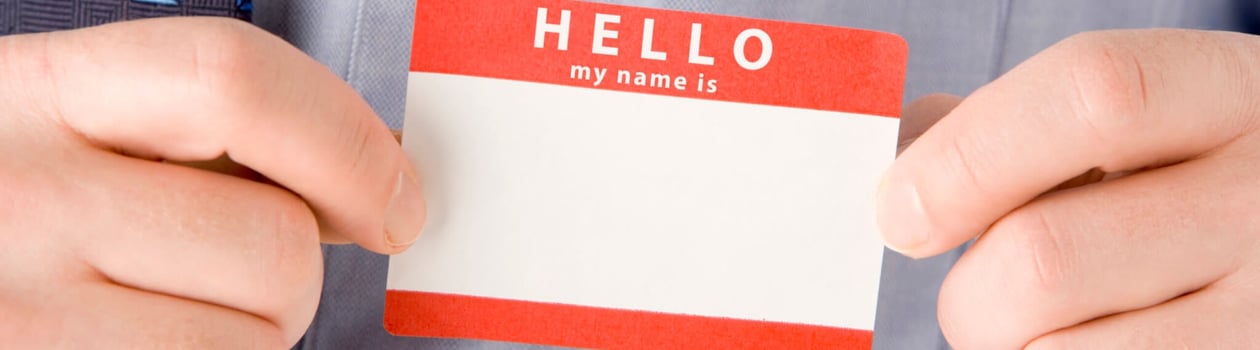
Let’s dive into the world of Namesake Day with a spark of excitement and curiosity! Imagine a day set aside just for you and your name.
Namesake Day focuses on the stories and history behind our names. Why do we celebrate Namesake Day? Well, it’s not just about having a reason to enjoy an extra slice of cake (though that’s always a plus).
Namesake Day Timeline
Christian Europe develops “name day” customs
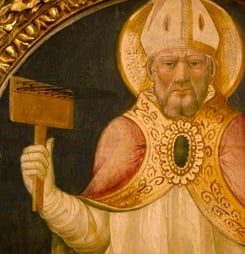
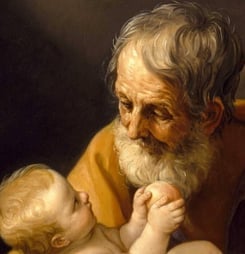
In Catholic and Eastern Orthodox Europe, believers begin celebrating the feast day of the saint whose name they bear, creating the tradition of honoring one’s personal name each year.
Saints’ names become widespread for European children
By the 1200s, it is common across much of continental Europe to give children the names of saints, reinforcing personal identity through a religious namesake tied to the liturgical calendar.
Name days rival birthdays in parts of Europe
In many Catholic and Orthodox regions, especially in Eastern Europe and Scandinavia, celebrating one’s name day grows so important that it often equals or even surpasses the birthday in social significance.
Nameday observance becomes a stable family custom
Households across Christian Europe regularly mark family members’ name days with blessings, small gifts, and special meals, embedding the idea that a person’s name and namesake deserve formal celebration.
European name days begin to secularize
In countries such as the Czech lands, printed calendars assign given names to specific dates, and name day parties gradually shift from purely religious observances to more secular celebrations of the individual’s name.
Name days spread through Latin America
As Catholic traditions move with colonization and migration, many Latin American communities adopt celebrating a person’s given name on the feast day of their patron saint, blending local customs with European practice.
Onomastics emerges as a formal field of study
Linguists and historians consolidate the study of personal names, place-names, and naming patterns under the discipline of onomastics, giving scholarly structure to questions about where names come from and what they mean.
How to Celebrate Namesake Day
Diving into Namesake Day doesn’t have to be a humdrum affair. Here are some lively and fun ways to mark the occasion, ensuring a memorable and meaningful celebration:
Chat with Your Family. Kick things off by asking your parents or older family members why they chose your name. Every name has a story, and who knows? Yours might just be epic!
Reach Out to Your Namesake. If you’re named after someone special, why not send them a message or give them a call? It’s a sweet way to connect and share a moment. If you’re feeling adventurous, why not reach out to someone who shares your name and plan a small celebration?
Name-Themed Party. Throw a party where everyone brings a dish related to their name. Think Sandy’s sandwiches or Bob’s burgers. It’s a tasty way to learn about each other!
Explore Your Name’s Origin. Dive into the internet or hit the library to find out what your name means and its origin. You might discover something fascinating.
Find Your Name Twin. Hunt for someone with the same name and plan a meet-up or a virtual chat. It’s a fun way to see how many “yous” are out there.
Craft a Name Story. Write a short story or poem about your name, or create a piece of art that represents what your name means to you. Get those creative juices flowing!
Donate in Your Name. Celebrate by giving back. Choose a charity close to your heart and make a donation in your name. It’s a meaningful way to spread the love.
Each of these ideas is designed to make Namesake Day not just another date on the calendar but a vibrant celebration of identity, connection, and the stories that names carry through generations.
It’s about connecting with our heritage and the people we are named after. On this day, we dive into the meanings behind our names. It’s also an opportunity to reach out to those who share our names for a fun meet-up or a virtual chat. Namesake Day is a chance to appreciate the uniqueness of our names and the personal stories they carry.
It’s all about making connections and celebrating the uniqueness that each name brings to the world. In a nutshell, Namesake Day is more than just another date on the calendar.
It’s a vibrant celebration of identity, heritage, and the personal tales woven into our names. So, let’s raise a toast to our names and the stories they tell—Happy Namesake Day!
History of Namesake Day
The origins of this event are as fascinating as the names themselves. While the exact beginnings are a bit of a mystery, it’s clear that the day has roots in traditions that value the significance of names and identity.
Namesake Day has a rich tapestry that’s as colorful as a patchwork quilt. Its story begins with a whisper of tradition, reaching back to ancient times. It evolved from a religious to a more secular celebration, encouraging everyone to appreciate the legacy and influence of their namesakes.
The Greeks were perhaps among the first to adapt the concept, celebrating names with their own special days. This idea, much like a seed, sprouted and took root across Europe, where saints’ days became the perfect occasion to honor one’s name.
Fast forward to the more recent past, and you’ll find the celebration taking on a new shape in the United States. Here, Namesake Day bloomed on the first Sunday of March, becoming a part of a larger festivity known as Celebrate Your Name Week.
This week-long party was the brainchild of Jerry Hill, an enthusiast of onomatology—the fancy term for the study of names. In 1997, Jerry decided it was high time everyone got a chance to dive deep into the stories behind their names, and thus, Namesake Day was born. Over the years, this event has evolved from its religious roots into a fun occasion that people around the globe celebrate.
The essence of this day lies in the joy of discovery. It’s about unearthing the meaning behind our names. It is celebrating the legacies of those we’re named after and maybe even connecting with others who share our moniker.
It’s a day filled with stories, laughter, and a shared sense of identity. So, whether your name is as common as John or as unique as Zephyr, Namesake Day invites you to celebrate the story it tells. In sum, Namesake Day is not just a day; it’s a journey through history, culture, and personal tales.
It reminds us that behind every name is a story waiting to be told, a legacy to be honored, and a connection to be made. So, let’s celebrate Namesake Day with enthusiasm, cherishing the names that connect us to our past and each other.
Facts About Namesake Day
Sacred Name Days Once Rivaled Birthdays
In much of medieval and early modern Europe, a person’s “name day,” tied to the feast of the saint they were named after, could be celebrated as much as or even more than their actual birthday.
In Orthodox and Catholic traditions, the name day was seen as the spiritual birthday connected to baptism, and it was marked with church services, home rituals, gifts, and family gatherings, a pattern that survived into the 20th century in countries such as Russia, Greece, and Poland.
Italian Onomastico Is Still Treated Like a Second Birthday
In Italy, especially in central and southern regions, the onomastico, or name day, is still widely observed and can resemble a second birthday.
People named after a saint receive well wishes, small gifts, or special desserts on that saint’s feast day, and calendars and newspapers often print daily lists of which names are being honored, helping keep the custom alive even among younger generations.
The Science of Names Has Its Own Field
The systematic study of names is known as onomastics, a branch of linguistics that looks at how personal names, place names, and even names of storms or products arise and change.
Onomastic research uses tools from history, sociology, and language science to trace patterns such as how certain given names spread with religious conversion, how surnames preserve clues about old occupations, and how political regimes sometimes mandate mass name changes.
People Consistently Misjudge How Common Their Own Name Is
Psychological research has found that people routinely believe their own first name is more unique than it really is, a pattern dubbed the “first name uniqueness effect.”
In experiments using large datasets of baby names, participants underestimated how frequently their own name occurred, regardless of whether it was actually common or rare, suggesting that people build a flattering mental picture of their individuality around something as basic as their name.
“Unfortunate” First Names Can Shape Life Outcomes
A large-scale study of thousands of people with strongly negative or stigmatized first names found that they tended to receive less social interest online and reported lower self-esteem, higher smoking rates, and lower educational attainment.
The researchers argued that subtle, long-term interpersonal neglect tied to a disliked name can accumulate over time, influencing both how others treat a person and how that person comes to view their own worth.
Name-Day Calendars Have Been Regularly Revised to Match Modern Naming
In countries with strong name-day traditions, official or semi-official calendars listing which names are celebrated on which dates have been revised repeatedly to reflect changing fashions.
Sweden, for example, issued a major name-day calendar in 1901, then updated it several times in the late 20th century and again with a Swedish Academy revision in 2001, adding newer names while trying to preserve historical and religious connections.
Catholic Europe Once Gave Children the Saint of the Day as a Name
Historically in many Roman Catholic regions, some parents simply named a newborn after the patron saint whose feast fell on the child’s birth date, rather than choosing a name in advance.
Encyclopedic surveys note that this practice, along with naming after popular local saints, helped produce large clusters of the same given names in certain areas and reinforced the close tie between personal identity and the liturgical calendar.