National Bakers-Crafters-Makers Day
National Bakers-Crafters-Makers Day celebrates the creative individuals who bring unique, handmade items into our lives.
These creators pour their time, energy, and passion into crafting goods that stand apart from mass-produced products.
Their dedication often means working through holidays and personal time to fulfill orders and bring joy to others. This day acknowledges their hard work and the personal sacrifices they make to share their talents with the world.
Handmade products offer more than just utility; they carry the personal touch and individuality of their makers. Each item reflects the creator’s skill and creativity, providing consumers with unique alternatives to factory-made goods.
Supporting these artisanal businesses not only helps sustain their livelihoods but also enriches our communities with diverse, heartfelt creations.
In societies across the globe, artisans have historically played a crucial role in the cultural and economic fabric.
Whether it’s intricate ceramics crafted under the blazing sun or delicate knitwear woven on a rainy afternoon, each handmade item embodies local traditions and individual passions.
National Bakers-Crafters-Makers Day serves as a joyful reminder to value and support the individuals who choose to create by hand, adding beauty and uniqueness to our everyday lives.
How to Celebrate National Bakers-Crafters-Makers Day
National Bakers-Crafters-Makers Day offers a wonderful chance to honor the creativity and dedication of artisans everywhere. Here are some engaging ways to celebrate and support these talented individuals:
Support Local Artisans
Visit nearby markets or online platforms to purchase handmade goods, choosing unique, handcrafted items that bring joy and help sustain the artisans behind them.
Each purchase contributes directly to maintaining their craft and passion, and often, even small purchases have significant impacts on artisan livelihoods, enhancing local economic and social fabrics.
Share Their Stories
Use social media to highlight your favorite makers. Post photos of their creations and share what makes them special to you.
Your words can inspire others to appreciate and support these artists. By spreading awareness, you contribute to a broader appreciation of handmade goods and the stories embedded in each piece.
Try a New Craft
Explore your creative side by starting a new project. Whether it’s baking, knitting, or painting, engaging in a craft can be both fun and fulfilling. You might discover a new hobby or even a hidden talent.
Moreover, trying your hand at creating something unique often fosters a deeper appreciation for the mastery and dedication artisans pour into their work.
Attend a Workshop
Look for local classes or online tutorials to learn a new skill. Participating in a workshop can deepen your appreciation for the effort artisans put into their work.
It’s also a great way to connect with like-minded individuals. Workshops often serve as spaces not only for skill acquisition but also for community building around shared creative interests.
Express Gratitude
Reach out to a maker whose work you admire. A simple message of thanks can mean a lot. Acknowledging their effort and creativity encourages them to continue sharing their talents with the world.
Encourage others to express appreciation as well, fostering a community that celebrates and recognizes the value of creative endeavors.
By engaging in these activities, individuals contribute not only to the recognition and support of artisans but also to the preservation and growth of cultural creativity and local economies.
Each action, no matter how small, helps weave a more vibrant community fabric enriched by diverse and heartfelt artisan contributions.
National Bakers-Crafters-Makers Day Timeline
10,000 BCE
The Dawn of Handmade Innovations
Early humans began crafting tools from stone and wood, establishing the roots of handmade craftsmanship that provided both utility and artistic expression. [1]
12th Century
The Rise of Craft Guilds in Europe
Craft guilds developed in Europe, promoting quality and skill among artisans, laying the foundation for organized handmade trades. [2]
1913
The Arts and Crafts Movement Flourishes
A reaction against industrialization, this movement emphasized craftsmanship and handmade production, influencing design and education. [3]
1970s
Cultural Renewal Through Crafts in the US
The counterculture movement embraced handmade crafts as a form of expression and community building, leading to the growth of artisanal markets. [4]
2006
The Etsy Revolution
The launch of Etsy provided a platform for handmade artisans globally, revolutionizing the accessibility and retail of handmade goods. [5]
History of National Bakers-Crafters-Makers Day
National Bakers-Crafters-Makers Day started in 2020. Sue Monhait, founder of Gift Biz Unwrapped, created it to honor people who build businesses around handmade products.
Her understanding of the pressures and time required to create items by hand, especially during the holiday season, prompted her to designate a specific day for recognizing these creators and the commitment they bring to their craftsmanship.
Gift Biz Unwrapped is based in Highland Park, Illinois. The company primarily supports people, mainly women, who sell baked goods, crafts, and other handmade items.
Sue provides them with tools, podcasts, and guidance to help grow their businesses. Through this support, many have learned to balance creative work with the daily challenges of running a small business.
Historically, artisans have faced various challenges, from accessing the necessary resources to market exposure and competing against large-scale manufacturers. The parallels throughout time show an ongoing need for communal and consumer support to sustain independent craftsmanship.
This day serves to remind us to look beyond store shelves and support real people doing real work. Bakers, crafters, and makers often work long hours, missing out on holidays and rest.
National Bakers-Crafters-Makers Day brings attention to their efforts and encourages us to say thank you. Whether through a kind message, a purchase, or a simple shout-out, we can all take a moment to support the handmade community.
That support makes a real difference in their lives.
Facts about National Bakers-Crafters-Makers Day
Handicrafts represent far more than decorative or functional objects—they are living expressions of culture, history, and human creativity. Rooted in tradition yet constantly evolving, handmade crafts connect generations, sustain local economies, and offer personal meaning in an increasingly mass-produced world.
From preserving ancestral techniques to supporting mental well-being and driving global market growth, craftsmanship continues to play a vital role in cultural, economic, and social life across the globe.
-
Cultural Heritage of Handicrafts
Handicrafts have been an integral part of cultural heritage worldwide, connecting communities through shared traditions and stories. From textiles to pottery, these crafts preserve unique regional identities and foster economic growth in local communities.
-
Economic Impact of the Handmade Sector
The handmade crafts sector plays a crucial role in the global economy, with the market projected to grow significantly—to an estimated $87.38 billion globally by 2035. This growth is fueled by rising consumer interest in personalized and artisan goods.
-
Arts and Crafts Movement
Emerging in the late 19th century, the Arts and Crafts Movement emphasized handcrafted goods in reaction against industrial mass production. It revitalized traditional artisanal techniques and contributed to what we view today as a celebration of craftsmanship.
-
Therapeutic Benefits of Crafting
Beyond their economic contributions, handmade crafts offer therapeutic benefits. Engaging in craft activities has been shown to reduce stress, enhance relaxation, and improve mental health by providing a creative outlet for expression.
Global Craft Participation
Crafting is a popular activity with a significant following; over 85 million individuals participate in crafting across North America, reflecting a 71% engagement rate among consumers. This widespread participation underscores the craft sector’s importance in cultural and social contexts.
National Bakers-Crafters-Makers Day FAQs
How do handmade goods impact local economies?
Handmade goods significantly contribute to local economies by supporting small businesses, creating jobs, and fostering community development. These products, often crafted by local artisans, encourage consumers to spend money within their communities, which helps sustain local crafts and trades. Handmade industries also serve as a valuable source of tourism and cultural exchange, further boosting economic activity. [1]
Why is there a growing interest in handmade products?
There is a growing interest in handmade products due to their uniqueness, quality, and the personal connection they offer between maker and buyer. Consumers are increasingly seeking sustainability and authenticity in their purchases, driving demand for items that are ethically produced and distinctive. This trend also reflects a broader cultural shift towards personalization and artisan-made products over mass-produced goods. [2]
How does the arts and crafts market contribute to the global economy?
The arts and crafts market significantly contributes to the global economy, with North America alone holding a market share valued at USD 17.8 billion as of 2024. This market encompasses a vast range of creative enterprises, from small crafts businesses to larger production firms. The growth of this sector is driven by a rising consumer appreciation for handmade and eco-friendly products, making it a pivotal component of the cultural economy. [3]
What cultural significance do bakers, crafters, and makers have in society?
Bakers, crafters, and makers hold significant cultural importance by preserving traditional skills and contributing to cultural heritage. These artisans shape community identities, enabling cultural continuities through their crafts. Moreover, the tradition of crafting fosters creativity and innovation, keeping cultural practices alive and dynamic within modern society. [4]
What role do handmade products play in sustainable consumption?
Handmade products play a crucial role in promoting sustainable consumption by emphasizing resilience and reducing environmental impacts. As they are often created using local, sustainable materials and methods, these products offer an eco-friendly alternative to industrial manufacturing, which can involve significant resource consumption and waste. Their production supports small-scale economies and limits the carbon footprint compared to mass-produced goods. [5]
Also on ...
View all holidays
National Hugging Day
Have a heartfelt cuddle with loved ones, try out different embraces like the bear hug or raise awareness of affection's health benefits.

National Cheesy Socks Day
Transform your sock game with outrageously hilarious novelty socks! They'll make your feet feel fancy and your friends laugh out loud.

International Playdate Day
A cherished occasion when the youngest among us gather, fostering friendships, sharing laughter, and building the bonds that shape their world.
We think you may also like...
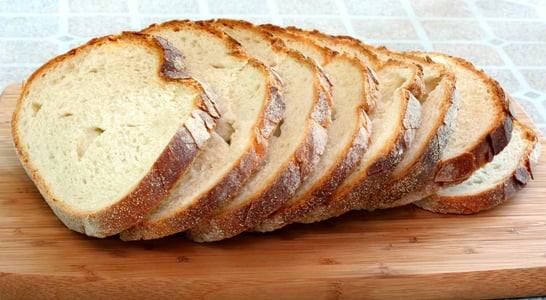
National Sourdough Bread Day
Try baking your own, enjoy your favorite sandwich or soup bowl, or even branch out and try sourdough cake on the delicious, yeasty National Sourdough Bread Day.

Gingerbread House Day
Get creative decorating a tiny, edible home and have a friendly competition with family to see who can make the tastiest, prettiest, gingery house.
National Fruitcake Day
Indulge in variations of a classic cake from all over the world or compete to see who can fling this fruit-packed favorite the furthest.