
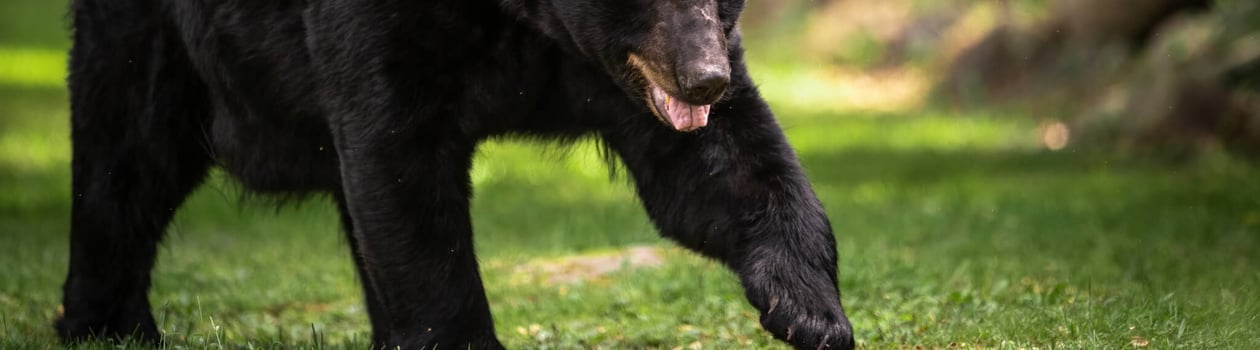
Get ready to have some fun while showing appreciation for and learning about the black bear – because it’s time to celebrate National Black Bear Day!
How to Celebrate National Black Bear Day
Enjoy National Black Bear Day and celebrate in a variety of ways. Perhaps consider including some of these ideas in the plans for the day:
Visit the North Carolina Black Bear Festival
Located in Plymouth, North Carolina, this festival was created to celebrate and educate the public about the black bear in a variety of fun and interactive ways.
Many people don’t realize that the state of North Carolina has some of the largest black bears on the globe, setting several world records – and that’s certainly an interesting reason to celebrate!
National Black Bear Day can be spent at the festival participating in fun and exciting events that change each year. Examples of past events have included airboat rides, a black bear museum, black bear theater, races, classic car show and even a baby bear dress-up contest.
Learn Fun Facts About Black Bears
Black bears are fascinating creatures that offer tons of different reasons to celebrate them on National Black Bear Day! Here are some interesting facts to learn and share to raise awareness for the day:
- Black bear cubs usually weigh less than one pound when they are born and they gain 20-30 pounds in their first three months of life!
- Black bears are incredible swimmers. In fact, they are very good at paddling and in fresh water are able to swim for at least a mile and a half.
- While they will eat meat, such as fish, and other types of foods, black bears are mostly vegetarians with a mainstay diet of grasses, herbs and fruits they find when foraging.
- Black bears can move very fast. They can run up to 40 km per hour and their short claws make them excellent at climbing trees.
National Black Bear Day Timeline
Early Bear Ancestors Arrive in North America
Ancestors of modern bears, including the lineage that would give rise to the American black bear, dispersed from Eurasia into North America via the Bering land bridge, establishing the continent’s first bear populations.
Origins of the American Black Bear Species
Fossil and genetic evidence indicate that Ursus americanus diverged from other bear lineages during the Pleistocene, becoming established as a distinct species across forested regions of North America.
Black Bears in Indigenous Cultures of North America
Many Native American nations, including the Anishinaabe, Haida, and Cherokee, revere black bears as powerful spiritual beings, incorporating them into clan systems, ceremonies, stories, and subsistence hunting traditions.
Widespread Decline of Black Bear Populations
European settlement, large‑scale deforestation, market hunting, and predator eradication campaigns cause black bear numbers to crash across much of the United States, confining them mainly to remote forests and mountains.
Roosevelt’s Mississippi Bear Hunt Inspires the Teddy Bear
During a hunting trip in Mississippi, President Theodore Roosevelt refused to shoot a captured black bear, a story popularized by a political cartoon that inspired toy makers to create the first “teddy bear” stuffed animals. [1]
Creation of National Parks and Early Bear Management
With the National Park Service established in 1916, federal managers began formal programs to regulate hunting and manage bears in parks like Yellowstone and the Great Smoky Mountains, laying the groundwork for scientific bear conservation.
Modern Legal Protections and Recovery
The U.S. Endangered Species Act of 1973, along with state game regulations and habitat protection, helps stabilize and increase many regional black bear populations, leading to notable recoveries in the eastern and southern United States.
History of National Black Bear Day
The black bear has ancestors from Asia that are believed to date back millions of years, eventually making their way across the Bering Land Bridge and over to North America. The animal as it is known today has been part of North America for hundreds of thousands of years.
When the early pioneers and settlers arrived in North America in the 1400s, black bears were abundant. In fact, the black bear continues to be the most common species of bear on the continent, ranging from Alaska in the north to Mexico in the south. In fact, black bears can be found in 40 different US states and every one of the Canadian provinces.
National Black Bear Day got its start in 2018 when it was founded by the North Carolina Black Bear Festival to raise awareness and dispel myths that surround this majestic creature. Now, the day is celebrated annually on the first Saturday of the month and is growing in popularity throughout North Carolina and many other places!
National Black Bear Day FAQs
Why do some people call black bears “honey bears”?
The nickname “honey bear” comes from black bears’ love of sweets.
While they do eat honey, they’re actually after the protein-rich bee larvae inside beehives. To get to these treats, they tolerate stings by bees, showcasing their adaptability and determination.
How did black bears inspire the creation of the teddy bear?
The teddy bear’s origins trace back to a hunting trip involving President Theodore Roosevelt.
He famously refused to shoot a black bear cub tied up for sport, an act immortalized in a political cartoon. Toymakers turned the story into a plush toy, now a beloved symbol of childhood.
Do black bears hibernate everywhere they live?
Surprisingly, not all black bears hibernate. In warmer climates like Florida, where food is available year-round, black bears remain active. Hibernation primarily occurs in colder regions where food becomes scarce during winter.
Why are black bears considered “nature’s recyclers”?
Black bears consume a wide variety of foods, from berries to carrion, helping clean up their environment.
They also disperse seeds through their scat, aiding forest regeneration. Their role keeps ecosystems healthy and balanced.
What’s a quirky superstition about black bears?
Some folklore warns that dreaming of a black bear means you’ll encounter an intimidating challenge.
Conversely, others see the bear as a symbol of inner strength, suggesting that you’ll overcome obstacles with courage.
Are there famous black bears in history or culture?
One of the most notable black bears is “Winnie,” the inspiration for A.A. Milne’s Winnie-the-Pooh.
Winnie was a real bear kept at the London Zoo, brought there by a Canadian soldier during World War I. The bear’s friendly nature captured the hearts of visitors and Milne’s young son, Christopher.
How do black bears help scientists monitor environmental changes?
Scientists study black bears to understand ecosystem health.
For instance, examining the bears’ diets and movements can indicate changes in food availability or habitat disruptions. Bears act as living indicators of forest health.
What’s the most unusual item ever found in a black bear’s diet?
Black bears are opportunistic eaters and have been known to consume anything from toothpaste tubes to leftover pizza.
In one case, a bear in Colorado broke into a car and polished off dozens of cupcakes, leaving behind only wrappers.
What’s unique about black bears in the southeastern U.S.?
Black bears in the southeastern United States are smaller and often exhibit cinnamon or chocolate-colored fur.
These regional differences in size and color showcase how adaptable black bears are to diverse environments.
Why do black bears climb trees so often?
Climbing trees is a skill black bears use to escape predators and search for food, such as fruit or acorns.
Cubs are particularly adept climbers, often retreating to branches for safety while their mother looks for food below.



You may also like

National Teddy Bear Day
Cuddly, cute, and comforting companions that always listen and never judge. These creatures are perfect for snuggles and make great gifts.
- Australia
- Canada
- United Kingdom
- and 1 more

Teddy Day
Huggable, soft companions that bring comfort and warmth to people of all ages, embodying timeless affection and solace.

Teddy Bear Picnic Day
Based on the early 20th Century pop song “The Teddy Bears’ Picnic”, this day is all about spending time on a picnic with friends, family, and teddy bears.
- Canada
- International
- United Kingdom
- and 1 more

Bring Your Teddy Bear To Work & School Day
Improve your day by bringing your teddy bear to work or school, and spending the day with one of your oldest, truest, and cutest friends who has never let you down.
- Australia
- Canada
- United Kingdom
- and 1 more
National days and holidays on June 6

Vivid Sydney
Vivid Sydney is a dazzling celebration that transforms the city into a vibrant playground of lights, music, and creativity. For weeks, iconic landmarks and urban spaces glow with stunning light installations and 3D projections, captivating both locals and tourists. This festival draws millions of visitors each year, offering an enchanting...

The Big Lunch
The Big Lunch is a beautiful day filled with community spirit. This annual event is like an enormous block party, where the tantalizing fragrances of home-cooked delicacies mingle with music and laughter. The event means sharing meals. It also means making new - or renewing - heartwarming connections. As...

National Applesauce Cake Day
Celebrate National Applesauce Cake Day with moist, spice-kissed applesauce cake, creative baking, and shared slices that honor a comforting, historic dessert.

National Yo-Yo Day
Celebrate National Yo-Yo Day by exploring tricks, parties, contests, and history that honor this classic toy, its culture, and its surprising global legacy.
Seize Every Day
Join free for personalised recommendations, email reminders and exclusive guides. Never miss a day.