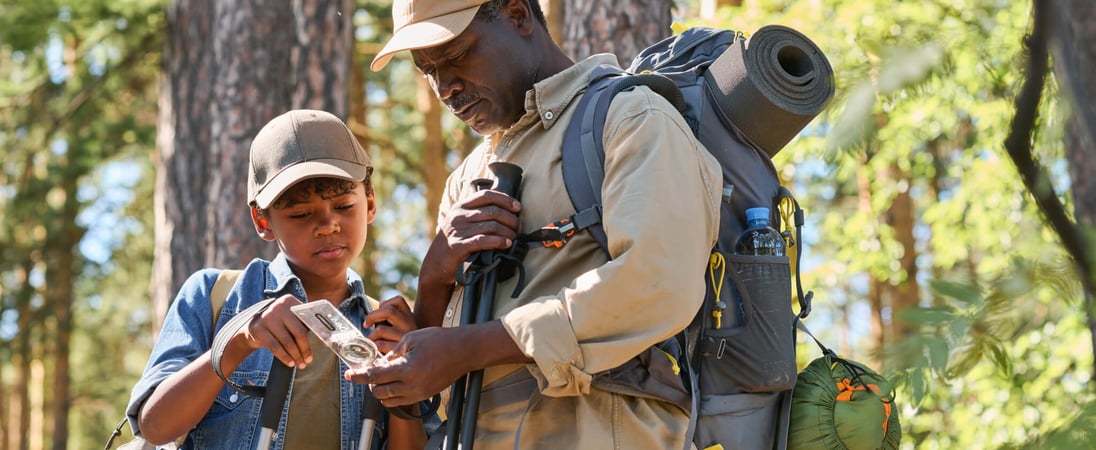
National Boy Scout Day
National Boy Scout Day is a vibrant celebration recognizing the impact and values of the Boy Scouts of America. This day honors qualities like trustworthiness, loyalty, and kindness.
The celebration highlights the organization’s role in shaping the character and leadership skills of young people across the nation.
Many notable figures, including astronauts and presidents, were once Boy Scouts, underscoring the program’s influence on future leaders.
By celebrating National Boy Scout Day, we acknowledge the importance of these values in our communities and encourage their continued practice. This hands-on learning promotes self-confidence and practical skills.
National Boy Scout Day Timeline
1907
Brownsea Island Experimental Camp
Robert Baden-Powell runs a camp on Brownsea Island in Dorset, England, often regarded as the first Scout camp and the practical beginning of the Scouting movement.
1908
Publication of “Scouting for Boys”
Baden-Powell publishes “Scouting for Boys,” whose serialized lessons on outdoor skills, citizenship, and character rapidly inspire the formation of Boy Scout patrols across Britain and beyond.
1910
Boy Scouts of America Founded
Chicago publisher William D. Boyce incorporates the Boy Scouts of America in Washington, D.C., adapting the British Scouting model for American boys and launching a nationwide youth movement.
1911
First Official BSA Handbook and Ranks
The Boy Scouts of America issues its first official Handbook for Boys, formalizing U.S. Scout ranks, introducing a structured merit badge system, and establishing Eagle Scout as the highest youth rank.
1916
Congressional Charter of the BSA
The United States Congress grants the Boy Scouts of America a federal charter, recognizing it as a patriotic, national organization and giving it statutory protection for its name and emblems.
1920
First World Scout Jamboree
The first World Scout Jamboree is held in London, bringing together about 8,000 Scouts from 34 countries and demonstrating the global reach and shared ideals of the Scouting movement.
Early 1970s
Peak BSA Youth Membership
Boy Scouts of America youth membership reaches its historic peak of roughly 4.8–4.9 million members, reflecting Scouting’s mainstream role in mid‑20th‑century American youth life.
History of National Boy Scout Day
Join a Local Scout Event
Discover a local Boy Scout event and jump into the fun! Communities often host gatherings where everyone can join in activities like hiking or crafting.
It’s a perfect chance to meet new friends and learn new skills while celebrating.
Earn a Merit Badge
Why not try earning your own merit badge? Pick a topic that piques your interest, whether it’s bird watching, knot tying, or even robotics.
Follow the badge requirements and enjoy the journey of learning something new and exciting.
Do a Good Deed
Channel your inner Scout and do a good turn for someone today. Help a neighbor with their groceries, volunteer at a local shelter, or simply share a smile.
Small acts of kindness spread cheer and embody the Scout spirit.
Host a Camping Adventure
Grab a tent, pack some snacks, and head to the great outdoors! Camping under the stars offers a break from screens and a chance to connect with nature.
Share stories around the campfire and enjoy the tranquility of the wilderness.
Share Scout Stories
Do you have an old Scout uniform or a memorable photo? Share your Scouting adventures on social media.
Use the hashtag #NationalBoyScoutDay to join the celebration and inspire others with your tales of bravery and fun.
Support a Scout Troop
Consider donating to a local Scout troop. Contributions help fund trips, buy supplies, and support the Scouting journey for many kids.
It’s a simple way to give back and ensure the legacy of Scouting continues.
Learn a New Outdoor Skill
Try your hand at a new outdoor skill like orienteering, fishing, or plant identification. These activities are not only fun but also practical, boosting your confidence in the great outdoors.
Celebrate with a Scout-Themed Party
Throw a Scout-themed party with friends and family. Decorate with badges, serve campfire snacks, and play traditional Scout games.
It’s a fun and festive way to honor the day and create lasting memories.
How to Celebrate National Boy Scout Day
National Boy Scout Day celebrates the founding of the Boy Scouts of America (BSA). The organization started on February 8, 1910, thanks to W.D. Boyce, an American businessman. This event is a celebration of that anniversary date!
Boyce was inspired by a helpful scout he encountered in London. The Scout refused a tip for his assistance, saying he was simply doing his duty as a Scout. This encounter motivated Boyce to bring the concept of scouting to the United States.
The Boy Scouts of America quickly grew, with the first national meeting in 1911, setting the stage for a nationwide movement. James E. West became the first Chief Scout Executive, helping to adapt the British Scouting model to fit American culture and needs.
West’s leadership helped expand the Scout Oath and Scout Law, incorporating values that remain central to Scouting today.
National Boy Scout Day is a reminder of the organization’s significant impact. The day honors the principles and activities that have helped shape responsible and skilled citizens.
It also emphasizes the educational and moral foundation provided by Scouting. Through activities like earning merit badges, Scouts explore various interests and career paths.
Celebrating this day helps keep the legacy and spirit of Scouting alive, promoting community service, leadership, and outdoor skills among the youth.
National Boy Scout Day FAQs
How is the Boy Scouts of America (now Scouts BSA within Scouting America) structured for different age groups?
In the United States, Scouting America (formerly Boy Scouts of America) offers several age‑based programs.
Cub Scouts serves children in kindergarten through about fifth grade in family‑oriented “packs” made up of smaller “dens” by grade. Scouts BSA is the traditional troop program for roughly ages 11–17, organized into youth‑led patrols within a troop.
Older youth may join programs such as Venturing or Sea Scouts, which focus on high‑adventure or maritime activities and have their own advancement and leadership structures.
All of these units operate under local councils and districts that provide training and support.
What is the difference between Cub Scouts advancement and Scouts BSA ranks in practice?
Cub Scouts advancement is tied to school grade: each rank (such as Lion, Tiger, Wolf, Bear, and Webelos/Arrow of Light) corresponds to a grade level, and youth earn a rank by completing a set number of required and elective “Adventures” that are designed to be age‑appropriate.
In Scouts BSA, rank (Scout through Eagle) is not linked to age or grade; instead, each Scout advances at an individual pace by completing specific skill, leadership, camping, first aid, citizenship, and service requirements, with recognition following a review by their troop and a board of review.
How does Scouting actually teach leadership to young people?
Scouting teaches leadership primarily by giving youth real responsibility within their units.
In Scouts BSA troops, for example, Scouts are organized into patrols and hold positions such as senior patrol leader, patrol leader, or quartermaster.
These youth leaders are expected to plan meetings and outings, organize teams, and oversee tasks, while adults act as mentors rather than directors.
Advancement to higher ranks (Star, Life, Eagle) requires serving in positions of responsibility for specified periods and leading service projects, so leadership is learned through repeated practice in real‑world group situations.
What evidence is there that Scouting affects character or behavior outside troop meetings?
Evaluations of Scouting programs in the United States and internationally have found that youth who participate in Scouting tend to report higher levels of prosocial traits such as helpfulness, kindness, and trustworthiness, and are more likely to be involved in volunteering and community activities than similar non‑participants.
These studies attribute the differences to Scouting’s emphasis on a clear code of conduct (the Scout Promise/Oath and Law), regular service projects, and long‑term membership in value‑focused peer groups, while also noting that some of the effect may come from self‑selection by families who already value these traits.
How did the modern Scouting movement begin and spread worldwide?
The modern Scouting movement began in 1907 when British Army officer Robert Baden‑Powell ran an experimental camp for 20 boys on Brownsea Island in England to test ideas about character, self‑reliance, and outdoor skills.
He then published “Scouting for Boys,” which quickly inspired local patrols and troops across Britain and other countries.
By 1920, thousands of Scouts from dozens of nations attended the first World Scout Jamboree in London, and international structures were created that later became the World Organization of the Scout Movement (WOSM), which now coordinates national Scout organizations around the globe.
What is the World Organization of the Scout Movement, and how does it relate to national Scout groups?
The World Organization of the Scout Movement (WOSM), also branded as World Scouting, is the main global body for the Scout Movement.
It is a non‑governmental organization that brings together recognized national Scout organizations—such as Scouting America in the United States—to promote common principles, support program development, and coordinate world‑level events like World Scout Jamborees.
WOSM is governed by a World Scout Conference and World Scout Committee, served by a World Scout Bureau headquartered in Kuala Lumpur, and holds consultative status with the United Nations Economic and Social Council.
How does Scouting differ from many other youth activities like sports or school clubs?
Scouting differs from many sports teams or school clubs in that it is designed as a comprehensive educational movement rather than a single‑skill activity.
It combines a value‑based code (Promise/Oath and Law), progressive personal advancement through ranks and badges, youth‑led leadership structures, outdoor and service experiences, and long‑term membership that can span childhood into young adulthood.
The World Organization of the Scout Movement describes Scouting as a voluntary, non‑political educational movement aiming to help young people develop physically, intellectually, socially, and spiritually so they can play constructive roles in society, which goes beyond the narrower goals of most extracurricular activities.
Also on ...
View all holidays
National Kite Flying Day
Colorful sails dancing in the sky, held by invisible strings, challenging the wind's whims in a delightful game of high-flying freedom.


National Molasses Bar Day
From rich gingerbread to sweet BBQ sauce, it's the secret ingredient in many beloved recipes, adding a deep, earthy sweetness.

Super Chicken Wing Day
Savoring succulent bites while cheering for the big game, relishing the communal thrill of indulgent sporting moments.
We think you may also like...


Job Action Day
Discovering vocations that perfectly align with ambitions, where aspirations meet reality, is like uncovering a treasure trove of purpose.

Use Less Stuff Day
Cutting back on things, like a green champ! It's like giving Earth a high-five, all while making life simpler and cooler.