National Chickpea Day
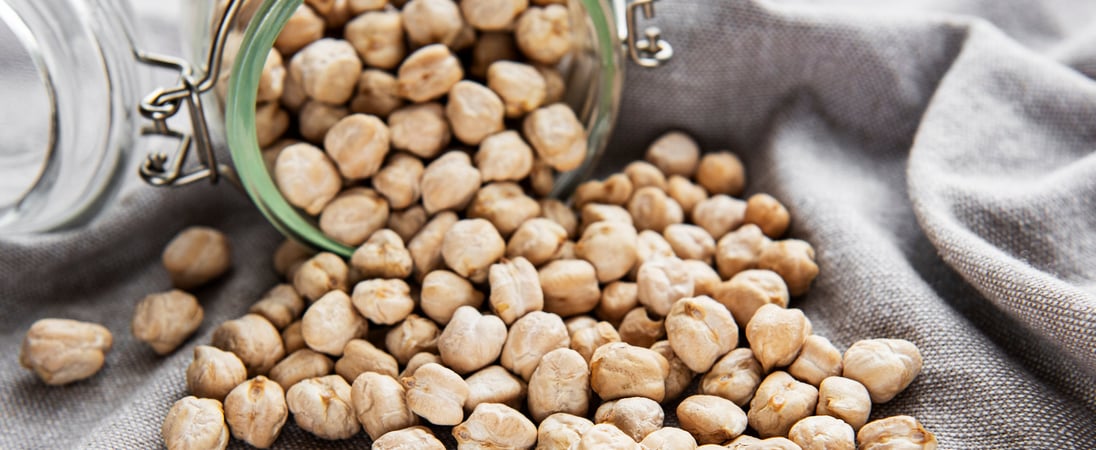
National Chickpea Day is all about celebrating one small bean with big impact. Chickpeas star in dishes around the world, from crispy snacks to creamy dips. They bring flavor, texture, and color to every meal they touch.
This special day brings attention to their role in cooking and how they connect cultures through food. Chickpeas don’t just fill plates—they spark creativity in kitchens and kitchens everywhere feel their charm.
Besides being tasty, they’re also packed with good stuff. They’re full of protein and fiber, helping people stay full and feel strong. They fit easily into plant-based meals and help balance blood sugar, too.
Whether in soups, salads, or spreads, they quietly support a healthy lifestyle. National Chickpea Day reminds us that sometimes, simple ingredients offer the biggest rewards.
How to Celebrate National Chickpea Day
National Chickpea Day offers a delightful opportunity to explore the versatility of this nutritious legume. Here are several engaging ways to celebrate and enjoy chickpeas in your meals.
Whip Up a Homemade Chickpea Dip
Blend cooked chickpeas with tahini, lemon juice, garlic, and olive oil to create a creamy dip. This simple spread pairs well with fresh vegetables or warm pita bread.
Experiment with spices like cumin or paprika to add a personal touch.
Explore International Chickpea Dishes
Try your hand at making dishes like Indian chana masala, Middle Eastern falafel, or Mediterranean chickpea salad.
These recipes showcase the global appeal of chickpeas and introduce diverse flavors to your table.
Roast Chickpeas for a Crunchy Snack
Toss chickpeas with olive oil and your choice of seasonings, then roast them until crispy. This snack is not only tasty but also packed with protein and fiber.
Adjust the spices to suit your palate, whether you prefer savory or spicy flavors.
Incorporate Chickpeas into Baking
Use chickpea flour to bake gluten-free goods like pancakes or flatbreads. Alternatively, add whole chickpeas to cookie dough for a unique twist.
These methods introduce a nutritious element to your baked treats.
Host a Chickpea-Themed Potluck
Invite friends and family to bring their favorite chickpea dishes to share. This gathering encourages culinary creativity and allows everyone to experience the versatility of chickpeas.
From appetizers to desserts, the possibilities are endless.
History of National Chickpea Day
National Chickpea Day began in 2019. A snack brand called HIPPEAS launched it to give the humble chickpea some extra love. Their goal was to promote plant-based food in a fun, easy way.
They wanted more people to discover how chickpeas can power meals and snacks without needing meat or dairy. Since then, the day has gained attention from food lovers, nutritionists, and home cooks alike.
The chickpea itself has a long past. It first grew in ancient farms across the Middle East, parts of South Asia, and the Mediterranean.
Over thousands of years, it spread through trade and travel. People in many places found clever ways to cook it. From stews in Morocco to salads in Italy to curries in India, chickpeas became part of everyday meals.
National Chickpea Day brings that long journey into the spotlight. It’s a chance to recognize this small bean’s big role in global kitchens. It also encourages people to try more plant-based foods.
While it started as a marketing idea, the day now connects people through cooking, health, and culture. It’s not just about snacks—it’s about exploring new tastes, honoring old traditions, and making food that feels good and does good.
Also on ...
View all holidays
National Tea Day
Just because we dumped all that tea in the harbor, doesn’t mean we don’t enjoy the relaxing, warm drink. Visit a Fest-Tea-Val, or simply enjoy a steaming mug of tea.


World Creativity and Innovation Day
View the world in a different way on World Creativity and Innovation Day, by thinking about creative solutions to a problem or engaging with other thinkers and creators.
We think you may also like...
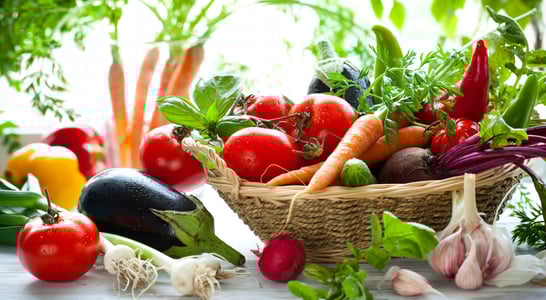
World Vegan Month
Explore a plant-based lifestyle with delicious meatless meals, refreshing juices, and creative recipes. Challenge yourself to eat clean and healthy for 30 days!
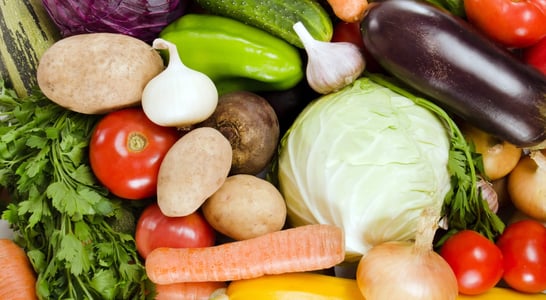
Fresh Veggies Day
Head to a farmer’s market, U-Pick veggie field, or even your own backyard garden and see what delicious and nutritious meals you can make with fresh veggies.
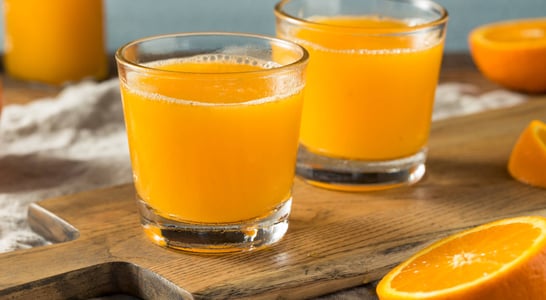
National Fresh Squeezed Juice Day
Packed with vitamins and bursting with flavor, there's nothing quite like a tall glass of fresh squeezed juice!