

Did you know there’s a day dedicated to enjoying clams on the half-shell? National Clams on the Half Shell Day celebrates one of the ocean’s tastiest treats.
Clams, served on the half shell, offer a fresh, salty taste of the sea that seafood lovers adore.
Whether eaten raw with a squeeze of lemon or paired with a savory sauce, these little shellfish have found their way onto menus around the world.
Clams on the half shell bring people together for the love of seafood, often turning casual dinners into memorable events.
The ritual of cracking open a shell and tasting its contents is an experience in itself, one that invites diners to slow down and enjoy.
With their smooth, pearly shells and delicate flavor, clams remind us that some of the best things come in small, unassuming packages.
How to Celebrate National Clams on the Half Shell Day
Host a Clam Feast
Gather friends and family for a seafood party. Set up a table filled with fresh clams on the half shell. Offer a variety of toppings like lemon wedges, hot sauce, and horseradish for a tasty spread.
Add a few side dishes and drinks to complete the experience.
Visit a Seafood Restaurant
No time to cook? Let the professionals take care of the hard part. Visit a local seafood restaurant and order clams on the half shell.
Many places offer them as an appetizer or even as the star of the meal.
Try a New Recipe
Spice things up by experimenting with different clam recipes at home. Try adding an herb butter drizzle or mixing clams with other seafood favorites.
The possibilities are endless and a little creativity can make this day extra special.
Go Clam Digging
For the adventurous, clam digging offers a hands-on way to celebrate. Find a nearby coastal spot where clam digging is allowed. It’s a fun way to enjoy nature and gather clams for your meal at the same time.
Share on Social Media
Snap a photo of your clam creations and share them online. Whether homemade or restaurant-ordered, showing off your seafood feast is a fun way to spread the celebration.
You might even inspire others to join in!
History of National Clams on the Half Shell Day
The origins of National Clams on the Half Shell Day are a bit of a mystery. The first known mention of this holiday dates back to 2001 in Texas, though it likely existed informally before that.
The specific person or group who started the celebration remains unknown.
However, it seems to have grown out of a general appreciation for the simple, fresh taste of clams served on the half shell, especially during the spring season when seafood is a popular alternative during Lent.
Like many food holidays, National Clams on the Half Shell Day has no official government recognition. However, like many food holidays, it has been embraced by seafood lovers.
Over the years, it has gained popularity, with restaurants offering special clam dishes and people hosting home gatherings to enjoy this delicacy. Its appeal lies in celebrating a meal that’s both classic and refreshing, enjoyed by coastal communities and seafood enthusiasts alike.
Facts About National Clams on the Half Shell Day
Clams Can Filter Gallons of Water a Day
Many clam species are powerful natural filters, drawing water in through a siphon and straining out microscopic algae and particles.
A single adult hard clam (Mercenaria mercenaria) in good conditions can filter several liters of water per hour, which means a dense bed of clams can help clarify coastal waters and support seagrass growth by reducing cloudiness in the water column.
Hard Clams Can Live for Decades
The hard clam commonly eaten on the half shell along the U.S. East Coast is a long‑lived bivalve.
Growth-ring and tagging studies suggest many individuals routinely reach 20 years of age in the wild, and some can live for more than 40 years in cooler northern waters, which makes stable clam populations vulnerable to overharvest if they are not carefully managed.
Raw Shellfish Often Carry Vibrio Bacteria
Raw or undercooked clams can naturally harbor Vibrio bacteria that thrive in warmer coastal waters and are not removed by rinsing.
The U.S. Centers for Disease Control and Prevention notes that Vibrio vulnificus and related species can cause severe illness or bloodstream infections, especially in people with liver disease, diabetes, or weakened immune systems, which is why these groups are advised to avoid raw shellfish altogether.
Clam Aquaculture Is a Major Coastal Industry
Clam farming has become an important economic engine for several U.S. states, particularly Virginia and Florida.
NOAA reports that Virginia’s hard clam aquaculture industry alone was valued in the tens of millions of dollars annually in the 2010s, supporting coastal jobs from hatcheries and grow‑out operations to processing and distribution, and helping meet seafood demand without further depleting wild stocks.
American Raw Bar Culture Grew Out of Oyster Saloons
The modern raw bar that serves clams on the half shell has its roots in 19th‑century “oyster saloons” and “oyster cellars” found in port cities like New York and Boston.
Historians of American foodways describe how these establishments started by serving cheap oysters on the half shell to working‑class patrons, then gradually expanded to include clams and other shellfish as refrigeration and rail transport made fresh seafood more widely available.
Clams Help Stabilize Coastal Sediments
By burrowing into sand or mud and constantly moving to feed and respire, clams help mix and stabilize the seafloor.
Marine ecologists have shown that these “bioturbation” activities can influence how nutrients and oxygen move between sediments and overlying water, which in turn affects the productivity of coastal ecosystems and the health of organisms that share those habitats.
Shellfish Consumption Patterns Reflect Seasonal Water Quality
Public health authorities in many coastal states operate shellfish sanitation programs that open and close harvesting areas for clams depending on water quality and season.
State and federal monitoring coordinated under the National Shellfish Sanitation Program tracks bacteria, harmful algal blooms, and pollution, and only clams from approved areas can be sold for raw consumption, which quietly shapes when and where diners can enjoy clams on the half shell.
National Clams on the Half Shell Day FAQs
Are clams on the half shell safe to eat raw, and who should avoid them?
Raw clams can carry bacteria such as Vibrio that may cause serious illness, especially in people with weakened immune systems.
Public health agencies advise that young children, older adults, pregnant people, and anyone with chronic liver disease, diabetes, cancer, or other immune‑compromising conditions should avoid eating raw or undercooked shellfish and choose fully cooked clams instead.
What should people look for when buying clams to eat on the half shell?
Food safety experts recommend buying clams only from reputable suppliers that keep shellfish refrigerated and can show they come from approved harvest areas.
Live clams should have tightly closed shells or close when tapped, smell fresh and mildly briny rather than fishy, and be stored cold and moist until use.
Any clams with cracked shells, strong odors, or that fail to close when tapped should be discarded.
How should clams be handled and stored at home before serving them on the half shell?
Guidelines from seafood and food safety authorities advise keeping live clams refrigerated in a breathable container, such as a bowl covered with a damp cloth, and never sealed in airtight plastic.
They should be kept on ice or at refrigerator temperature, rinsed in cold water just before shucking, and eaten as soon as possible after opening.
Any clams that fail to open during cooking, or that smell off once shucked, should not be eaten.
Are clams on the half shell a healthy choice compared with other protein foods?
Clams are relatively low in fat and calories yet high in protein, and they provide significant amounts of vitamin B12, iron, selenium, and other minerals.
A 100‑gram portion of cooked clams contains about 25 grams of protein and is an excellent source of vitamin B12 and iron, which support red blood cell formation and nervous system function.
Their nutrient density makes them a nutritious option when prepared and eaten safely.
Do clams contain contaminants such as heavy metals or marine toxins?
Like other filter‑feeding shellfish, clams can accumulate contaminants or natural toxins from the waters where they live.
In most developed countries, harvest areas are monitored and closed when levels of pollutants or harmful algal toxins are unsafe, but risks can increase if shellfish are taken from unregulated or polluted waters.
Consumers can reduce exposure by buying from approved sources and following local shellfish advisories.
What is the environmental impact of eating clams on the half shell?
Marine scientists generally consider well‑managed clam fisheries and clam farming to have a relatively low environmental footprint compared with many animal proteins.
Farmed bivalves, including clams, filter phytoplankton from the water instead of requiring feed, and they can help improve local water clarity.
However, impacts vary by region and management practices, so sustainability ratings from independent groups are useful for choosing the most responsible clam sources.
How do different cultures typically prepare and serve clams on the half shell?
Serving clams in the shell is common in many coastal cuisines, but the accompaniments differ.
In parts of the United States and Europe, raw clams on the half shell are often served chilled with lemon, vinegar‑based mignonette, or cocktail sauce, while Italian and Mediterranean traditions frequently feature lightly cooked clams in their shells with garlic, olive oil, and herbs.
In East Asian cuisines, clams are more often briefly steamed or grilled in the shell and seasoned with soy sauce, sake, or aromatics rather than eaten completely raw.


You may also like
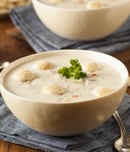
National Clam Chowder Day
It's like a warm, creamy ocean hug for the taste buds, rich with the essence of the briny deep, bringing comfort in every spoonful.
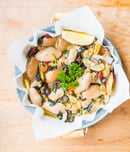
National Deep Fried Clams Day
National Deep Fried Clams Day, celebrated on November 1st each year, is a delicious occasion that seafood lovers eagerly await. This special day highlights the joy of deep-frying clams, a favorite dish in American cuisine for over a century. Originating in the northeastern United States, particularly New England, the tradition...
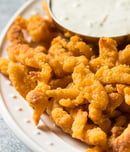
National Fried Clam Day
Deliciously crunchy and filled with fresh seafood flavor, fried clams are a New England staple. And people from the rest of the world can enjoy them too, of course, especially on National Fried Clam Day! How to Celebrate National Fried Clam Day Spend National Fried Clam Day paying homage to...
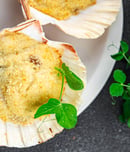
National Coquilles Saint Jacques Day
Celebrate National Coquilles Saint Jacques Day by savoring creamy scallops, French culinary tradition, and elegant recipes to cook, share, and enjoy.
National days and holidays on March 31 2027

March Madness
Get your game face on for March Madness! This high-energy tournament is a slam dunk of excitement, passion, and heart-pumping action. So grab your team colors, gear up for the showdown, and let the madness begin!
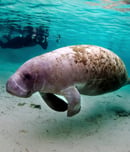
Manatee Appreciation Day
Gentle giants of the sea, these lovable creatures spend their days munching on seagrass and swimming in crystal clear waters.

National Governance Professionals Day
National Governance Professionals Day spotlights the people who keep organizations from veering into chaos, controversy, or “Wait, are we allowed to do that?” territory. Governance professionals work behind the scenes to make sure decision-making is structured, ethical, and properly documented, whether the setting is a corporation, nonprofit, association, or public...

Dance Marathon Day
Dance Marathon Day bursts to life with music, movement, and purpose. It’s not just about dancing, it’s about showing up for something bigger and doing it with sore calves and a grin. People come together, often in teams, ready to groove for hours at a time, turning a simple dance...
Seize Every Day
Join free for personalised recommendations, email reminders and exclusive guides. Never miss a day.