

National Coquilles Saint Jacques Day celebrates one of the most elegant and beloved dishes in French cuisine, a baked scallop classic that feels equal parts comfort food and special-occasion splendor.
This day honors not only the dish itself but also the careful, time-tested habits that make French cooking so satisfying: good ingredients, thoughtful technique, and a little patience while something delicious turns bubbly and golden in the oven.
Whether it’s enjoyed in a restaurant or made at home, Coquilles Saint Jacques invites food lovers to slow down and savor the craft behind a truly iconic plate.
It also brings a taste of France to any table without requiring a passport. Served in its signature shell shape and crowned with a gratinéed top, it has a way of making dinner feel dressed up, even when the cook is wearing socks and an apron.
How to Celebrate National Coquilles Saint Jacques Day
Here are some fun ways to make National Coquilles Saint Jacques Day an enjoyable and memorable occasion. Dive into these ideas and get inspired to celebrate the French classic in creative ways!
Cook Like a French Chef
Try preparing a homemade version of Coquilles Saint Jacques. It’s easier than it sounds, but it benefits from a bit of care and attention. At its core, it’s scallops in a rich, savory cream sauce, finished with a crisp, golden topping and baked until everything blends into a comforting, elegant dish.
To begin, gather scallops, mushrooms, butter, shallots (or onion), cream, and a dry white wine or broth. Many variations are completed with grated cheese and breadcrumbs, sometimes with a hint of lemon or Dijon mustard to keep the flavors balanced. The scallops are usually briefly sautéed first, not fully cooked, just lightly seared so they remain tender during baking.
A few professional tips can make a real difference:
- Dry the scallops thoroughly before cooking. Excess moisture prevents browning. Pat them dry with paper towels so they sear properly instead of steaming.
- Avoid overcooking. Scallops can quickly become rubbery. In most Coquilles Saint Jacques recipes, the oven finish is enough to cook them perfectly.
- Let the sauce support, not overpower. Cook mushrooms until their liquid evaporates and they begin to brown. This concentrated flavor keeps the dish rich without being dull.
- Select your topping carefully. Breadcrumbs add texture; cheese adds depth. A combination of both often gives the best result.
Even if cooking isn’t your strong point, this dish is worth trying because it follows clear steps and looks impressive. It builds confidence: sauté, simmer, assemble, bake, and suddenly your kitchen feels like a small French bistro.
For a practical variation, it can easily be made without scallop shells. Oven-safe ramekins, gratin dishes, or even a muffin tin for smaller portions can recreate the same idea.
Host a Seafood Feast
Invite friends or family for a French-inspired seafood dinner and let Coquilles Saint Jacques take center stage. A seafood feast doesn’t need to be complicated; it just needs thoughtful balance and timing.
A simple way to structure the meal:
- Start fresh and light. A crisp salad with a tangy vinaigrette, shaved fennel, or citrus helps balance the richness of the main dish.
- Keep sides simple. Since Coquilles Saint Jacques is already creamy and rich, lighter sides work best: steamed green beans, roasted asparagus, sautéed spinach with garlic, or a fluffy rice pilaf.
- Include good bread. A warm baguette-style loaf or crusty bread is perfect for soaking up the sauce.
To expand the menu, add a few more seafood options, but avoid heavy sauces. Think chilled shrimp with a bright dip, mussels in a light broth, or roasted fish with lemon and herbs. The goal is a cohesive coastal feel, not too many competing flavors.
Keep the atmosphere relaxed but elegant with simple touches: cloth napkins, a candle, and serving dishes that highlight the golden crust. The dish already has presence—it doesn’t need much more.
Go on a Culinary Adventure
For those who prefer dining out, booking a table at a French restaurant turns the experience into a small culinary journey. Coquilles Saint Jacques can differ depending on the chef’s approach and regional influences, making it a great way to explore its variations.
When reading a menu, look for clues about the style:
- Some versions are traditional, with mushrooms, white wine, cream, and a browned topping.
- Others are modern, using herbs like tarragon or chives, citrus notes, or lighter presentation.
- Some are luxurious, including lobster, roe, or richer sauce reductions.
Pairing it with other French classics like onion soup, a crisp salad, or a buttery potato dish shows how French cuisine balances richness with freshness.
For a fun experience, treat it like a tasting: pay attention to the scallops’ texture, the balance of the sauce, and the crispness of the topping. The best versions feel indulgent without being heavy.
Learn from the Masters
Consider joining a cooking class focused on French cuisine. Many chefs and schools offer sessions on seafood or classic sauces, and Coquilles Saint Jacques is perfect for learning key techniques without feeling overwhelming.
A class can help you understand:
- How to sear scallops correctly without sticking or overcooking.
- How to develop flavor from mushrooms and aromatics.
- How to thicken sauces using different methods.
- How to achieve a perfect gratin with a golden, crisp top.
Even practicing at home with a guided video can improve your skills. This dish encourages good habits: tasting as you cook, seasoning gradually, and respecting timing.
For those avoiding dairy, adaptations are possible, such as using plant-based cream or focusing more on wine reduction and aromatics. The result changes slightly, but the essence remains the same.
Share the Love Online
Take a photo of your Coquilles Saint Jacques, whether homemade or from a restaurant, and share it on social media. It’s a naturally photogenic dish with its layered textures and golden finish.
Some ideas to make it more engaging:
- Share a “before and after” of the dish going into and coming out of the oven.
- Mention what made the biggest difference, like properly drying the scallops or adding a squeeze of lemon.
- Capture the moment when the spoon breaks through the crispy topping.
You can also share variations, such as gluten-free toppings, alcohol-free versions, or creative serving styles. The focus is on inspiration, not perfection.
More About National Coquilles Saint Jacques Day
Coquilles Saint Jacques features tender scallops gently cooked in a rich, creamy sauce, often with mushrooms and a touch of white wine. It’s usually topped with cheese and breadcrumbs, then baked until golden and crisp.
The name means “St. James shells,” and the dish is traditionally served in a scallop shell or a shell-shaped dish. This presentation adds both charm and practicality, holding heat well and enhancing the overall experience.
At its best, the dish balances contrasts:
- Delicate scallops with a natural sweetness.
- Smooth, flavorful sauce that is rich but not overwhelming.
- Earthy mushrooms that add depth.
- A crisp topping that provides texture and a toasted finish.
Scallops themselves are prized for their mild sweetness and soft texture when cooked correctly. They pair beautifully with a creamy sauce, especially when balanced with acidity from wine, lemon, or mustard.
There are many variations. Some include cheese for extra richness, while others rely on buttered breadcrumbs. Some add herbs like parsley or tarragon, or seafood stock for a deeper flavor. In some kitchens, the dish is finished under a broiler for a quick, dramatic crust.
It can be served as a starter or as a main dish with simple sides, making it both versatile and impressive.
For home cooks, it’s also practical: much can be prepared in advance, then assembled and baked just before serving, making entertaining easier.
Adaptations include:
- Alcohol-free version: Replace wine with broth and a bit of lemon juice or mild vinegar.
- Gluten-free topping: Use gluten-free breadcrumbs, crushed crackers, or chopped nuts.
- Lighter dairy option: Use a lighter cream alternative, though the texture will differ.
The beauty of Coquilles Saint Jacques lies in its simplicity—just a few ingredients, carefully combined to create something elegant.
National Coquilles Saint Jacques Day Timeline
Scallop Shell as Symbol of Saint James
The scallop shell, known as “coquille Saint-Jacques” in French, becomes the emblem of Saint James and a badge worn by pilgrims traveling to Santiago de Compostela. Its religious and cultural importance later influences the naming of scallop dishes in France.
French Word “Coquille” Enters Culinary Use
As French culinary vocabulary develops in the late Middle Ages and Renaissance, “coquille” (shell) begins to appear in cookery language for foods presented in natural shells or shell‑shaped molds, setting the stage for shell‑baked seafood preparations.
“Coquilles de Poisson” in Carême’s Haute Cuisine
Marie‑Antoine Carême’s influential work “Le Cuisinier Parisien” includes recipes for “coquilles de poisson,” refined fish and seafood mixtures baked and served in shells, an early codification of the gratinéed shell presentation that would later define Coquilles Saint Jacques.
Escoffier Codifies Gratinated Shellfish
Auguste Escoffier’s “Le Guide Culinaire” standardizes numerous preparations of shellfish and fish “en coquille,” including scallops in white wine and cream sauces and finished under the broiler, helping to popularize the elegant, shell‑baked style in French haute cuisine.
Rise of Coquilles Saint Jacques as Classic Bistro Dish
By the mid‑1900s, French restaurant culture embraced Coquilles Saint Jacques as a hallmark starter: scallops in a rich wine, mushroom, and cream sauce, gratinéed with cheese and breadcrumbs in their shells, appearing widely in bistros, brasseries, and hotel dining rooms.
Julia Child Brings Coquilles Saint Jacques to American Home Cooks
In “Mastering the Art of French Cooking,” Julia Child includes several scallop dishes and teaches American readers classic French techniques like sautéing in butter, making velouté and wine‑based sauces, and gratinating in shells, helping popularize restaurant‑style Coquilles Saint Jacques at home.
Protected Name for French Scallops
European regulations grant “Label Rouge” and protected designations to certain French scallops, such as “Coquille Saint‑Jacques de Normandie,” underscoring the cultural and culinary prestige of scallops in France and reinforcing the association between high‑quality scallops and traditional dishes like Coquilles Saint Jacques.
History of National Coquilles Saint Jacques Day
National Coquilles Saint Jacques Day celebrates a well-known French dish and the traditions behind it. It highlights a preparation that has become one of the most recognized ways to serve scallops in French cuisine.
The name “Coquille Saint-Jacques” refers to the scallop shell linked to Saint James, a symbol associated with European pilgrimage. Over time, this symbol became part of cultural and culinary traditions, and the shell became a recognizable icon.
As French cuisine developed its structured techniques, dishes like this reflected key elements: layered flavors, carefully built sauces, and a crisp gratin finish.
The dish also reflects practical cooking. Scallops cook quickly and pair well with common ingredients like mushrooms, butter, and herbs. Baking them in sauce helps retain moisture and flavor when done correctly.
As French cooking spread globally, Coquilles Saint Jacques became a popular “special occasion” dish. It strikes a balance: elegant but approachable, refined but achievable.
This day celebrates that lasting appeal. It’s a chance to revisit a classic, practice useful techniques, and enjoy a dish that combines tradition with simple culinary pleasure.
Fascinating Facts About Coquilles Saint Jacques and Its Origins
Behind the elegance of Coquilles Saint Jacques lies a rich blend of history, culture, and natural science.
From ancient pilgrimage symbols to the unique biology of scallops and classic French cooking techniques, these facts reveal how this iconic dish connects tradition, nature, and culinary artistry.
Pilgrim Shells and the Legacy of Saint James
The scallop shell linked to Coquilles Saint Jacques has been a symbol of pilgrimage to the shrine of Saint James in Santiago de Compostela since at least the Middle Ages.
Pilgrims walking the Camino traditionally wore or carried a shell as proof of their journey and as a sign of spiritual protection, and the shell still appears today on waymarkers and badges along the routes through France and Spain.
The European King Scallop’s Long Lifespan and Growth
The main species behind classic French scallop dishes, the European king scallop (Pecten maximus), is a relatively slow‑growing bivalve that can live more than 20 years and reach shell lengths exceeding 15 centimeters.
Its growth rate and late maturity make careful fishery management crucial, since heavy fishing on younger age classes can quickly deplete local stocks.
Scallops Swim by Clapping Their Shells
Unlike many other shellfish served in French cuisine, scallops are active swimmers.
They rapidly clap their shells together to force jets of water out near the hinge, propelling themselves through the water to escape predators such as starfish, a behavior that has been documented both in the wild and in laboratory studies of bivalve locomotion.
Classical French Gratins and the Art of “Gratiné”
Coquilles-style presentations of seafood sit within a broader French technique known as “gratiné,” where ingredients are coated with a sauce, topped with breadcrumbs or cheese, and browned under high heat.
Auguste Escoffier’s early 20th‑century manuals codified many variations of seafood gratins, showing how this method was used to add texture and concentrated flavor to delicate fish and shellfish.
The Role of “Sauce Normande” in Seafood Cookery
Many traditional French scallop preparations draw on a family of cream- and butter-rich sauces often grouped under the term “sauce normande,” associated with the dairy-producing region of Normandy.
Classical culinary references describe these sauces as based on fish stock and dry white wine or cider, reduced and enriched with cream, providing a luxurious base for dishes featuring shellfish like scallops.
Scallops as a Lean Yet Nutrient-Dense Protein
Scallops are considered a lean source of animal protein, offering around 20 grams of protein per 100-gram serving while remaining low in total fat.
They also supply notable amounts of vitamin B12, selenium, and zinc, nutrients that support red blood cell formation, antioxidant defenses, and immune function, which has led many health authorities to list them among nutrient-dense seafood choices.
Certification and Sustainability in Scallop Fisheries
Some North Atlantic scallop fisheries, including dredge and trawl operations, have obtained certification from the Marine Stewardship Council after demonstrating that stock levels are healthy, environmental impacts are managed, and bycatch is minimized.
These programs use independent scientific assessments and periodic audits to encourage more sustainable harvesting of scallops used in high-end dishes worldwide.
National Coquilles Saint Jacques Day FAQs



You may also like
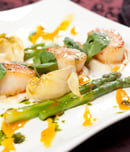
National Baked Scallops Day
Imagine a plate, ocean jewels nestled in golden perfection, a bite that's a dance of buttery, briny delight - pure culinary magic.
- Canada
- France
- United Kingdom
- and 1 more

National Fried Scallops Day
Seafood, served fresh and piping hot, is the name of the game when it comes to National Fried Scallops Day! History of National Fried Scallops Day Scallops are a category of molluscs that are often otherwise known as saltwater clams. This seafood can be cooked in a variety of ways...
- Canada
- United Kingdom
- United States
National Mushroom Day
With so many different varieties, these little fungi are a fantastic source of nutrients and add a delicious umami flavor to any dish.
- Australia
- Canada
- United Kingdom
- and 1 more

National Stuffed Mushroom Day
Mouthwatering, bite-sized delights, bursting with savory goodness — the perfect appetizer for any occasion.
- United States
National days and holidays on May 16

Preakness Stakes
The Preakness Stakes, staged at Pimlico Race Course in Baltimore each year, sits at the heart of American thoroughbred racing tradition. It is the middle jewel of the Triple Crown, which means it carries all the pressure of a “what happens next?” chapter: contenders arrive with big reputations, some chasing...
- United States

Cannes Film Festival
The Cannes Film Festival is one of the most glamorous and important events in the film industry. Held annually in the beautiful city of Cannes on the French Riviera, this festival draws the biggest names in cinema, from directors to actors. The red carpet is a dazzling display of style...
- France
National Barbecue Day
From hot dogs and hamburgers to pineapple and vegetables, there’s something for everyone at a barbecue. Gather your friends and family and get grilling.
- Australia
- Canada
- South Africa
- and 2 more

National Stationery Week
Sharpen your pencils and break out your fine pens, and take this excuse to use some fancy stationery. Write a loved one, find a pen pal, or even make your to-do list.
Seize Every Day
Join free for personalised recommendations, email reminders and exclusive guides. Never miss a day.