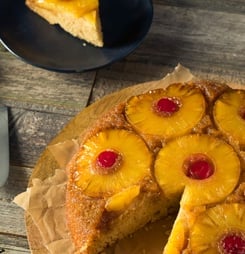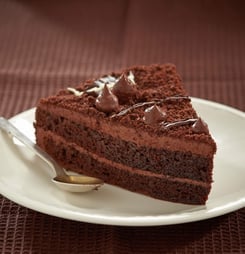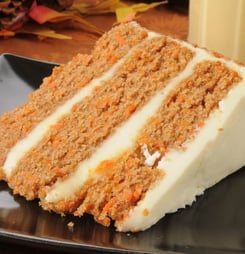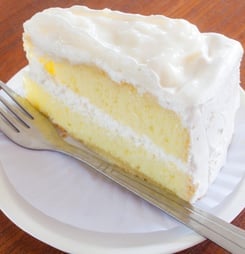

Whether it’s a sponge cake that is actually flavored with coffee in the European tradition, or a more modern American version that simply refers to a sweet cake that is meant to be eaten while drinking coffee, there’s no question that coffee cake is a delightful treat that anyone can enjoy.
Take some time on this National Coffee Cake Day to bring some attention and honor to this scrumptious baked specialty!
Get inspired to celebrate National Coffee Cake Day with these hand-picked videos! From mouth-watering recipes to fun trivia and creative decorating tips, these videos will help you make the most of this delightful day.
How to Celebrate National Coffee Cake Day
A delicious and delightful day to get involved with, National Coffee Cake Day offers all sorts of ideas and opportunities for anyone to celebrate. Get started with some of these:
Bake Some Coffee Cake
Actually, as cakes go, coffee cakes are typically a fairly simple recipe that doesn’t require a great deal of fuss. In modern times, many recipes allow them to be made with a simple cheat by using a boxed cake mix and then adding some other ingredients.
From cinnamon and brown sugar streusel to fruit and jams, coffee cakes offer a wide range of enjoyment for different tastes, preferences and dedicated sweet tooths.
Other options for National Coffee Cake Day might include using a sourdough starter, trying it with cornmeal or spelt, or even adding some ricotta cheese to the mix.
Those who are experts in the kitchen might want to take this opportunity to make up their own signature coffee cake recipe by exploring a number of different varieties.
Host a Coffee Cake Party
Once that favorite coffee cake recipe has been perfected, perhaps it would be fun to celebrate National Coffee Cake Day by inviting some friends over for a little celebration of the day.
This could be a simple gathering of friends to enjoy some coffee cake made by the host, or it could be a more competitive affair where everyone makes their best recipe and it turns into a coffee cake bake-off.
Whatever the case, the best part about it is that there will always be more coffee cake to eat!
History of National Coffee Cake Day
Coffee cake brings along with it a tradition that likely dates back to 17th century Germany. Originally, these cakes would have been made with coffee as an actual ingredient.
These might have been baked in two circular layers, separated by deliciously sweet coffee butter icing and perhaps topped with walnuts.
In the more recent American tradition, coffee cakes are often made in a single layer, flavored with cinnamon or perhaps some fruit.
They may contain streusel which is the German word for “sprinkling”, that often indicates the presence of a topping made from butter, sugar and flour.
But, even though the name is coffee cake, these typically don’t contain coffee at all. Presumably, the name comes from the fact that these cakes are meant to be served as an accompaniment to coffee.
National Coffee Cake Day was founded with the purpose of calling attention to the delightful simplicity of these cakes and paying them the respect that they deserve!
Sweet Facts About the History of Coffee Cake
Coffee cake has a long and flavorful story that stretches across centuries and cultures.
What many people enjoy today as a soft, crumbly dessert actually grew from European baking traditions and social customs built around sharing coffee.
The following facts explore how coffee cake evolved from simple yeasted breads into the beloved treat often served with a warm cup of coffee.
Coffee Cake Began as Yeasted Bread, Not Batter Cake
Early “coffee cakes” in German-speaking Europe were closer to enriched breads than to modern sponge cakes.
Food historians and specialty bakeries point out that 17th‑century Kaffee kuchen typically used yeast, flour, eggs, and butter, and were shaped as loaves or rings before later evolving into the tender, chemically leavened cakes familiar in the United States.
Germany Was Likely the First to Pair Coffee and Cake
Coffeehouses spread rapidly across German cities like Wuppertal and Hamburg in the late 1600s, and several food-history surveys credit Germany as the first country where serving cake specifically alongside coffee became a distinct custom rather than an occasional indulgence.
This pairing laid the foundation for what English speakers later labeled “coffee cake.”
The “Streusel” Crumb Topping Has Deep German Roots
The crumbly topping that defines many American coffee cakes comes from the German baking tradition of Streuselkuchen.
In this style, a simple yeasted base is covered with a “streusel” mixture of flour, sugar, and fat that bakes into crisp, irregular crumbs, a technique that immigrant bakers later adapted to American-style batter cakes.
Kaffee und Kuchen Became a Daily Social Ritual in Germany
By the 18th and 19th centuries, Germans had turned afternoon “Kaffee und Kuchen” into a near-institutional custom.
Articles on German food culture describe families and friends gathering between about 3 and 5 p.m. for coffee, homemade cakes, and conversation, with terms like Kaffeeklatsch (“coffee gossip”) capturing the importance of cake in everyday social life.
Immigrants Helped Transform Coffee Cake into an American Staple
German and Dutch immigrants carried their coffee bread and streusel traditions to the United States in the 19th century.
By the late 1800s, American cookbooks were publishing “coffee cake” recipes that mixed Old World yeast breads with New World ingredients and techniques, eventually producing the cinnamon‑and‑crumb versions that became common in American home baking.
Coffee Cake Earned Its Own Sections in 20th‑Century Cookbooks
Food-history research shows that American cookbooks initially filed coffee cakes with breads, but by the early 20th century, many had created separate “coffee cake” chapters.
By the mid‑1900s, there were even dedicated coffee cake booklets, signaling that these cakes had become a recognizable category in their own right rather than just another type of sweet bread.
“Crumb Cake” Is a Direct Descendant of Streuselkuchen
The dense, tall-crumbed cakes often sold in American bakeries and diners as “crumb cake” closely trace back to German Streuselkuchen.
Historical overviews note that immigrant bakers increased the proportion of streusel relative to the cake base, gradually turning the topping into a thick layer that could be as deep as, or deeper than, the cake itself.