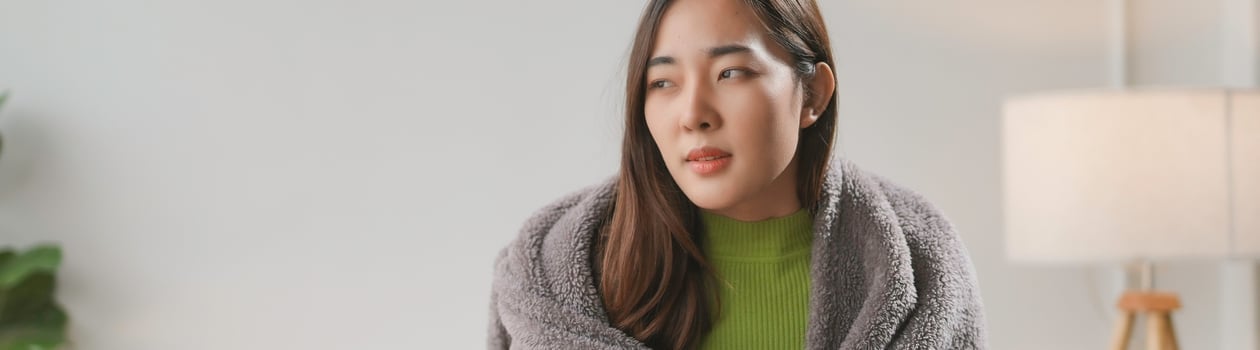
When the Comfy was first introduced to the world on the American television show Shark Tank, it sounded like a gag gift that somehow wandered onto prime-time TV. Instead, it landed like a warm hug.
A few minutes of screen time turned an oversized, wearable blanket-sweatshirt into a pop culture comfort object, the kind people reach for when they want to turn a regular day into a softer one.
Basically, a wearable version of a supersoft microfleece blanket, the Comfy has a hood, a front pocket and is lined with fuzzy, fleecy sherpa goodness. It is intentionally roomy, designed to drape more like a blanket than fit like a tailored hoodie.
That oversized cut is part of the point: it keeps air pockets for warmth, fits a range of body types, and makes “borrowing it” from someone else both tempting and suspiciously easy.
With the tagline “The original Comfy: The Blanket…That’s a Sweatshirt”, this product took the world by storm and now it has its own day worth celebrating! National Comfy Day leans into a simple idea: comfort is not frivolous.
It is a legitimate mood, a practical strategy for rest, and sometimes the difference between slogging through chores and actually enjoying them. While the Comfy brand is the clear mascot, the spirit of the day is bigger than one item. It is about turning down the scratchy, stiff, and fussy parts of life, at least for a little while.
How to Celebrate National Comfy Day
Enjoy all things comfortable and delightful in celebration of National Comfy Day! Have fun enjoying the day with some of these ideas:
Get Comfy!
National Comfy Day is an invitation to slow down and dress for how you actually want to feel. Whether that means a giant blanket sweatshirt or your most trusted, worn-in basics, the point is simple: choose comfort intentionally and let the day be easier on your body and mind.
One of the most important parts of National Comfy Day is to be sure to wear something utterly comfortable and cozy.
That could be a giant fleece blanket sweatshirt, of course. Or it could be something else that brings out the comfortable vibes. Yoga pants. A favorite t-shirt. Those perfectly worn-in sweatpants. No matter what it is, wear it in celebration of the day!
To make the “get comfy” assignment feel less like a cliché and more like a craft, it helps to think in layers and textures. Comfort often comes down to a few details people notice only when they are wrong: seams that rub, waistbands that pinch, socks that slide, sleeves that twist, fabric that overheats. National Comfy Day is a good excuse to curate a personal comfort uniform on purpose.
A few comfort-forward ideas:
- Choose one anchor item: an oversized hoodie, a blanket sweatshirt, a thick cardigan, or a plush robe. Build around it with softer basics.
- Think about temperature swings: comfort is easier when layers can come on and off without effort. A breathable tee under something fuzzy can prevent that “too warm, now too cold” spiral.
- Upgrade the small stuff: fluffy socks, slippers with support, or a beanie for drafty rooms can make a big difference without changing the whole outfit.
- Let movement be the test: comfort is not just how something feels standing still. Sit, reach, bend, curl up, and stretch. If it still feels good, it passes.
The day can be a tiny permission slip to simplify. Hair can stay natural. Makeup can stay minimal. The goal is not to look like a fashion ad for relaxation; it is to actually relax.
Comfort can also be shared without turning it into a performance. If someone else in the household is running around in “productive clothes,” the Comfy vibe can be offered gently: a warm drink, a spare blanket, a reminder to take a break. Sometimes the comfiest move is making comfort normal.
Get A Comfy
Getting comfy and getting a Comfy are not quite the same thing. In this case, “getting a Comfy” means leaning into the specific blanket-sweatshirt phenomenon that the world has collectively gone a little bonkers over.
Beyond the classic oversized look, the Comfy now comes in a huge range of colors and styles. There are versions themed around sports teams, holidays, Disney, Star Wars, Marvel, and plenty of other pop-culture favorites. For some people, that playful design element is part of the appeal: comfort, with a side of personality.
For anyone who likes a bit of logic behind an indulgence, it helps to understand why the blanket sweatshirt works so well. A regular blanket slips off the shoulders the moment someone reaches for a mug, a book, or the remote.
A standard sweatshirt keeps the arms free but never delivers that full-body drape. The Comfy bridges the gap. The body stays wrapped, the arms can move easily, and the hood adds warmth where people often lose heat first.
A few practical things to consider when choosing one:
- Weight and warmth: Some people want maximum insulation for chilly rooms, while others prefer a lighter option that still feels plush. Many blanket sweatshirts are made in both heavier and lighter versions for exactly that reason.
- Size and shape: Oversized is the point, but proportions still matter. Those who like to curl their legs up inside the garment may prefer a longer cut, while others might want something shorter that does not drag when walking around.
- Pocket design: The giant front pocket is not just cute. It keeps hands warm, holds a phone, or gathers small essentials like lip balm and snacks. Some designs even lean fully into the kangaroo-pouch energy.
- Care routine: Fleece and sherpa are usually easy to maintain, but comfort lasts longer with gentle washing and lower heat. If something is meant to be worn constantly, it should be easy to clean without turning into a chore.
National Comfy Day is also a good moment to think about comfort as an environment, not just an outfit. A Comfy pairs best with a “soft setup”: a favorite chair, a good reading light, a side table within reach, and a blanket or pillow that does not need constant fluffing.
Sometimes a cozy upgrade is as simple as moving a lamp closer or keeping a basket of throw blankets where they are easy to grab.
Gift a Comfy
In honor of National Comfy Day, giving comfort as a gift is very much on theme. Picking one up in-store or ordering online for that friend or family member who is always cold is a simple way to offer something genuinely enjoyable. Being wrapped in soft fleece is a small luxury that gets used again and again.
Comfort gifts work best when they are thoughtful rather than generic. The coziest present is usually the one that fits someone’s daily habits, not just the trend.
A few ways to match the gift to the person:
- The always-cold person: a thicker, sherpa-lined option, maybe paired with cozy socks for extra warmth.
- The movie marathon expert: something with a huge pocket for snacks and a hood that signals serious “do not disturb” energy.
- The early riser: a wearable blanket is ideal for quiet mornings before the house or the weather fully wakes up.
- The work-from-home creature: comfort that still looks presentable on video calls is a real win. Solid colors and simpler designs feel more daytime-friendly while staying soft.
- The stressed-out student: anything that turns study breaks into real breaks is a thoughtful kindness.
Presentation helps make even a single-item gift feel intentional. Rolling it neatly with a ribbon, adding a hot cocoa packet, or pairing it with a paperback book turns “here’s a warm thing” into “here’s a whole cozy plan.”
It can also work beautifully as a group gift: one person brings the wearable blanket, another supplies snacks, and another picks a movie or game.
And for anyone who prefers not to gift a specific style, the spirit of National Comfy Day still holds. A plush throw, a soft robe, supportive slippers, or a high-quality hoodie all send the same message: comfort is allowed, and it’s worth sharing.
National Comfy Day Timeline
Birth of the Modern Sweatshirt
American sportswear companies developed the cotton fleece crewneck sweatshirt as practical training wear for athletes, setting the template for soft, roomy tops worn for warmth and comfort.
Hooded Sweatshirt Emerges as Work and Warmth Gear
The hooded version of the sweatshirt was introduced by Champion and others for laborers and athletes needing extra protection from the cold before slowly spreading into casual wear.
Hoodies Become Everyday Casual Comfort
College students, runners and hip‑hop culture help move hoodies from the gym and job site into mainstream streetwear, cementing them as relaxed, comfort‑first clothing.
Invention of Modern Polyester Fleece
Malden Mills (later Polartec) and Patagonia collaborate to create synthetic pile fleece, a warm, lightweight, quick‑drying fabric that quickly becomes a staple for cozy jackets, pullovers and blankets.
Development of Microfleece for Softer Warmth
Textile makers refine polyester fleece into lighter, finer “microfleece,” making blankets, loungewear and linings softer and more comfortable while still insulating well.
Snuggie Popularizes the Wearable Blanket
The Snuggie blanket with sleeves launches a wave of infomercials and becomes a pop‑culture phenomenon, familiarizing consumers with the idea of wrapping up in a blanket-like garment while lounging.
Wearable Hoodie Blankets Hit Prime Time
Brothers Brian and Michael Speciale pitch The Comfy, an oversized hooded sweatshirt lined with soft fleece, on ABC’s “Shark Tank” Season 9, helping establish the hoodie‑blanket hybrid as a mainstream comfort item.
History of National Comfy Day
The Comfy is a sweatshirt-and-blanket hybrid created by two brothers, Brian and Michael Speciale, through their company, The Comfy Bros.
The product debuted in 2017, just before the brothers appeared on the reality business television show Shark Tank, where they pitched it as an oversized wearable blanket and ultimately struck a deal with investor Barbara Corcoran.
The idea for The Comfy came from an everyday moment. One of the brothers noticed his nephew sleeping inside one of his dad’s old sweatshirts, completely swallowed by the fabric like a hoodie-blanket hybrid.
The obvious question followed: why doesn’t this exist for adults? He shared the thought with his brother, and they decided to make it real. It was a classic lightbulb moment, an ordinary scene that suddenly looked like a prototype.
Timing played a role as well. Wearable blankets had already proven they could capture attention. In the late 2000s, sleeved blankets like the Snuggie became famous for their over-the-top infomercials and slightly ridiculous look.
They solved a real problem—cold arms—but the aesthetic became part of the joke. People loved them, mocked them, and bought them anyway.
What made The Comfy feel like a next step was a subtle but important shift in silhouette. Instead of a blanket with sleeves, it looked like a sweatshirt that happened to be a blanket. That familiarity mattered.
Clothing that resembles something people already wear is easier to use around others, easier to gift without hesitation, and easier to imagine as part of everyday life.
The design leaned into features people genuinely want when lounging:
- A hood, adding warmth and reinforcing the hoodie feel
- A large front pocket, practical for hands, phones, or small essentials
- Plush, layered fabrics, combining a soft exterior with a fuzzy lining for maximum coziness
As the product line expanded, so did the idea of what “comfy” could look like. New colors, patterns, and themed designs—teams, characters, seasons—turned blanket sweatshirts into something expressive rather than purely practical. Comfort started to feel collectible, even personal.
National Comfy Day itself appeared a few years later, first observed in 2021. By then, comfort had taken on a larger cultural role. Casual wear was more accepted, home life mattered more, and small rituals that made daily routines gentler had real appeal.
A day devoted to being comfortable fits neatly into that mindset. It celebrates a specific product, yes, but it also celebrates the broader idea that rest and coziness are worth planning for.
And since the day honors something that is half sweatshirt and half blanket, it makes perfect sense that National Comfy Day lands during the darker, colder stretch of the year.
Whenever the air feels chilly, the couch looks inviting, or the to-do list feels loud, the spirit behind The Comfy offers a simple reminder: comfort doesn’t have to be accidental. It can be intentional.
Why Wearable Blankets Feel So Good
These facts explain the science and cultural history behind modern comfort fabrics and wearable blankets. From how fleece and sherpa are engineered to trap warmth to the innovations that made them lighter and easier to care for, they show why blanket sweatshirts work so well—and how they evolved from outdoor gear and pop-culture experiments into everyday cozy essentials.
Microfleece Traps Warmth by Mimicking Animal Fur
Microfleece, the soft outer fabric used in many wearable blankets and loungewear pieces, is engineered from very fine polyester fibers that create thousands of tiny air pockets, working much like animal fur to trap body heat while staying lightweight.
Compared with traditional wool, high‑quality polyester fleece can retain much of its insulating ability even when damp, which is one reason it became popular both in outdoor gear and in cozy indoor garments in the late 20th century.
Sherpa Fleece Was Designed to Imitate Sheepskin Without the Weight
Sherpa fleece, often used as the fuzzy lining in hooded blankets and oversized sweatshirts, was developed as a synthetic stand‑in for shearling and lambswool, usually made from polyester or polyester–acrylic blends.
The curled pile on one side of the fabric creates a lofty, wool‑like layer that feels plush against the skin but weighs significantly less than real sheepskin and is easier to wash at home, which helped it spread from workwear into blankets and casual loungewear.
Modern Fleece Was Born From a Partnership Between Patagonia and Malden Mills
The synthetic fleece that underpins much of today’s comfy clothing traces back to the late 1970s, when outdoor brand Patagonia worked with textile maker Malden Mills (now Polartec) to adapt polyester pile fabric into a warm, breathable, non‑pilling material. Their 1981 “Synchilla” fleece quickly replaced heavy wool in many jackets and pullovers, and the technology later filtered into mass‑market blankets and at‑home leisure garments.
The Snuggie Turned Wearable Blankets Into a Pop‑Culture Phenomenon
Before today’s hoodie‑style blanket garments took off, the Snuggie, introduced in 2008, made the idea of a blanket you wear on your body into a mainstream fad through low‑budget infomercials and tongue‑in‑cheek marketing.
At its peak, more than 20 million Snuggies were reportedly sold in about two years, and the product spawned parody songs, pub crawls, and knockoffs, paving the way for more streamlined wearable‑blanket designs that followed.
Comfort Clothing Can Act as a Psychological “Security Blanket”
Research in fashion psychology suggests that people often reach for soft, loose‑fitting garments on stressful days because these items function as a form of “self‑soothing,” similar to a childhood comfort object.
One survey of British adults found that participants were more likely to wear old, cozy clothes when feeling low, and described them as helping them feel “safe” and “relaxed,” supporting the idea that comfort wear has emotional as well as physical benefits.
“Loungewear” Evolved From 19th‑Century Dressing Gowns and Smoking Jackets
The modern habit of having a separate, ultra‑comfortable wardrobe for home has roots in the 1800s, when affluent Europeans adopted informal indoor garments like quilted dressing gowns and velvet smoking jackets to change into after formal day clothes.
These pieces signaled a private, relaxed sphere of life, and over time, they influenced pajamas, bathrobes, and eventually contemporary loungewear that blurs the line between sleepwear, leisurewear, and casual daywear.
The Global Loungewear Market Surged During the COVID‑19 Pandemic
Spending more time at home radically shifted clothing habits worldwide, and market analysts recorded a sharp rise in demand for sweatpants, hoodies, and other cozy garments in 2020 and 2021.
One report by Grand View Research estimated the global loungewear market at around $37 billion in 2020, with growth driven by remote work and a greater focus on comfort, trends that helped normalize wearing blanket‑like and oversized garments during the day.