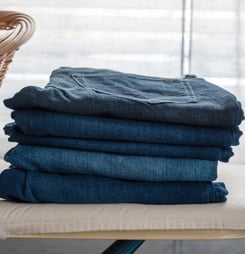
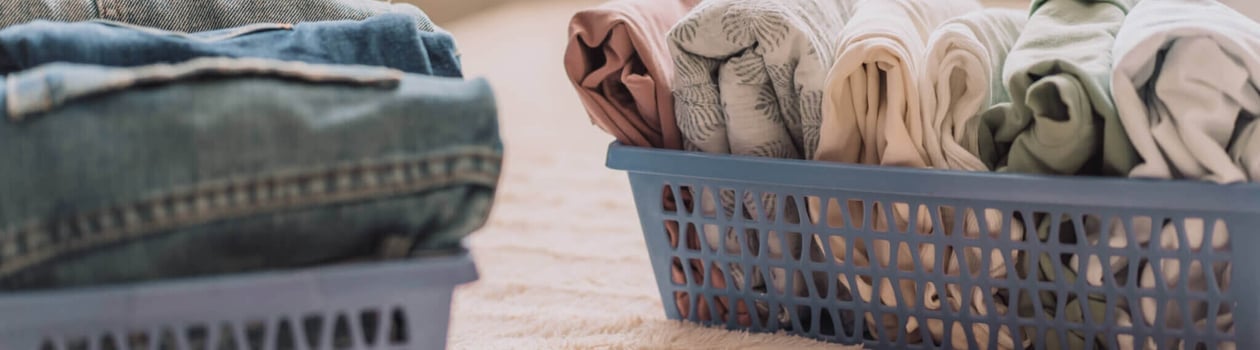
National Folding Laundry Day is a fun and practical celebration that aims to bring attention to the often-overlooked task of folding laundry.
This special day encourages people to tackle their laundry piles, transforming a mundane chore into an engaging activity.
Many find joy in this day, as it highlights the importance of keeping our homes clean and organized while also providing a chance to bond with family members over a shared task!
National Folding Laundry Day Timeline
Early riverbank laundry
People in ancient civilizations such as Mesopotamia and Egypt washed garments in rivers, scrubbing and beating cloth on rocks, then laying items flat or over lines and bushes to dry, an early ancestor of modern wash and fold routines.
Communal washhouses in Europe
Across many European towns, purpose-built washhouses provided basins and sheltered space where women gathered to soak, scrub, wring out, and carefully lay or fold linens before carrying them home, turning laundry into both labor and social ritual.
First American clothes wringer patent
American inventor Joel H. Goldthwait received a U.S. patent for an improved clothes wringer that squeezed water from fabric, reducing drying and handling time and making it easier to move laundry from washing to orderly folding and storage.
Electric washing machine “Thor”
The Hurley Machine Company of Chicago introduced the Thor, often cited as the first mass-produced electric washing machine, which automated much of the scrubbing work and shifted household effort more toward sorting, drying, and folding clean clothes.
Early automatic washer and streamlined laundry
Bendix introduced a domestic automatic front-loading washer that could wash, rinse, and spin in one drum, changing weekly routines so that time once spent on manual washing could be redirected to drying, ironing, and more systematic folding of garments and linens.
Rise of home laundry rooms in suburban America
Postwar suburban houses were increasingly built with dedicated laundry areas, complete with washers, dryers, and folding surfaces, reflecting a cultural ideal of tidy closets, stacked towels, and neatly folded garments as signs of efficient homemaking.
Folded clothing and the “spark joy” movement
With the English translation of Marie Kondo’s book “The Life-Changing Magic of Tidying Up,” detailed methods for folding and vertically storing clothes in drawers became globally popular, reframing laundry folding as a mindful, satisfaction-giving practice.
How to Celebrate National Folding Laundry Day
Family Folding Fiesta
Turn laundry time into a party! Gather everyone in the household, play some upbeat music, and start folding clothes together.
It’s a great way to bond and share laughs while tackling a necessary task. Add some snacks and drinks to make it even more festive.
Fold and Donate
Sort through your laundry and set aside clothes you no longer wear. Fold these items neatly and donate them to a local charity.
This act of kindness helps those in need and gives you a good reason to declutter your wardrobe.
Create a Folding Station
Set up a dedicated area in your home for folding laundry. Make it cozy with soft lighting, a comfy chair, and all your laundry supplies. This special spot will make the task more enjoyable and efficient.
Laundry Folding Competition
Inject some fun into folding laundry by turning it into a friendly competition. Challenge family members to see who can fold the most clothes in a set time. Offer a small prize to the winner to make it even more exciting.
Teach the Little Ones
Use this day to teach children how to fold laundry. Make it a playful learning experience by turning it into a game or storytelling session. This way, kids learn a valuable skill while having fun.
Why Celebrate National Folding Laundry Day
This day is celebrated to acknowledge the effort and time that go into folding laundry. Folding clothes not only helps reduce wrinkles and creases, keeping garments looking fresh, but it also helps maintain a tidy living space.
This can lead to a more relaxed and stress-free environment at home.
National Folding Laundry Day also brings an opportunity to declutter and donate unused clothing. By going through our laundry, we can set aside items we no longer need and give them to charity, making a positive impact on our communities.
The day reminds us that even simple tasks like folding laundry can contribute to a sense of accomplishment and improve overall well-being.
History of National Folding Laundry Day
National Folding Laundry Day began in 2020, founded by Allison J. Carter, a blogger and mother of three. She created this day to celebrate the simple yet essential task of folding laundry.
She aimed to encourage people to take pride in their housekeeping duties and highlight the importance of clean and organized homes.
Carter noticed that folding laundry, often seen as a mundane chore, lacked the recognition it deserved. By establishing this day, she wanted to remind everyone that even small tasks contribute significantly to household harmony and personal satisfaction.
National Folding Laundry Day has since become a day for families to come together, tackle laundry piles, and even donate unused clothes to charity.
The day serves as a reminder that taking care of our homes can be rewarding and impactful. It encourages everyone to embrace this everyday task with a positive attitude and a sense of accomplishment.
Facts About National Folding Laundry Day
The Hidden Physics Behind Wrinkles
When damp clothes sit crumpled, the tiny hydrogen bonds between cellulose fibers in cotton or other plant-based textiles rearrange as the fabric dries, which “sets” wrinkles in place.
Heat and moisture from ironing or steaming temporarily break these bonds so fibers can be smoothed before they lock again, which is why quickly shaking out and folding warm laundry from the dryer can significantly reduce wrinkling.
Folding and the Fight Against Microfiber Pollution
Synthetic garments like polyester and acrylic shed microscopic plastic fibers primarily through washing, but mechanical abrasion from frequent wear and rough handling also contributes.
Keeping clothes neatly folded and stored can reduce unnecessary friction and extend the time between washes, which helps cut down on the roughly hundreds of thousands of microfibers a single synthetic garment can release over its lifetime into waterways and oceans.
Laundry as a Major Slice of Housework Time
According to the U.S. Bureau of Labor Statistics’ American Time Use Survey, people aged 15 and older spend about 0.17 hours per day on laundry on average, with women spending roughly three times as much daily laundry time as men.
That makes laundry one of the most time-consuming routine household activities, comparable to interior cleaning, and a central contributor to the overall gender gap in unpaid domestic work.
How Proper Folding Extends Fabric Life
Repeated sharp creasing in the same place can weaken fibers over time, especially in cotton and linen, because mechanical stress concentrates along the fold line.
Textile conservation guidelines in museums advise storing garments loosely folded with tissue support or rolled rather than tightly compressed, a practice home users can borrow to reduce fiber breakage, color loss along fold lines, and premature thinning in everyday clothing.
The Cultural Ritual of Laundry Day
Before mechanized washing, “laundry day” in many European and North American communities was a highly social, labor-intensive event that could take an entire day or more, often involving soaking, boiling, scrubbing, wringing, and finally hanging and folding.
Historical accounts describe communal washhouses where women shared news and mutual support while working, revealing how doing and folding laundry functioned not just as housework but as a key site of social life.
Why Some Fabrics Practically Fold Themselves
Knitted fabrics such as jersey T‑shirts tend to drape and fold easily because their looped structure allows yarns to shift and redistribute stress, while woven fabrics like dress shirts are more rigid and hold sharper creases.
Fiber content matters too: polyester’s “memory” helps folds and pleats retain their shape, whereas pure cotton and rayon are more prone to collapse or wrinkle unless blended with synthetics or treated with resin finishes.
Gender Gaps Hidden in the Laundry Basket
Analysis of 2022 American Time Use Survey data shows that women in the United States still do substantially more unpaid household labor, including cooking, cleaning, and laundry, than men, even when both are employed full time.
This imbalance translates into a measurable “free-time gender gap,” with women spending significantly more minutes per day on routine chores like laundry that remain largely invisible in economic statistics but shape daily life.