

Another fun culinary day brings scallops to center stage, proving that “fancy” and “fussy” are not the same thing. Baked scallops feel restaurant-worthy, but they can be surprisingly approachable at home with just a handful of ingredients and a little attention to timing.
National Baked Scallops Day is a friendly nudge to gather a few people, turn on the oven, and let a simple seafood dish do most of the heavy lifting.
History of National Baked Scallops Day
Scallops have been part of coastal food traditions for a very long time, valued for their sweet flavor and quick cooking time. As with many shellfish, they show up again and again in the cooking of seaside communities where fresh catch shaped everyday meals.
Over time, scallops moved from strictly local fare to something that appeared more widely in markets and cookbooks, helped along by refrigeration, improved transport, and a growing appetite for seafood beyond the immediate shoreline.
In the United States, scallops gradually earned their place alongside more familiar shellfish. Food writers have noted that early American tables leaned heavily toward oysters, clams, and lobster, with scallops gaining popularity later as markets expanded and tastes diversified.
By the time seafood began to feel more mainstream in home kitchens, scallops had a clear advantage: they were quick. Even people who felt intimidated by fish often found scallops less daunting than a whole fillet with skin, pin bones, and complicated “is it done yet?” guessing games.
Baking, specifically, became a beloved way to serve scallops because it highlights what people like most about them: tenderness and a naturally rich, slightly briny sweetness. Baking also welcomes all sorts of flavorful helpers, like butter, garlic, lemon, herbs, and breadcrumbs.
Those ingredients provide a comforting, golden top and a sauce that practically begs for something to soak it up. In many households, baked scallops became a “special occasion” dish that did not require professional skills, just good ingredients and a clock that can be trusted.
Classic preparations helped cement baked scallops as a menu staple. One famous example often mentioned in the broader baked-scallops family is coquilles Saint-Jacques, a French-inspired dish that commonly features scallops baked in a creamy sauce, sometimes topped with cheese and browned until bubbly.
Whether served in shells, ramekins, or a casserole dish, the concept is the same: scallops are paired with a rich base and baked just long enough to keep them tender.
As for National Baked Scallops Day itself, it sits comfortably in the modern tradition of food-themed calendar days that celebrate a particular dish and invite people to cook, order, or share it. References to the observance appear in print in the early 2000s, suggesting that the day’s name was circulating publicly by that point.
Like many food-focused days, it functions less as an official proclamation and more as a cheerful excuse to try something delicious, learn a technique, and maybe discover that scallops are not nearly as intimidating as their reputation.
Another reason a baked-scallops celebration makes sense is that it spotlights a cooking method that levels the playing field for beginners. Searing scallops on the stovetop can be a little nerve-racking because it depends on a very hot pan, careful drying, and quick timing.
Baking is often more forgiving. It still requires attention, since scallops can overcook, but the oven offers a steadier, more hands-off heat. That makes National Baked Scallops Day feel like an invitation rather than a challenge.
How to celebrate National Baked Scallops Day
The best way to celebrate National Baked Scallops Day is to make it a meal worth lingering over. Scallops are naturally suited to sharing because they cook quickly and pair easily with sides that can be prepped ahead.
A relaxed gathering can feel “occasion-like” without demanding a full day in the kitchen. The only real rule is to be present for it, which is easier when phones are parked elsewhere and the table conversation is allowed to wander.
Before any seasoning happens, the biggest upgrade is choosing scallops wisely. Many cooks hear “scallops” and assume there is only one kind, but shopping is easier with two basic categories in mind:
- Sea scallops are larger and meatier, often served as individual rounds. They are great for baking in a single layer in a dish because they stay succulent and look dramatic on the plate.
- Bay scallops are smaller and cook very fast. They work well for baked casseroles, seafood stuffing, or pasta-style bakes where they are tucked among other ingredients.
It also helps to understand the “dry” versus “wet” conversation at the seafood counter. Some scallops are treated with a solution that can make them release more liquid during cooking. That extra moisture is not ideal for browning and can make baked dishes watery.
Many seafood counters can tell customers whether scallops are untreated. Regardless of what is available, the simple habit that improves baked scallops almost every time is patting them dry with paper towels before seasoning. Less surface moisture means better texture, better flavor concentration, and a less soupy baking dish.
Because scallops are perishable, smart handling matters. A few practical kitchen habits keep things safe and keep flavor at its peak:
- Keep scallops cold until they go into the oven.
- Avoid leaving them on the counter while prepping other ingredients.
- Use a separate cutting board and utensils from those used for ready-to-eat foods.
- If using frozen scallops, thaw them slowly in the refrigerator and drain well, then dry thoroughly before baking.
Once scallops are prepped, the fun part begins: choosing a baked style. The phrase “baked scallops” covers a surprisingly wide range of vibes, from cozy to elegant.
A few popular directions include:
1) Classic buttery breadcrumb bake
This is the crowd-pleaser: scallops in a baking dish, topped with seasoned breadcrumbs, butter, garlic, parsley, maybe a little lemon zest. The oven toasts the topping while the scallops gently cook underneath. A sprinkle of grated cheese can be added for extra browning and savory depth, but it is not required.
2) Creamy gratin-style scallops
For a richer approach, scallops can be baked in a sauce that includes cream, milk, or a velouté-style base. Aromatics like shallots and mushrooms fit naturally here, and a light topping of breadcrumbs or cheese gives a satisfying crust. This style feels “bistro” even if it is served in a simple casserole dish.
3) Mediterranean-leaning bake
Scallops pair beautifully with olive oil, garlic, tomatoes, capers, and herbs. A baked dish in this style can be lighter than the buttery versions while still feeling indulgent. It also solves a common side-dish question because it naturally goes well with rice, pasta, or crusty bread.
4) Comfort-food casserole
Scallops can be folded into a baked seafood casserole with a binder like a light cream sauce or even a simple mixture of broth and butter thickened with a little flour. Add cooked pasta, peas, or spinach, then top with crumbs and bake until hot and golden. This is a practical option for feeding more people without buying a mountain of scallops.
No matter which flavor path is chosen, baked scallops reward restraint. The most common mistake is treating scallops like chicken and leaving them in the oven “just in case.” Overcooked scallops tend to turn firm and rubbery, and no amount of lemon juice can talk them out of it. A better approach is to plan for a shorter bake and rely on visual cues: scallops should look opaque and feel springy, not stiff.
A simple hosting strategy makes the cooking even easier: build the dish ahead, then bake it right before serving. Many baked scallop recipes can be assembled in the baking dish with the topping prepared separately. Keep both chilled, then scatter the topping right before the dish goes into the oven. This keeps the breadcrumb topping crisp and prevents it from absorbing too much moisture while waiting.
Side dishes can be as easygoing as the scallops are:
- Bread is the obvious companion because baked scallops often create a buttery, savory sauce worth sopping up.
- Rice or couscous works well for absorbing juices without competing for attention.
- Roasted vegetables bring balance, especially asparagus, green beans, zucchini, or carrots.
- A crisp salad adds freshness and crunch, which is welcome next to a rich scallop bake.
For people who want to make the day a little more interactive, scallops are ideal for a small “choose-your-own-topping” setup. One baking dish can stay classic with garlic and parsley, another can go spicy with chili flakes, and a third can get a creamy sauce. Guests can taste and compare, and suddenly the dinner party becomes a low-stakes scallop tasting.
Those who live near a fish market or seafood counter can lean into the outing aspect of the celebration. A quick trip to see what is fresh, ask a few questions, and pick up scallops with guidance from someone who handles them every day can take the anxiety out of buying seafood.
It also helps to learn what to look for: scallops should smell clean and mild, not fishy, and they should look moist but not slimy. A good seafood counter will also advise on portion sizes, which can prevent the classic party mistake of either buying too little or accidentally feeding the neighborhood.
National Baked Scallops Day can also be celebrated without turning on the oven at all by supporting a local restaurant that does scallops well. Many places treat scallops as a showcase ingredient, and baked versions are often on menus as appetizers, gratins, or seafood platters.
Ordering them out can be a helpful “research project” for home cooks, too. Paying attention to the topping, the sauce, and the doneness provides a mental template for the next kitchen attempt.
For anyone cooking scallops at home for the first time, a few small choices can make the experience smoother:
- Use the right baking dish. A shallow dish encourages even cooking and better browning. A deep casserole can steam scallops instead of baking them.
- Do not crowd the scallops. A single layer is ideal. Crowding traps moisture and can lead to uneven doneness.
- Add delicate ingredients late. Fresh herbs, lemon zest, and a final squeeze of lemon are often best after baking so they stay bright.
- Keep the topping dry until the last minute. Especially with breadcrumbs, waiting too long can turn a crisp topping into a soft blanket.
Scallops are naturally rich in protein and have a reputation as a “lighter” seafood compared to fattier fish, which is another reason baked scallops fit a wide range of menus. Still, they are shellfish, so it is wise for hosts to check on allergies before serving them to a group.
If the gathering includes someone who avoids shellfish, the celebration can still be inclusive by baking a similar dish in a separate pan using mushrooms, hearts of palm, or a flaky white fish alternative, keeping utensils and baking dishes separate to avoid cross-contact.
Finally, since this is a day that practically begs for bragging rights, it is perfectly on theme to document the results. A quick photo of the golden breadcrumb crust or the bubbling gratin can inspire other home cooks to try scallops, too.
Better yet, sharing the small lessons learned, like drying scallops well or not overbaking them, can help someone else skip the most common beginner missteps.
National Baked Scallops Day is, at its heart, a celebration of a dish that feels luxurious while staying refreshingly straightforward.
With good scallops, a simple topping, and the confidence to pull them from the oven while they are still tender, the meal practically guarantees that the cook looks like a genius, even if it was mostly the scallops doing the work.
Fascinating Facts About Scallops
From their surprising abilities in the ocean to their cultural and culinary significance, scallops are far more interesting than they first appear.
These facts highlight the unique biology, history, and environmental story behind one of the sea’s most recognizable and widely enjoyed shellfish.
Jet-Propelled Swimmers with Dozens of Eyes
Sea scallops are bivalve mollusks that can actually swim by rapidly clapping their shells to jet water out, and they “see” the world through dozens of tiny blue eyes along the edge of their mantle that detect light and motion rather than sharp images.
Ancient Pilgrim Symbol Turned Tableware Classic
The fan-shaped scallop shell has been associated with the pilgrimage to Santiago de Compostela since at least the Middle Ages, appearing on pilgrims’ cloaks and markers along the Camino; this same shell shape later inspired the presentation of classic dishes like French coquilles Saint‑Jacques, where scallops are baked and served in individual shells.
A Short-Lived Seafood Compared to Its Clam Cousins
Most commercially important sea scallops live about 10 to 20 years, which is relatively long for harvested shellfish but shorter than many hard clams that can surpass 40 years and even reach a century, an age difference that affects how quickly overfished stocks can recover.
Modern Scallop Harvesting Relies Heavily on Dredges
In major fisheries like those off New England and the Canadian Maritimes, scallops are largely harvested using heavy dredges that are dragged along the seafloor, a method that can disturb benthic habitats and has driven management agencies to rely on gear restrictions, closed areas, and catch limits to balance harvest with habitat protection.
Nutrient-Dense but Naturally Low in Fat
A typical three-ounce cooked serving of sea scallops provides around 17 to 20 grams of high‑quality protein and substantial amounts of vitamin B12, selenium, and phosphorus, while contributing less than 100 calories and very little saturated fat, which is why they often appear in heart‑conscious seafood recommendations.
Japan and China Dominate Farmed Scallop Production
Globally, aquaculture has overtaken wild capture as the main source of scallops, with China and Japan producing the vast majority of farmed scallops through suspended culture systems that hang the shellfish in nets or on lines in coastal waters, reducing contact with the seafloor compared with dredge fisheries.
Coquilles Saint‑Jacques Helped Popularize Restaurant Baked Scallops
The rich, gratinéed French dish coquilles Saint‑Jacques, typically made with scallops in a creamy wine or mushroom sauce topped with breadcrumbs or cheese and browned under high heat, became a hallmark of mid‑20th‑century haute cuisine and appeared on influential English‑language restaurant menus and in cookbooks, helping cement baked scallops as an elegant, Western restaurant staple.
National Baked Scallops Day FAQs
Are scallops a healthy protein choice compared with other meats?
Scallops are considered a lean, nutrient-dense protein that is relatively low in calories and saturated fat compared with many red meats and some processed meats.
A typical 100-gram serving provides around 20 to 24 grams of high-quality protein, useful amounts of omega-3 fatty acids, vitamin B12, and minerals such as magnesium, potassium, and selenium, all of which are associated with heart and metabolic health.
People watching sodium intake or cholesterol still need to consider overall diet, but in general, health organizations and nutrition experts view properly cooked scallops as a heart-friendly alternative to many higher-fat animal proteins. [1]
What is the difference between sea scallops and bay scallops in cooking?
Sea scallops are larger, usually around 1.5 to 2 inches across, which makes them well-suited to searing, grilling, and baking as individual portions.
Bay scallops are much smaller and more delicate, so they cook very quickly and are often used in casseroles, baked dishes, stews, and pasta, where they can be distributed throughout the dish.
Both types have a sweet, mild flavor, but bay scallops are often described as slightly sweeter and more tender, while sea scallops offer a meatier bite and can stand up to higher heat and bolder sauces. [1]
How can someone tell if scallops are fresh and safe to cook?
Fresh scallops should have a mild, slightly sweet ocean smell rather than a strong fishy or sour odor. The flesh should look moist and slightly translucent, not dry, slimy, or discolored.
Food safety agencies advise buying scallops that are kept on clean, fresh ice or properly refrigerated, transporting them home quickly, and storing them in the coldest part of the refrigerator at about 40°F (4°C) or below.
They should be cooked or frozen within 1 to 2 days of purchase, and any scallops with off smells, unusual colors, or a sticky surface should be discarded. [1]
What are the key food safety steps when handling and cooking scallops at home?
Public health guidance recommends keeping raw scallops cold from purchase until cooking, storing them in the refrigerator at 40°F (4°C) or lower, and using them within a couple of days.
Raw scallops should be kept separate from ready-to-eat foods, with separate cutting boards and utensils to prevent cross-contamination.
When cooking, seafood safety resources advise heating scallops to an internal temperature of 145°F (63°C) until the flesh turns opaque and firm. Leftovers should be refrigerated promptly and reheated to 165°F (74°C) before eating. [1]
Are scallops safe for people with shellfish allergies?
Allergy specialists categorize scallops as shellfish, specifically mollusks, and many people who react to shellfish can react to scallops as well.
Some guidelines distinguish between crustacean shellfish, such as shrimp and crab, and mollusks, such as scallops, clams, and mussels, because some individuals are allergic to one group and not the other.
Because allergic reactions can be severe, anyone with a known or suspected shellfish allergy should speak with a medical professional before eating scallops and follow their advice about testing, avoidance, and emergency treatment. [1]
Are scallops considered a sustainable seafood choice?
Environmental reviews generally rate farmed scallops that are raised in off-bottom systems, such as suspended nets or lines, as a sustainable option because they do not require feed inputs and can have relatively low impacts on surrounding ecosystems.
Some wild scallop fisheries, particularly well-managed ones in regions like the U.S. Atlantic, are also considered relatively sustainable, although they still face pressures from climate change, ocean acidification, and localized overfishing.
Consumers who want to prioritize sustainability are often advised to look for up-to-date recommendations from programs such as Seafood Watch for their region and production method. [1]
How are changing ocean conditions affecting scallop populations?
Research from marine agencies and universities shows that warming waters and ocean acidification can reduce growth and survival in juvenile scallops by making it harder for them to build shells and maintain energy balance.
Studies of Atlantic sea scallops indicate that increasing bottom temperatures and more acidic conditions may hinder long term productivity of some major fishing grounds, while repeated summer heat waves and low oxygen events have already contributed to mass die-offs of bay scallops in some estuaries.
These findings are leading scientists and fishery managers to adjust harvest rules and explore adaptation strategies to protect scallop populations as ocean conditions change. [1]



You may also like
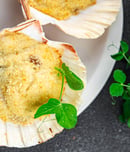
National Coquilles Saint Jacques Day
Celebrate National Coquilles Saint Jacques Day by savoring creamy scallops, French culinary tradition, and elegant recipes to cook, share, and enjoy.

National Fried Scallops Day
Seafood, served fresh and piping hot, is the name of the game when it comes to National Fried Scallops Day! History of National Fried Scallops Day Scallops are a category of molluscs that are often otherwise known as saltwater clams. This seafood can be cooked in a variety of ways...
National Crab Stuffed Flounder Day
National Crab Stuffed Flounder Day is a delightful celebration for seafood enthusiasts. This day is dedicated to enjoying the delectable combination of flounder and crab meat. Seafood lovers across the country look forward to this occasion to indulge in this savory dish. The mix of tender flounder fillets and rich...
- Australia
- Canada
- United Kingdom
- and 1 more
National Tartar Sauce Day
With hints of pickle and lemon, tartar sauce adds a refreshing flavor to any fish dish — perfect for seafood lovers.
- Australia
- Canada
- United Kingdom
- and 1 more
National days and holidays on March 12 2027

International Awareness Day for Avoidable Deaths (IAD4AD)
IAD4AD is a worldwide campaign led by the Avoidable Deaths Network. It raises awareness about disaster deaths that never should occur. The focus includes floods that overwhelm unprepared towns, heatwaves without early warnings, and road accidents on unsafe routes. It also covers missing people and indirect losses, often ignored in official...

Teen Tech Week
Libraries evolve with technology, offering digital tools and resources for research, learning, and exploration beyond books.

Solar Appreciation Day
From shrinking electricity bills to cutting air pollution, solar power has a knack for turning something ordinary, sunlight, into something genuinely useful. Solar Appreciation Day spotlights that simple magic and nudges communities, businesses, and households to learn how solar works, where it fits best, and what it can realistically do. At...

World Glaucoma Day
Imagine a world where the vibrant colors of sunset fade into darkness, not by choice, but due to an unseen thief, glaucoma. This eye disease slowly damages the optic nerve, the “cable” that carries visual information from the eye to the brain. The tricky part is that glaucoma often starts quietly...
Seize Every Day
Join free for personalised recommendations, email reminders and exclusive guides. Never miss a day.