
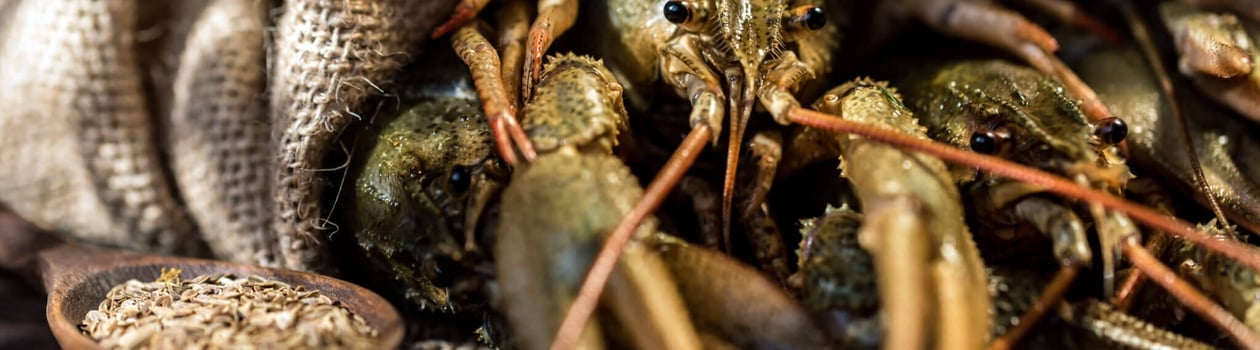
Nothing says Southern tradition quite like a good crawfish boil. National Crawfish Day is all about celebrating these little freshwater creatures, packed with flavor and loved by many.
Whether piled high on a plate or simmering in a spicy pot, crawfish bring people together.
Their bright red shells, tender meat, and bold seasoning make them a true treat. But this day isn’t just about the food—it’s about the experience. The laughter, the messy hands, and the joy of cracking open each shell make it unforgettable.
More than just a meal, this day is a reason to slow down and share good times. Friends and family gather around steaming pots, breathing in the rich aroma of spices. Tables overflow with corn, potatoes, and sausage, all soaked in that signature bold seasoning.
Stories get passed around as quickly as the food, making every bite more than just a taste—it’s a memory in the making. This celebration isn’t just about eating; it’s about savoring every moment together.
National Crawfish Day Timeline
Houma People and the Crawfish Emblem
The Houma people of coastal Louisiana use a crawfish as their tribal emblem, a symbol that reflects the animal’s importance in their marshland environment and cultural identity.
Acadian Resettlement in Louisiana
After being expelled from Canada, Acadian refugees begin resettling in Louisiana, where they blend French culinary traditions with local ingredients such as wild crawfish, helping to shape what becomes Cajun cuisine.
Early Commercial Harvests of Wild Crawfish
By the late nineteenth century, crawfish from Louisiana swamps and the Atchafalaya Basin are being harvested and sold, marking a gradual shift from subsistence use to small‑scale commercial marketing.
Crawfish Étouffée Appears in Breaux Bridge
Oral histories and restaurant accounts trace the development of crawfish étouffée in and around Breaux Bridge during the 1930s, where the smothered crawfish dish gains popularity and later spreads across Louisiana.
Growth of Crawfish Aquaculture in Rice Fields
In southern Louisiana, rice farmers begin intentionally flooding fields in fall and winter to raise crawfish after the rice harvest, creating integrated rice‑crawfish farming that becomes the dominant method of commercial production.
How to Celebrate National Crawfish Day
National Crawfish Day offers a delightful opportunity to immerse oneself in the rich tapestry of Southern culture and cuisine. Here are some playful and engaging ways to celebrate this flavorful occasion:
Host a Backyard Crawfish Boil
Transform your backyard into a lively gathering spot by organizing a traditional crawfish boil. Set up large pots to cook crawfish with corn, potatoes, and spicy seasonings.
Invite friends and family to roll up their sleeves, share stories, and enjoy the messy fun that epitomizes Southern hospitality.
Attend a Local Crawfish Festival
Immerse yourself in the festive atmosphere of a crawfish festival. These events often feature live music, dancing, and, of course, plenty of crawfish prepared in various mouth-watering styles.
It’s a fantastic way to experience local culture and indulge in delicious food.
Explore Cajun and Creole Recipes
Take your taste buds on an adventure by experimenting with classic Cajun and Creole dishes. Try your hand at cooking crawfish étouffée, jambalaya, or gumbo.
These flavorful recipes offer a deeper appreciation of the culinary traditions that make crawfish a beloved ingredient.
Visit a Seafood Restaurant Offering Crawfish Specials
Many seafood restaurants celebrate National Crawfish Day with special menus or discounts. Treat yourself to a night out and savor professionally prepared crawfish dishes, supporting local businesses in the process.
Learn About Crawfish Harvesting
Enhance your appreciation for these crustaceans by learning about crawfish harvesting. Some regions offer tours or experiences where you can observe or participate in the process, gaining insight into the journey from water to plate.
History of National Crawfish Day
National Crawfish Day began in 2020. Shell Shack, a seafood restaurant, established this day to honor the crawfish’s role in Southern cuisine.
Crawfish, also known as crayfish or crawdads, are freshwater crustaceans resembling small lobsters. They have been integral to Southern culinary traditions for centuries. Native American tribes, such as the Houma in the 1600s, adopted the red crawfish as their emblem.
In the 1700s, Acadian settlers in the Southern United States began consuming crawfish due to their abundance and affordability. They adapted traditional lobster recipes to feature crawfish, leading to the development of unique Cajun dishes.
By the 1900s, crawfish boils had become a popular social event in Louisiana, symbolizing community and celebration. In 1983, Louisiana designated the crawfish as the official state crustacean, highlighting its cultural significance.
National Crawfish Day serves as a reminder of the rich history and traditions associated with this beloved crustacean, encouraging people nationwide to appreciate and enjoy crawfish-centric dishes.
Facts About National Crawfish Day
Crawfish Are Surprisingly Diverse and Widespread
Crawfish, or crayfish, include more than 600 species worldwide, with the greatest diversity in the southeastern United States and in Australia.
These freshwater crustaceans typically live in streams, swamps, ponds, and roadside ditches, where many species burrow into mud, help break down leaf litter and other plant material, and serve as prey for fish, birds, and mammals, making them an important part of many freshwater food webs.
How Crawfish Became a Cajun Staple
Cajun reliance on crawfish is closely tied to the 18th century expulsion of French-speaking Acadians from Canada and their later resettlement in the wetlands of south Louisiana.
Displaced farmers adapted to marshes and bayous by turning to abundant local resources such as crawfish, which moved from a subsistence food to the centerpiece of dishes like étouffée and bisque as commercial harvesting and, eventually, pond farming expanded in the 20th century.
Louisiana Dominates U.S. Crawfish Production
Louisiana produces the majority of farmed crawfish in the United States, largely through systems that integrate crawfish with rice cultivation.
Farmers flood rice fields after harvest to create shallow ponds where crawfish feed on leftover rice stubble and other vegetation, and by the early 2000s this combination of aquaculture and wild harvest was yielding hundreds of millions of pounds annually, supporting a sizable processing, restaurant, and export sector.
The Red Swamp Crawfish as a Global Invasive Species
The red swamp crawfish, native to the southern United States and northern Mexico, has become a problematic invasive species in parts of Europe, Asia, and Africa.
Introduced for aquaculture, biological control, and use as live bait, it tolerates a wide range of conditions, burrows into banks and levees, competes with native crayfish, and can damage crops and irrigation infrastructure, prompting costly control efforts and legal restrictions in several countries.
Crawfish and Flooded Rice Fields Form a Symbiotic System
Crawfish thrive in shallow, seasonally flooded rice fields because their life cycle is closely tied to water levels.
In rice–crawfish rotations, adults burrow and seal themselves in moist soil during the dry summer, then emerge to reproduce when fields are reflooded in fall, turning rice residue into animal protein in a system that typically relies on little supplemental feed and is often cited as a model of integrated farming.
Crawfish Boils as a Gulf Coast Communal Tradition
Along the Gulf Coast, large crawfish boils evolved during the 20th century into a distinctive social gathering that blends food, music, and community.
Oral histories describe long tables covered in newspaper or butcher paper, communal pots of highly seasoned crawfish, and informal, stand-up eating that cuts across class lines, turning backyard parties, church fundraisers, and neighborhood events into shared rituals built around peeling and eating crawfish together.