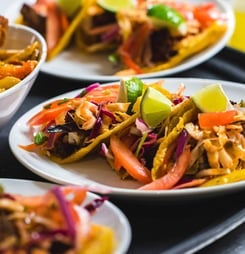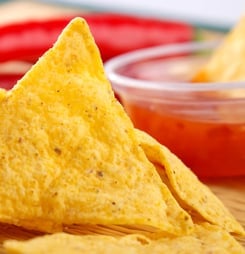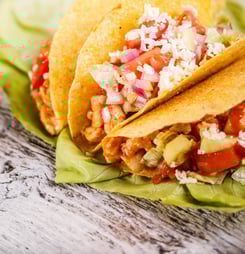

Whether making crunchy tacos at home or grabbing up a few at a local restaurant or chain store, National Crunchy Taco Day is a delicious day that is worth celebrating!
How to Celebrate National Crunchy Taco Day
Paying heed to National Crunchy Taco Day is certainly no burden! It’s all a delightful way to celebrate this particular taco as well as all things Tex-Mex. Have fun celebrating the day with some of these ideas:
Enjoy Eating Crunchy Tacos
On National Crunchy Taco Day, an obvious – and probably even obligatory – choice is to make sure to eat some crunchy tacos for a meal, whether lunch or dinner, or even for a snack! Crunchy tacos bring a certain kind of delight with mouthwatering flavors and delicious toppings.
Choose a basic crunchy taco with simply meat and cheese, or add a few more toppings to make it even more tasty. Add shredded lettuce, chopped tomatoes and sour cream for a supreme version. Or get even more adventurous by adding other toppings such as grilled onions or chunks of avocado. And, of course, don’t forget to add a bit of spice by piling on the hot sauce!
Make Crunchy Tacos at Home
One thing that is really great about tacos is how simple they can be to make at home. But crunchy tacos also offer tons of opportunities for those who enjoy creating more complex flavors in the kitchen. Obviously, one of the most vital ingredients in making crunchy tacos at home is the need for crunchy taco shells. These can be easily sourced from a supermarket or Mexican grocery store and then heated in the oven at home. But they can also be made from scratch, for those who are feeling a bit more adventurous.
The next more important ingredient for making this dish in honor of National Crunchy Taco Day is the meat. Most people choose ground beef to serve inside of crunchy tacos, and it tastes best when it has been able to marinate in delicious seasonings for some time before serving.
While the meat is cooking, create a bar full of yummy options for topping crunchy tacos. Cheese, lettuce, tomatoes, salsa, sour cream, hot sauce, black beans, refried beans and guacamole are all items that people love to pile on top of their crunchy tacos. Choose a variety of options and let everyone make their own decisions about which topping options are their favorite!
Host a National Crunchy Taco Day Party
Tacos are a fun food to celebrate, and they’re especially easy for groups of people to pitch in. Set up a crunchy taco bar in the breakroom and work and have everyone bring a different topping. Or invite friends over to the house after work for a tasty taco bar at home. Plus, at home, it’s fun to be able to add some traditional Tex-Mex drinks such as pitchers of Margaritas, cold Coronas, or Jarritos for the kids.
While crunchy tacos are certainly the star of the show, it might also be good to add other elements to the party to get everyone in an even more festive mood. Decorate with a Tex-Mex theme and put on a playlist with traditional Mexican themed music, like from a Mariachi band. It might even be a fun idea to ask guests to dress up in a serape, sombrero, or some other nod to traditional dress south of the border, just to complete the occasion. For dessert, serve some churros, sopapillas or flan.
Get Creative with Crunchy Tacos
For those folks who tend to have crispy tacos on the regular, whether making them at home or ordering them at a restaurant, it might be fun to get a bit more creative with recipes in honor of National Crunchy Taco Day.
When making crunchy tacos at home, try out some of these ideas that can add a bit of flair for the occasion:
- Crispy Tofu Tacos – fill crunchy shells with fried tofu and add toppings.
- BBQ Crunchy Tacos – substitute regular ground beef with barbecue.
- Potato Tacos – made with mashed potatoes, cheese, lettuce and sauce, this one is great for vegetarians.
- Fried Avocado Tacos – just like the crispy tofu tacos, also for vegetarians!
National Crunchy Taco Day FAQs
History of National Crunchy Taco Day
The word ‘taco’ can trace its beginnings to the 18th century when workers in the silver mines in Mexico started using the name for little tortilla wrapped meats. This working class food was named after the ‘taquito’ of gunpowder wrapped in paper that the Mexican miners would use to blow up the rocks. The name migrated to the US as the taco developed its crunchy side.
While typically served at Mexican or Tex-Mex restaurants, the crunchy taco has decidedly American roots. In fact, in some Spanish-speaking communities, it is referred to as the “anglo taco”.
Tacos are traditionally served on soft corn tortillas in Mexico, but the crunchy fried shell is a more recent version of the food. The first written recipe for tacos written in English was included in a cookbook in 1914 and the recipe was written for tacos that were meant to be fried.
It wasn’t until the 1950s that the founder of Taco Bell helped make famous the idea of creating a fast way to make crunchy taco shells. Glen Bell had grown up in California where crispy tacos – soft tacos that were filled first and then fried – had become very popular. But the idea of frying the tacos into a U-shape prior to filling them was fairly new. So Mr. Bell decided to open a restaurant originally called Taco Tia, which then turned into Taco Bell.
National Crunchy Taco Day was founded particularly for those who really enjoy celebrating the delightful, tasty flavors of Tex-Mex foods. It’s a day to appreciate the simple things in life, like a little bit of spicy meat, some shredded cheese, lettuce, tomatoes and so much more.
The event takes place on this day in honor of the first Taco Bell restaurant that was opened, on March 21, 1962.
But the most important thing to appreciate about National Crunchy Taco Day? Well, it’s the crunch, of course!
National Crunchy Taco Day Timeline
First taco reference
The term ‘taco’ associated with miners in Mexico is first referenced in the late 19th century.
Earliest known English-language taco recipe
As part of “California Mexican Spanish Cookbook”, this first taco recipe in English is published featuring a crunchy shell.
First Taco Bell opens
This restaurant, in Downey, California, will go on to become the largest chain of fast food taco joints in the world.
Old El Paso in supermarkets
Old El Paso becomes the first national brand to offer a full line of Mexican meals in supermarkets, urging the creation of a Mexican food section.
Taco Bell expands to London
Sadly, Taco Bell can’t make a go of the crunchy taco this time around and closes in London by the mid-1990s.
The Science Behind the Crunch of Taco Shells
That satisfying crunch is not an accident. From traditional corn processing to moisture control and frying, the texture of a crunchy taco shell is shaped by food science, chemistry, and a few practical trade-offs that affect freshness, flavor, and nutrition.
Here are the key facts behind what makes crunchy taco shells crisp—and why that crunch doesn’t last forever.
Nixtamalization Gives Corn Tortillas Their Structure
Crunchy taco shells start with corn that has been nixtamalized, a process where kernels are cooked and soaked in an alkaline solution made with lime (calcium hydroxide).
This changes the corn’s protein and starch structure, improves flavor and aroma, boosts the availability of nutrients like niacin, and helps the dough (masa) hold together when fried so the shell becomes crisp instead of crumbly.
Why Crunchy Shells Go Stale So Quickly
A fresh-fried taco shell is crisp because its moisture has been driven off and its structure is full of tiny bubbles.
Over time, the shell absorbs water from the air, and any residual oil can oxidize, both of which soften the starch network and dull the flavor.
That is why manufacturers recommend storing hard shells in airtight packaging and why they often add a “best by” date even though the product is dry and shelf-stable.
Hard Shells Are Usually Higher in Calories Than Soft Corn Tortillas
When a soft corn tortilla is fried to make a crunchy shell, it absorbs oil, and its calorie and fat content increase.
Nutrition comparisons from dietitians and medical centers show that plain soft corn tortillas are typically lower in calories, fat, and sodium and higher in fiber than either flour tortillas or pre-fried hard shells, which is why health experts often recommend soft corn tortillas as the more nutritious base for tacos.
Appliances for Hard-Shell Tacos Appeared Before Fast-Food Chains
By the late 1930s, companies in the United States were already selling specialized appliances for making hard-shell tacos in restaurants, such as metal racks that held tortillas in a folded shape while frying.
These tools laid the groundwork for later industrial and fast-food production, which would rely on preformed shells to speed up service and standardize the crunchy taco format.
U-Shaped Taco Shells Were Patented in the 1940s
Preformed, U-shaped hard taco shells show up in U.S. patent records in the 1940s, credited to Mexican restaurateurs who were looking for a way to assemble tacos more quickly.
The patents describe frying tortillas into a rigid shape in advance so they could be filled to order, a key step that turned what had been a made-to-order street food into something that could be produced at greater speed and scale.
The Hard-Shell Taco Helped Turn Mexican Food into Mainstream Fast Food
Food historians note that the preformed crunchy taco shell was crucial in transforming tacos into an American fast-food staple.
Because shells could be produced in bulk, stored, and quickly filled, chains like Taco Bell in the 1960s were able to serve standardized tacos at drive-in speed, putting Mexican-inspired food in the same mass-market category as hamburgers and hot dogs.
Corn Tortillas Bring Whole-Grain Nutrition to Crunchy Tacos
Underneath the frying, a classic crunchy taco shell is still made from corn, which counts as a whole grain when minimally refined.
Nutrition analyses show corn tortillas provide fiber, B vitamins such as niacin, and minerals like calcium and iron, and they are naturally gluten-free.
While frying adds fat and calories, the base ingredient retains a more favorable nutrient profile than many refined flour-based wrappers.