
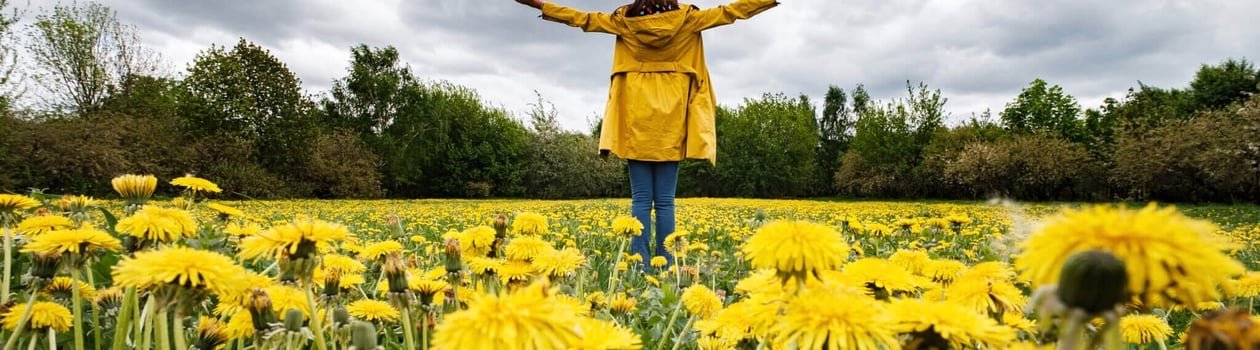
Few plants stir as many opinions as the dandelion. Some yank them out without a second thought, while others smile at the sight of their sunny heads. National Dandelion Day invites people to slow down and take a closer look.
These golden bursts of color aren’t just pretty—they signal early spring and offer food to bees when few blossoms are around.
Even kids love them, turning fluffy seeds into wishes with one big breath. It’s a flower that sparks joy, starts conversations, and surprises those who pay attention.
The dandelion isn’t just easy on the eyes—it works hard below the surface, too. Its strong roots dig deep, helping loosen packed soil and make room for water and air. That hidden effort helps nearby plants grow stronger.
People also find value in the leaves, stems, and roots, using them in everything from herbal drinks to tasty dishes. National Dandelion Day nudges us to see past the label of “weed” and notice the quiet ways this plant supports both nature and people.
How to Celebrate National Dandelion Day
National Dandelion Day offers a chance to appreciate this bright flower in new ways. Here are some fun and creative ideas to celebrate:
Sip Something New
Try brewing dandelion tea using fresh leaves or roots. This earthy drink has been enjoyed for generations.
If you’re feeling adventurous, consider making dandelion wine, a traditional beverage crafted from the plant’s blossoms. Always ensure your dandelions are free from pesticides and sourced from clean areas.
Get Crafty
Create unique art using dandelions. Press the flowers to make bookmarks or greeting cards. Alternatively, use acrylic resin to preserve their beauty in jewelry or paperweights.
These crafts can be delightful gifts or personal keepsakes.
Taste the Greens
Incorporate dandelion greens into your meals. Their slightly bitter flavor pairs well with sweet dressings in salads.
You can also sauté them with garlic and olive oil for a nutritious side dish. Remember to harvest from areas free of chemicals.
Explore Nature
Take a walk and observe dandelions in their natural habitat. Notice how they thrive in various environments, from sidewalks to meadows.
This activity can be both relaxing and educational, especially for children learning about plants.
Share the Joy
Gather dandelion bouquets and share them with friends or family. These simple gestures can brighten someone’s day. Children often enjoy picking and gifting these cheerful flowers.
History of National Dandelion Day
National Dandelion Day celebrates a flower that many overlook. While often labeled a weed, the dandelion brings color, food, and healing to the world.
The flower’s strong roots dig deep into the earth, and its bright yellow blooms appear early in the year. This day reminds people that beauty and purpose can grow where least expected.
No one person is officially named as the creator of this day. Instead, it slowly gained attention through community events and nature enthusiasts. One well-known example is the Dandelion Festival in Dover, Ohio, which began in 1996.
Locals came together to enjoy foods, crafts, and stories centered around this hardy plant. Over time, the event inspired others to take notice.
As interest grew, the internet helped spread the idea even more. People shared photos, facts, and personal memories involving dandelions. The plant’s long history in herbal medicine added to the charm. Ancient cultures used it for digestion and skin care.
Now, National Dandelion Day encourages a fresh look at something many once ignored. It has quietly bloomed into a meaningful day for plant lovers, gardeners, and curious minds alike.
Facts About National Dandelion Day
Dandelions Reproduce Clonally Through Apomixis
Many common dandelions in lawns are “apomictic,” which means they can produce viable seeds without being fertilized by pollen.
Each seed head can contain around 150 to 200 seeds, and because the seeds are essentially clones of the parent plant, this helps explain how dandelions spread so successfully even where there are few pollinators or compatible plants nearby.
A Single Dandelion Root Can Grow Over a Foot Deep
Dandelions develop a thick taproot that can extend 6 to 18 inches into the soil, allowing the plant to survive drought, regenerate after being broken off at the surface, and pull minerals from deeper layers.
This deep root also helps break up compacted ground and can improve soil structure over time.
Dandelion Greens Rival Spinach in Micronutrients
Raw dandelion greens are unusually nutrient dense, providing high levels of vitamins A, C, and K, along with calcium and iron, in amounts comparable to or greater than many cultivated leafy vegetables.
For example, a 100‑gram serving of raw greens supplies more than the daily recommended intake of vitamin K and is an excellent source of vitamin A and calcium.
An Ancient Eurasian Plant with a 30‑Million‑Year History
Fossil and genetic evidence indicate that the Taraxacum lineage arose in Eurasia roughly 30 million years ago, long before humans began using the plant.
From there, dandelions spread across the temperate Northern Hemisphere and were later transported intentionally to North America by European settlers as a useful food and medicinal herb.
A Traditional Medicine in Both East and West
Historical medical texts from Arabic physicians of the 10th and 11th centuries describe dandelion preparations for liver and spleen disorders, while European folk medicine used it for ailments such as fever, boils, and digestive complaints.
In traditional Chinese medicine, Taraxacum species are recorded for “clearing heat and toxins,” and the 2020 Chinese Pharmacopoeia lists dozens of patented remedies that include dandelion.
Early Spring Forage for Pollinators in Urban Landscapes
Although dandelions are not the most nutritious pollen source compared with native wildflowers, studies have found that they can be important “bridge” forage for bees and other pollinators in early spring, particularly in cities and suburbs where few other flowers are blooming.
Their long flowering season and ability to grow in disturbed soils make them a reliable backup food source when floral diversity is low.
Folklore Turned Roasted Roots into a Coffee Stand‑In
By the 19th century, people in Europe and North America were roasting and grinding dandelion roots to make a dark, bitter beverage that mimicked coffee but contained no caffeine.
This “dandelion coffee” became especially popular during wartime shortages and in herbal traditions that prized it as a digestive tonic and gentle liver support.
National Dandelion Day FAQs
Are dandelions actually good for pollinators, or do they distract bees from native flowers?
Researchers generally see dandelions as a useful “backup” food, not a full replacement for diverse native blooms.
Their early flowers provide nectar and pollen for bees and other insects when there are few other blossoms, but studies show dandelion pollen alone is low in some key amino acids and cannot meet all nutritional needs of honey bees.
Conservation groups therefore recommend allowing some dandelions to bloom in early spring, while also planting a wide variety of native flowering plants for long‑term pollinator health.
What role do dandelions play in soil health?
Dandelions have deep taproots that can penetrate compacted ground, which helps break up hard soil layers and create channels for air and water to move downward.
As the plant sheds leaves and roots over time, that organic matter returns nutrients to the upper soil, and the taproot can draw up minerals such as calcium from deeper layers.
While they are not a cure‑all for poor soil, ecologists and agronomists often describe dandelions as “pioneer” plants that can help reveal and gradually improve compacted or disturbed sites.
Are dandelions safe to eat, and which parts are commonly used in cooking?
Dandelion leaves, flowers, and roots are all edible and have a long history of culinary use, but they must be harvested from areas that have not been treated with pesticides, herbicides, or other contaminants.
Nutrition data show that raw dandelion greens are rich in vitamins A, C, and K and provide fiber and minerals such as calcium and iron, so they are often eaten fresh in salads or cooked like other bitter greens.
The flowers can be used in fritters or syrups, and the cleaned, roasted roots are sometimes brewed as a coffee‑like drink. Anyone with allergies to related plants in the daisy family should use caution.
Do dandelions really have proven health benefits, or are they mostly folk remedies?
Dandelion has been used in traditional medicine for centuries for liver and digestive complaints, and modern laboratory studies have found diuretic, antioxidant, and anti‑inflammatory effects in extracts of the plant.
However, major review articles and clinical references note that high‑quality human trials are limited, and there is not enough rigorous evidence to recommend dandelion as a treatment for specific diseases.
Health agencies advise that people with kidney problems, gallbladder disease, or those taking certain medicines, especially diuretics or blood thinners, should talk with a healthcare professional before using concentrated dandelion products.
Why do some cultures value dandelions while others treat them as weeds?
Attitudes toward dandelions vary with history and land‑use priorities. In many European and Asian traditions the plant was intentionally grown as a food and medicinal herb, so it was seen as a useful resource.
With the rise of ornamental lawns in North America and parts of Europe in the 19th and 20th centuries, tidy, uniform grass became a status symbol and anything that disrupted that look, including dandelions, was labeled a weed.
Ethnobotanical research shows that in communities that maintain kitchen gardens or rely more on wild plants, dandelions are still collected and appreciated as an everyday ingredient.
Can dandelions spread aggressively and harm local ecosystems?
Common dandelions are very good at colonizing disturbed, mowed, or compacted areas because each flower head can produce many wind‑borne seeds that travel far.
In many regions they are considered naturalized rather than highly invasive, since they tend to occupy lawns, roadsides, and fields that are already altered by people, rather than displacing intact native plant communities.
In sensitive habitats, land managers focus more on controlling plants that form dense monocultures and dramatically change ecosystems, but they may still manage dandelions where they interfere with agriculture or restoration projects.
How can gardeners manage dandelions without heavy pesticide use?
Extension services usually recommend a mix of prevention and targeted removal.
Because dandelions thrive in thin, compacted turf, improving lawn health with proper mowing height, overseeding, and soil aeration makes it harder for them to establish.
Individual plants can be dug out with a tool that removes as much of the taproot as possible, since root fragments can resprout.
Where some dandelions are acceptable or even welcome, gardeners may choose to tolerate them in less formal areas while reserving hand‑weeding or spot treatments for sections where a uniform appearance is important.



You may also like
National Weed Appreciation Day
Often overlooked, these hardy plants bring a touch of nature to even the most urban spaces, thriving against the odds.
- Canada
- International
- Mexico
- and 2 more
World Bee Day
Discover World Bee Day, a global celebration raising awareness of vital pollinators, their role in ecosystems and food crops, and simple ways to protect them.

National Plant a Flower Day
Brighten up your garden with a kaleidoscope of colors and sweet fragrances. Put your green thumb to the test and bring nature to life!

National Water a Flower Day
Celebrate National Water a Flower Day by nurturing blooms, learning smart watering tips, and appreciating how flowers brighten gardens, homes, and daily life.
- Canada
- International
- United Kingdom
- and 1 more
National days and holidays on April 5 2027

March Madness
Get your game face on for March Madness! This high-energy tournament is a slam dunk of excitement, passion, and heart-pumping action. So grab your team colors, gear up for the showdown, and let the madness begin!

National Public Health Week
The well-being of communities — disease prevention, and better living through knowledge and action, towards a healthier world.

First Contact Day
On April 5th, 2063, Zefram Cochrane makes first contact between man and extraterrestrials: this day is for Trekkies everywhere to let their geekdom out.

International Day of Conscience
Imagine a world illuminated by the light of conscience, where every thought and action aligns with peace, love, and understanding. International Day of Conscience is a day that shines bright like a beacon, reminding us of our collective journey towards a harmonious world! How to Celebrate International Day of Conscience Celebrating the...
Seize Every Day
Join free for personalised recommendations, email reminders and exclusive guides. Never miss a day.