
Weeds are flowers too, once you get to know them.
A. A. Milne
A weed has a talent for showing up exactly where it will be least appreciated. It sprouts in the crack beside the front step, pops up between carefully spaced seedlings, and grows faster than whatever was planted on purpose.
And yet, many of the plants routinely yanked, sprayed, or scowled at are also hardy survivors with surprising beauty and usefulness. National Weed Appreciation Day invites a small shift in perspective: not every uninvited plant is a villain, and “weed” is often more of a human opinion than a botanical category.
Is there anything more aggravating than working in a garden and finding yet another sprouting of weeds after it seemed like the job was finally done? Seriously, weeds are just so incredibly annoying, and it makes perfect sense to pull them out.
Then, later, it is easy to admire the sunny faces of dandelions glowing in the lawn, their bright yellow heads turned upward like tiny spotlights.
National Weed Appreciation Day reminds people that those dandelions are weeds, too, along with numerous other plants that might be tolerated, admired, or even encouraged, depending on where they appear.
That context is the whole trick. A rose in a vegetable bed can be a problem. A volunteer tomato in the flower border might be a delight. Many plants labeled “weeds” are simply doing what plants do: taking advantage of light, water, and open soil.
They are opportunists, yes, but they also play roles in local ecosystems, support pollinators, protect soil from erosion, and in some cases offer edible greens, flavorful roots, or long-standing traditional uses.
Weed appreciation is not about letting every aggressive plant take over. It is about noticing what is actually growing, learning why it thrives there, and making choices with a little more curiosity. Sometimes the right response is still removal. Other times, the best response is a closer look.
National Weed Appreciation Day Timeline
Dandelions Cross the Atlantic
European settlers brought dandelion seeds to North America, likely on the Mayflower, planting them as a valued food and medicinal herb before the plant later gained a reputation as a lawn weed. [1]
Dandelions Become Established in Colonial America
By the late 17th century, records show dandelions were already widespread and well established across parts of colonial North America, illustrating how a deliberately introduced herb can rapidly naturalize and later be labeled a weed. [1]
Chicory Coffee Tradition Takes Root in New Orleans
During a coffee shortage in the American Civil War era, New Orleans popularized roasted chicory root blended with or replacing coffee, turning a common “weed” into a distinctive regional beverage that endures in Louisiana culture.
The Weed Science Society of America Was Founded
The Weed Science Society of America was established to advance research on unwanted plants in agriculture and natural areas, formalizing “weed science” as a distinct discipline within agronomy and ecology.
Silent Spring Sparks Environmental Concerns
Rachel Carson’s book “Silent Spring” raises public alarm about widespread pesticide and herbicide use, prompting reevaluation of chemical weed control and encouraging more nuanced views of plants labeled as weeds.
Integrated Pest Management Concept Gains National Attention
A landmark report to President Nixon promotes integrated pest management, encouraging farmers to combine biological, cultural, and limited chemical methods and thereby opening the door to more selective, less hostile approaches to weeds. [1]
Urban Foraging Revives Interest in Edible Weeds
Books, blogs, and city foraging tours grow in popularity across North America and Europe, teaching people to identify and eat dandelion, chickweed, and other “weeds,” and reframing them as nutritious wild foods rather than mere nuisances.
History of National Weed Appreciation Day
National Weed Appreciation Day was established to remind people that a weed is simply a plant growing where it is not wanted. That definition sounds almost too simple, but it explains why the same species can be cherished in one setting and cursed in another.
Blackberries are fantastic when found growing wild along a trail, but they are far less charming when thorny canes begin muscling into ornamental shrubs. The plant itself did not change. The gardener’s goals did.
This idea has been repeated for generations in gardening circles because it rings true: “weed” is a label based on location, timing, and intention. A patch of clover in a manicured lawn might be viewed as messy, while that same clover in a pollinator-friendly yard may be welcomed for its flowers and its ability to cover bare soil.
A vigorous vine can be a living privacy screen on a fence and a headache when it climbs a fruit tree. In other words, weeds are not a single group of plants. They are the plants that show up without an invitation.
The day also draws attention to something else that tends to get lost in the battle for tidy beds: many so-called weeds have been used by people in culinary traditions, home remedies, and practical household ways. Dandelions are a classic example.
They are often treated like the arch-nemesis of the lawn, yet their young leaves are commonly gathered as bitter greens, the flowers can be used in all kinds of kitchen experiments, and the roots have a long history of being brewed or roasted in various ways. “Dandelion wine isn’t just a pretty name” captures the spirit of weed appreciation perfectly: the same plant can be a nuisance and an ingredient.
Chicory is another plant frequently filed under “weed” because it can naturalize easily and shows up where it pleases. It also happens to be striking when it blooms, with bright blue flowers that look almost too polished to be accidental.
Beyond its looks, chicory roots have a reputation for being roasted and used as a coffee-like drink or blended with coffee for flavor. That gap between appearance, usefulness, and reputation is exactly what National Weed Appreciation Day encourages people to notice.
Chickweed is often dismissed as just another mat of green clutter in damp soil, but it has a long-standing reputation as an edible plant in many foraging and kitchen traditions. It is mild, tender when young, and quick to grow, which partly explains why it turns up so often in gardens and containers.
People who learn to identify it accurately sometimes treat it as a seasonal green rather than an enemy. The key phrase there is “identify it accurately,” since weed appreciation should go hand in hand with careful observation, not impulsive snacking.
The day also helps separate two very different meanings of the word “weed.” In casual conversation, “weed” can refer to cannabis, but National Weed Appreciation Day is focused on the broader, older gardening meaning: the volunteer plants in lawns, beds, and sidewalk cracks.
It is about the wild persistence of everyday plants and the way humans decide what belongs. That broader lens makes room for ecology as well. Many common weeds produce flowers that feed bees and other pollinators, provide cover for small creatures, and keep soil from sitting bare and exposed.
Even their roots can be informative, since certain plants tend to thrive in compacted soil, disturbed ground, or nutrient-rich spots, offering clues about what is happening beneath the surface.
In that sense, National Weed Appreciation Day is not telling anyone to surrender the garden. It is encouraging a more informed, less automatic relationship with the plants that appear. Weeds can be removed with intention rather than irritation. They can also be studied, enjoyed, and occasionally even welcomed.
How to celebrate National Weed Appreciation Day
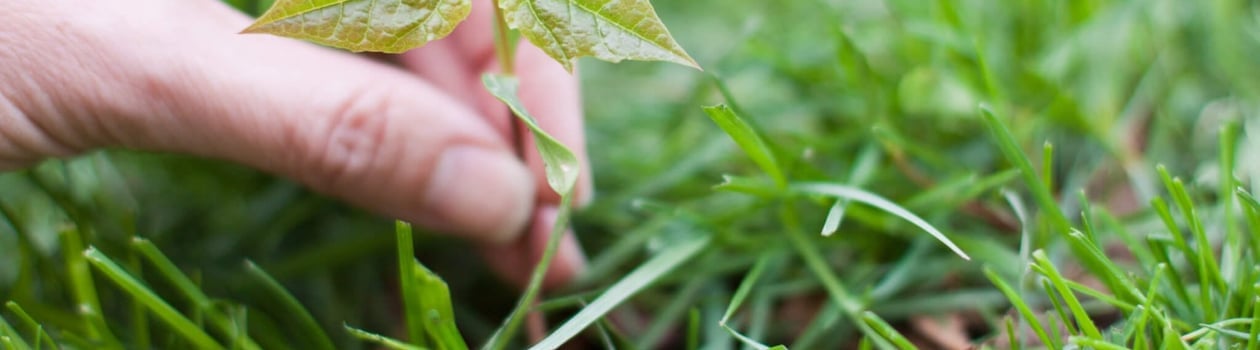
Take a close look at the yard before pulling anything, getting right down to observe those weeds up close. One simple way to begin is to treat the lawn or garden like a small nature walk. Slow down and notice differences instead of grouping everything together as “the weeds.”
Leaf shape, flower color, growth pattern, and where a plant appears all provide useful clues. Taking photos is especially helpful: capture clear images of the leaves, stem, and any flowers, then use them later to identify the plant. Even if the plant is removed afterward, knowing what it was turns routine weeding into a learning moment.
A thoughtful way to celebrate can also include a quick sorting step: which plants are actually harmful, and which are simply in the wrong place?
- Out-of-place but harmless: A volunteer flower growing in the wrong corner, a low groundcover in a bed that can handle it, or a single plant that is easy to remove before it spreads.
- Aggressive spreaders: Plants that travel by runners, scatter seeds widely, or regrow from small root pieces may require a more decisive approach.
- Potentially invasive species: Some plants spread so aggressively that they crowd out other vegetation and become a broader ecological concern. Appreciation does not mean allowing invasive species to take over. In these cases, careful removal is often the most environmentally responsible choice.
Celebrating can also mean leaving a small, controlled area untouched for observation. A “weed corner” or a narrow strip along a fence can serve as a tiny study plot.
Watching what appears there can show which plants thrive in certain conditions, when they bloom, and which insects visit them. If a tidy garden is the goal, this small area keeps the rest of the space orderly while still making room for curiosity.
For gardeners who enjoy practical projects, National Weed Appreciation Day pairs well with improving technique. Weeds often take advantage of bare soil, so a meaningful way to celebrate is to focus on prevention instead of constant pulling:
- Mulch garden beds to block light from reaching weed seeds and to help the soil retain moisture more evenly.
- Plant densely where possible, since healthy groundcover and closely spaced plants shade the soil and make it harder for opportunistic weeds to establish.
- Water intentionally, not broadly, because watering everything encourages everything. Targeted watering supports desired plants while creating less favorable conditions for weeds.
- Weed after rain or after watering, when the soil is softer and roots come out more easily. This reduces effort and lowers the chance of leaving root fragments behind.
Those interested in the culinary side of weed appreciation can explore edible traditions with care. Dandelion greens, chicory root, and other commonly mentioned “edible weeds” can be interesting ingredients, but safety should come first.
Only eat plants that are confidently identified, avoid areas treated with herbicides or exposed to heavy traffic pollution, and remember that “natural” does not automatically mean safe for everyone.
Some edible plants can still cause reactions, and many have look-alikes. Appreciation can simply mean learning plant names and noticing patterns without turning the yard into a food source.
Another simple way to celebrate is to shift the mindset around weddings. Instead of viewing it as an endless chore, think of it as garden editing. Removing a plant becomes a decision: it does not fit the plan, it competes with something more important, or it is growing in the wrong place.
This perspective makes the task feel less like a battle and more like shaping a living system. It also highlights the strengths weeds possess, even when they are removed: resilience, speed, adaptability, and the ability to survive in difficult conditions.
Finally, National Weed Appreciation Day can be marked by noticing beauty where it is least expected. Many weeds have delicate flowers, interesting seed heads, or leaf patterns that look surprisingly intentional.
A dandelion clock can be as sculptural as any ornamental plant, and tiny blooms pushing through a sidewalk crack can resemble a miniature garden that planted itself.
Weed appreciation is not about abandoning standards or letting the yard grow unchecked. It is about seeing what is already present, understanding why it is there, and choosing the next step with more awareness than frustration.
Small Weeds, Big Benefits
Often dismissed as unwanted plants, many common weeds play important roles in supporting ecosystems and even offering practical benefits for people.
From feeding early pollinators to enriching soil and providing traditional uses, these overlooked plants prove that what grows in the lawn can be more valuable than it first appears.
Weeds Help Feed Pollinators Before Gardens Wake Up
In early spring, when many ornamental plants have not yet flowered, common “weeds” such as dandelions, henbit, and chickweed can be among the first reliable nectar and pollen sources for bees and other pollinators.
Extension specialists note that early-flowering lawn weeds can support wild bee populations emerging from winter at a time when food would otherwise be scarce.
White Clover Quietly Fertilizes the Lawn
White clover, often viewed as a nuisance in turf, is a legume that hosts nitrogen-fixing bacteria on its roots.
These microbes convert atmospheric nitrogen into forms plants can use, effectively acting as a natural fertilizer and reducing the need for synthetic nitrogen in mixed grass–clover lawns and pastures.
Plantain Leaves Are a Traditional Backyard Bandage
Broadleaf plantain, a very common lawn weed, has long been used in traditional herbal medicine for minor skin irritations.
University extension publications describe how the leaves contain bioactive compounds, including aucubin and allantoin, and have been used topically for insect bites, scrapes, and mild inflammations, although they are not a substitute for modern medical care.
Stinging Nettles Are Nutrient-Rich “Weeds” in the Kitchen
Despite their painful sting, young stinging nettle shoots have been eaten as a cooked green in Europe and North America for generations.
Analyses summarized by university and cooperative extension sources show that nettles are rich in vitamins A and C, calcium, iron, and protein, which has led foragers and gardeners to treat them as a wild vegetable rather than just an invasive weed.
Chickweed’s Low Growth Habit Protects Bare Soil
Common chickweed forms dense, low mats that can quickly cover bare ground in cool seasons.
Weed science resources point out that this growth habit helps shade and protect soil, reducing erosion and surface crusting, even though the plant can be problematic in crops if not managed.
Its behavior illustrates how many “weedy” species are well adapted to stabilizing disturbed soils.
Dandelion Roots Have a Long Medicinal History
Long before dandelions became a symbol of an unkempt lawn, their roots and leaves were harvested as medicinal herbs.
Historical and pharmacognosy reviews describe their use in traditional systems such as Chinese and European folk medicine as bitters and diuretics to support digestion and fluid balance, and modern herbal monographs still list dandelion root as an approved medicinal plant in some pharmacopeias.
Weeds Evolved Alongside Agriculture Itself
Archaeobotanical research suggests that many of the plants people now call weeds emerged as specialists in disturbed, cultivated ground after early humans began farming.
Studies of ancient sites show weed seeds preserved with early cereal grains, indicating that “arable weeds” coevolved with crops and adapted to repeated tillage and harvest, making them some of humanity’s oldest botanical companions.
National Weed Appreciation Day FAQs
How do botanists define a weed compared with a native or invasive plant?
Botanists typically use the word “weed” as a practical term for any plant growing where people do not want it, rather than as a strict scientific category.
In contrast, “native” plants are species that occur naturally in a region without human introduction, while “invasive” plants are non‑native species that spread rapidly and cause ecological or economic harm.
A plant can be a weed in one context, and a valued native in another, and not all weeds are invasive.
Can common lawn weeds actually benefit pollinators and other wildlife?
Many common lawn weeds provide important nectar, pollen, and habitat, especially in early spring when other flowers are scarce.
Dandelions, clovers, and other flowering “volunteers” can help support bees, butterflies, and other insects by extending the flowering season and increasing plant diversity, which in turn benefits birds and other wildlife higher up the food chain.
What roles do weedy plants play in soil health and ecosystem recovery?
Weedy plants often act as ecological “first responders” on disturbed ground. Their fast growth and dense roots help stabilize soil, reduce erosion, and add organic matter as they die back.
Some species improve soil structure or capture nutrients that might otherwise be washed away, and a few fix nitrogen, which can enrich the soil for slower-growing plants that arrive later in succession.
Are any common weeds safe and nutritious to eat?
Several familiar weeds are traditionally eaten in many parts of the world, including dandelion greens, stinging nettle, purslane, and lamb’s quarters.
These plants can be rich in vitamins, minerals, and beneficial plant compounds, sometimes rivaling or exceeding the nutrient content of cultivated vegetables. Safe use depends on correct identification, harvesting from uncontaminated areas, and proper preparation to remove any natural irritants or toxins. [1]
Why do some weeds seem to take over gardens so quickly?
Many weedy species share traits that let them spread fast, such as rapid growth, abundant seed production, efficient seed dispersal, and the ability to regrow from root fragments or underground stems.
Some also tolerate poor soils, drought, or repeated cutting better than cultivated plants. These adaptations give them a competitive edge in disturbed environments like tilled garden beds or compacted urban soils.
How can someone manage unwanted weeds without relying heavily on synthetic herbicides?
Weed management without much herbicide use usually combines several strategies.
These can include mulching to block light, hand‑pulling or hoeing young plants, mowing before seed set, encouraging dense groundcover or competitive crops, and rotating plantings so the same species is not stressed year after year.
In some settings, carefully managed grazing or flame‑weeding is also used as part of an integrated weed management plan.
Is it always a good idea to leave weeds for biodiversity, or can that cause problems?
Leaving some non‑problematic weeds can increase habitat and food sources for wildlife, but it is important to distinguish them from invasive or noxious species that harm ecosystems or agriculture.
Allowing invasive plants to spread can displace native species, reduce habitat quality, and increase management costs.
Many conservation and land‑management agencies recommend encouraging native or non‑invasive plants while actively controlling species that are officially listed as invasive or noxious.



You may also like
National Weed Your Garden Day
Celebrate National Weed Your Garden Day by pulling pesky weeds, refreshing beds, and nurturing healthier, more beautiful plants in any garden or container space.
National Dandelion Day
Few plants stir as many opinions as the dandelion. Some yank them out without a second thought, while others smile at the sight of their sunny heads. National Dandelion Day invites people to slow down and take a closer look. These golden bursts of color aren’t just pretty—they signal early...
Festival of Life in Cracks Day
Festival of Life in Cracks Day celebrates nature's surprising ability to flourish in unlikely places. This holiday focuses on finding beauty in the little green sprouts, flowers, and weeds that push through cracks in sidewalks or forgotten corners of cities. It’s about recognizing that even in tough, overlooked spaces, life...

Keep Off the Grass Day
Keep Off the Grass Day is a lively reminder to appreciate and protect green spaces, especially the everyday lawn. Grass can look tough, but it is a living carpet with shallow roots, delicate blades, and an ongoing need for air, water, and sunlight. This day spotlights how quickly a yard...
- Australia
- Canada
- United Kingdom
- and 1 more
National days and holidays on March 28 2027

March Madness
Get your game face on for March Madness! This high-energy tournament is a slam dunk of excitement, passion, and heart-pumping action. So grab your team colors, gear up for the showdown, and let the madness begin!

Semana Santa
Semana Santa, or Holy Week, is a profound time of reflection and devotion in many Christian communities. Streets come alive with solemn processions, participants carry religious icons, and traditional music fills the air. This period focuses on the final days of Jesus Christ, drawing believers together in shared faith and contemplation...

International Women in Music Day
Talented and trailblazing, these artists harmonize their voices and instruments, leaving an indelible mark on the music landscape.
- Australia
- Canada
- International
- and 2 more

National Tsunami Awareness Week
National Tsunami Awareness Week sparks a wave of readiness during this time each year. This week is set aside to spread knowledge about the serious threat of tsunamis, especially in regions with high risk! How to Observe National Tsunami Awareness Week Host a Tsunami Trivia Night Gather friends or neighbors for a...
Seize Every Day
Join free for personalised recommendations, email reminders and exclusive guides. Never miss a day.