National Day of Action on Syringe Exchange
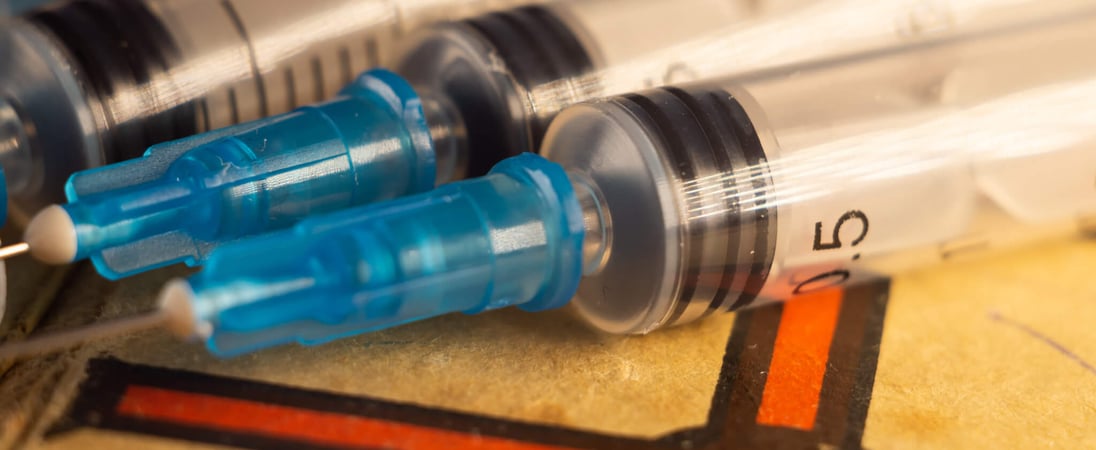
The National Day of Action on Syringe Exchange highlights the importance of syringe service programs (SSPs) in public health and harm reduction.
These programs are practical, community-facing responses to a complicated reality: some people inject drugs, and the risks tied to unsafe equipment and unsafe disposal can ripple outward to families, neighbors, healthcare systems, and first responders.
This day emphasizes providing sterile syringes and safe disposal options for those who inject drugs, helping reduce the transmission of HIV, hepatitis C, and other infections.
It also spotlights the broader menu of services many SSPs offer, from education on safer injection practices to referrals for treatment, testing, and other healthcare supports.
How to Observe the National Day of Action on Syringe Exchange
Here are some lively ways for anyone to join the National Day of Action on Syringe Exchange and help spread awareness and compassion. The day is about connecting with others, learning, and supporting change in communities.
Observing it can be as simple as getting better informed or as hands-on as supporting a local program’s work in a concrete, practical way.
Educate and Spread Awareness
Share accurate information about syringe service programs (SSPs) on social media, and start conversations with friends and family about how these initiatives prevent disease and support community safety.
A good place to begin is by explaining what SSPs really offer. Many people still imagine a simple needle exchange, but today’s programs often deliver a range of coordinated public health services. Depending on local laws and funding, they may provide:
- Sterile syringes and safer-use supplies to prevent sharing or reuse
- Safe collection and disposal options to keep used needles out of public spaces
- Education on overdose prevention and safer practices
- HIV and hepatitis testing or referrals
- Vaccination services or referrals where available
- Connections to substance use treatment, medical care, housing assistance, and mental health support
Clear understanding builds public support. Use #SyringeExchangeDay to help amplify evidence-based information online. Language matters, too. Terms like “people who inject drugs” and “substance use disorder” focus on health rather than judgment. Reducing stigma is critical because shame often keeps people from seeking care, carrying safer supplies, or accepting referrals.
Another effective step is calm myth-busting. Some people worry that SSPs increase drug use, crime, or public litter. Research and real-world experience consistently show the opposite: well-run programs reduce unsafe disposal, lower disease transmission, and connect people to treatment without increasing drug use. Harm reduction is not approval of drug use. It is a practical strategy to reduce immediate risks while keeping the door open to recovery.
Show Some Volunteer Spirit
Find out whether local syringe service programs are looking for volunteers. Many organizations rely on community support for clean-up efforts, supply organization, and outreach.
Because these programs serve vulnerable populations and handle sensitive information, training is usually required. This preparation often covers confidentiality, de-escalation skills, safe handling procedures, and respectful, nonjudgmental communication. Volunteers may also learn basic public health concepts, such as how infections spread through reused equipment and why consistent access to sterile supplies matters.
Even small contributions help keep services running smoothly. Volunteers might assemble kits, sort donations, prepare educational materials, assist at check-in tables, or support outreach efforts. If there is no local program nearby, remote help may still be possible through administrative support, communications, or event coordination.
Some organizations maintain a low public profile to protect participants and avoid political pressure. If volunteer information is not posted online, it may simply mean outreach needs to happen carefully and with permission.
Get Involved in Policy Discussions
Attend community meetings or contact local representatives to support harm-reduction policies.
Policy decisions often determine whether SSPs can operate, what services they are allowed to provide, and how safely staff can do their work. Regulations may limit syringe distribution, require one-for-one exchanges, or restrict disposal options. These details affect whether people return used supplies, whether sharing occurs, and how much public litter appears.
When advocating, focus on shared community priorities:
- Preventing HIV and hepatitis outbreaks
- Reducing healthcare costs from preventable infections
- Improving neighborhood safety by lowering syringe litter
- Protecting sanitation workers, park staff, and first responders from needle-stick injuries
- Expanding access to treatment and healthcare
Public conversations about drug use can become emotional. Keeping the focus on safety, prevention, and practical outcomes helps maintain productive dialogue.
Support a Donation Drive
Consider donating supplies such as gloves, hygiene items, or wound-care basics to a local harm reduction program. Many organizations depend on community contributions to maintain essential services.
Before collecting items, check what is actually needed. Requests often include:
- Alcohol prep pads and basic first-aid materials
- Bandages and wound-care supplies where permitted
- Personal protective equipment such as gloves
- Biohazard bags or puncture-resistant containers (if accepted)
- Hygiene products like soap, wipes, or menstrual supplies
Donation drives can be organized through workplaces, schools, or community groups, but coordination is important. Many programs have limited storage and strict safety requirements, so it is best to gather only approved items.
Financial donations can be equally valuable. Funding helps cover disposal services, outreach costs, staffing, and operational needs that may not be fully supported by public funding.
Organize a Safe Disposal Event
If there is community interest, work with a local organization or health department to host a safe syringe disposal event.
These events reduce risks in public spaces and provide clear information about proper disposal. They also give residents practical guidance on what to do if they encounter a discarded syringe.
Safety planning is essential. Events should include sharps containers, clear instructions, and trained personnel. Community members should not be encouraged to handle needles without proper tools or training. Instead, provide information on who to contact and where permanent disposal sites are located.
Disposal events can also include educational materials and resource booths. Seeing how safe disposal improves public spaces helps shift the conversation toward real-world benefits rather than abstract debate.
Why Celebrate National Day of Action on Syringe Exchange Day?
Syringe service programs often serve as an entry point to broader healthcare and support services. For many participants, an SSP may be the only consistent contact with the health system, especially when barriers like stigma, lack of insurance, or fear of legal consequences exist.
By providing sterile supplies and safe disposal, these programs protect both individual and community health. Respect and dignity are not just ideals. When people feel treated fairly, they are more likely to return, dispose of used syringes properly, accept testing, and consider treatment when they are ready.
Many SSPs also distribute naloxone and provide overdose response training, helping prevent fatal overdoses. This reflects the core principle of harm reduction: prevent the most serious outcomes while building pathways to care.
This approach treats substance use as a health issue rather than a moral failure. Keeping people alive, connected, and medically stable increases the chances of long-term recovery and stability.
There are broader community benefits as well. Safe disposal reduces the number of needles in public areas, protecting children, sanitation workers, and first responders. Preventing infections and outbreaks also reduces the burden on emergency rooms and public health systems.
In addition, SSPs often identify early warning signs of emerging health risks, such as changes in drug supply, rising infection rates, or increases in overdoses. This real-time insight allows public health agencies to respond quickly and more effectively, preventing small problems from becoming larger crises.
National Day of Action on Syringe Exchange Timeline
1984
First Government-Approved Needle Exchange Begins in Amsterdam
Health authorities in Amsterdam approve a pilot needle exchange organized with the local “Junkiebond” user union to curb hepatitis B, creating what is widely regarded as the world’s first modern syringe exchange program.
1986
Early Underground Syringe Exchange Starts in New Haven
The National AIDS Brigade, led by Jon Stuen-Parker, begins distributing sterile syringes to people who inject drugs in New Haven, Connecticut, as an act of civil disobedience in response to the HIV epidemic.
1988
First Government-Funded U.S. Syringe Exchange Opens in Tacoma
The Point Defiance AIDS Project launches in Tacoma, Washington, becoming the first needle exchange program in the United States to operate with government funding and serving as a model for later public health efforts.
1994–1995
Federal Review Finds Syringe Exchanges Do Not Increase Drug Use
After reviewing available data, U.S. federal agencies and expert panels conclude that syringe exchange programs reduce HIV risk without increasing drug use, helping shift them from controversial experiments to recognized public health tools.[4]
1997
National Academy of Sciences Endorses Needle Exchange Programs
The National Research Council and Institute of Medicine report that needle exchange programs reduce HIV transmission among people who inject drugs and find no evidence they encourage drug use, strengthening the scientific basis for harm reduction.
2004
Systematic Review Confirms HIV and Hepatitis C Prevention Benefits
A major systematic review of needle and syringe programs finds they are associated with significant reductions in both HIV and hepatitis C among people who inject drugs, reinforcing their role as core harm reduction interventions.
2016
U.S. Policy Starts Allowing Federal Support for Syringe Services
Congress partially lifts the longstanding ban on federal funding for syringe services programs, permitting federal dollars for program support (but not for purchasing syringes) and acknowledging their effectiveness in preventing HIV and hepatitis C.
History of the National Day of Action on Syringe Exchange
The National Day of Action on Syringe Exchange began in 2012 to promote the life-saving role of syringe services in communities. Its creation came from a growing need to reduce harm among people who inject drugs by providing sterile syringes, lowering the risk of spreading HIV, hepatitis C, and other infections.
In the US, the political history of syringe exchanges is fraught with struggles and frustrations for those trying to help reduce the spread of HIV/AIDS and other health concerns.
For decades, advocates and public health workers faced a fundamental contradiction: research and on-the-ground experience showed that syringe access reduced infections, yet policy frequently restricted funding and operations.
In practical terms, that meant communities most at risk for HIV and hepatitis outbreaks could be the very places where evidence-based prevention tools were hardest to maintain.
In 2012, a law banning the use of federal funds for needle exchange programs was again passed. This National Day of Action was a response to such laws. The day became a way to organize public support, underscore the medical logic behind SSPs, and remind decision-makers that prevention policies have human consequences.
Even when federal funding is restricted, many programs continue through a patchwork of local funding, private donations, and nonprofit support, and that patchwork can be fragile.
The broader story of syringe exchange in the United States also includes persistent community activism. Before many SSPs were legally recognized or funded, some harm reduction efforts were created by local advocates responding to immediate HIV risk.
Those early efforts pushed public conversation toward the idea that saving lives and preventing infection should not depend on whether a person was already in treatment. Over time, the language evolved too, with “syringe service programs” increasingly used to reflect the reality that many sites do far more than exchange supplies.
Public health organizations like the Centers for Disease Control and Prevention (CDC) and local advocates have since supported the annual observance. They continue to stress that syringe services reduce not only disease but also accidental needle injuries in public areas.
Harm reduction has proven to be effective, and the National Day of Action brings people together to support this approach each year. It also creates a dependable moment for local programs to tell their stories, share outcomes, and invite community members into the work.
Now observed nationwide, the day encourages communities to support or start their syringe service programs. It also fosters discussions around changing policies that restrict access to clean syringes, aiming to expand these services where they are most needed.
Expansion is not only about geography, but it is also about scope: integrating testing, vaccination, and treatment referrals; improving disposal options; and supporting staff with training and resources.
Each year, the observance reminds people of the critical health benefits of harm reduction and the progress still needed in policy and public understanding.
It frames syringe services not as a niche issue, but as a straightforward public health tool: reduce preventable infections, reduce avoidable injuries, and create more entry points into care for people who might otherwise be missed.
National Day of Action on Syringe Exchange FAQs
How do syringe service programs affect the spread of HIV and hepatitis C?
Research from the U.S. Department of Veterans Affairs and other public health agencies shows that syringe service programs significantly reduce HIV transmission among people who inject drugs, with strong but somewhat more limited evidence for reductions in hepatitis C.
These programs do this by providing sterile equipment, safe disposal, and testing, and by lowering the rate of syringe sharing, which is a primary driver of blood‑borne infections. [1]
Do syringe service programs increase drug use or crime in a community?
Decades of studies reviewed by the Centers for Disease Control and Prevention and the National Institute on Drug Abuse have found that syringe service programs do not increase illegal drug use, injection frequency, or crime.
In fact, people who use these services are more likely to enter treatment and, over time, are more likely to reduce or stop injection drug use than those who do not use them.[2]
What kinds of services do modern syringe programs usually provide besides clean needles?
Contemporary syringe service programs typically offer a package of health services that can include HIV and hepatitis C testing, vaccination, naloxone distribution for overdose reversal, basic wound care, condoms, referrals to substance use treatment, and links to primary and mental health care.
Federal guidance from HIV.gov describes them as comprehensive “one‑stop” access points for prevention, care, and social services for people who inject drugs. [3]
Why do many health agencies favor “needs‑based” syringe distribution instead of strict one‑for‑one exchange?
The CDC reports that programs that allow people to receive as many sterile syringes as they need, rather than limiting them to one for each used syringe returned, are more effective at ensuring a sterile syringe is available for every injection.
Studies cited by the CDC show that needs‑based models are associated with lower levels of syringe sharing and better access to other health and prevention services, without increasing drug use.
How do syringe service programs improve safety for the general public and first responders?
By collecting and safely disposing of used syringes, these programs reduce needle litter in public spaces and lower the risk of needlestick injuries for sanitation workers, police, firefighters, and the public.
The CDC notes that HIV transmission from community‑acquired needlestick injuries is extremely rare, and that expanded access to syringe disposal through these programs further decreases that already low risk. [4]
What role do syringe programs play in responding to the opioid overdose crisis?
Syringe service programs are a key access point for overdose prevention because they often distribute naloxone, train people to recognize and respond to overdoses, and connect participants to medications for opioid use disorder, such as buprenorphine or methadone.
The National Institute on Drug Abuse emphasizes that locating these services where people already inject drugs allows earlier intervention and can reduce fatal overdoses over time. [5]
How do international health organizations view syringe and needle programs?
Guidance from the World Health Organization and the United Nations Office on Drugs and Crime identifies needle and syringe programs as an essential component of HIV prevention among people who inject drugs.
Their joint technical guide recommends wide access to sterile injecting equipment, combined with opioid agonist therapy and other harm‑reduction measures, as part of a comprehensive public health approach rather than a criminal justice strategy. [6]
Also on ...
View all holidays
National Single Parent Day
Raising kids solo can be tough, but single parents are superheroes who manage it all. Hats off to their resilience, love, and dedication!

World Down Syndrome Day
Embrace the resilience and unique beauty that shines brightly within individuals who possess an extra chromosome, fostering compassion and understanding.

World Poetry Day
With words as paint and emotions as the canvas, verses come alive, painting stories of heart and soul, in a symphony of expression.
We think you may also like...
International Overdose Awareness Day
Wear silver or purple, attend an event or seminar, and help raise awareness about the prevalence of overdoses and how such events can destroy families.
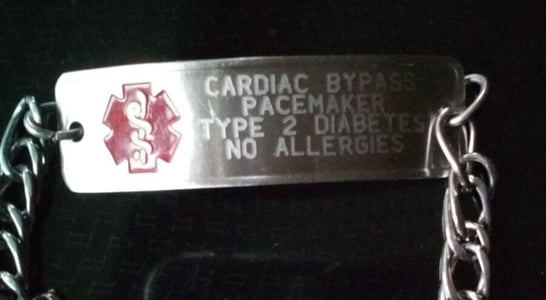
MedicAlert Awareness Month
Wearable lifesavers, providing crucial medical information, ensuring prompt care and potentially saving lives during emergencies.