Skip to content

A crunchy, savory egg roll has a way of making a meal feel like a small celebration, even when it is just a quick bite at home or a favorite takeout order. Found in many Asian restaurants across the United States and increasingly made at home in creative ways, egg rolls deliver big flavor in a tidy, handheld package. National Egg Roll Day is a playful excuse to appreciate the crackle of a crisp wrapper, the steamy filling inside, and the countless variations that keep this appetizer firmly in the “always a good idea” category.

How to Celebrate National Egg Roll Day

Have loads of fun celebrating National Egg Roll Day and enjoy the day best with some of these ideas: 

Enjoy Some Egg Rolls 

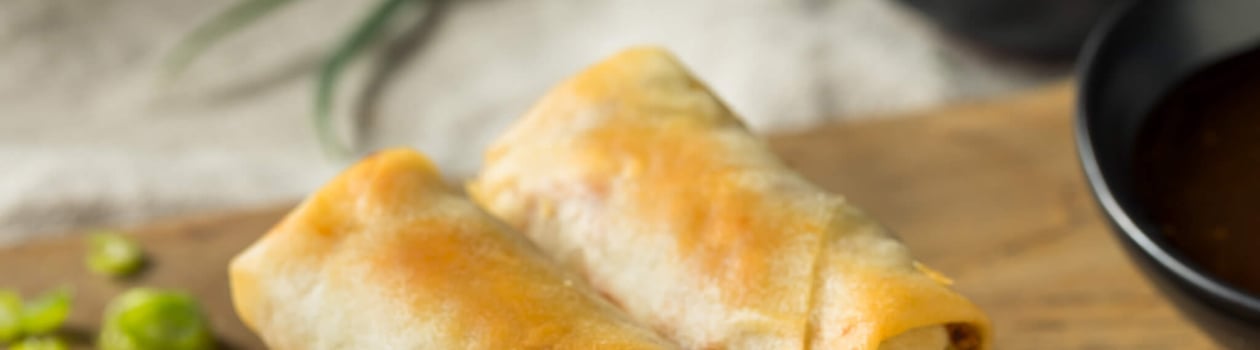
The easiest way to celebrate is to eat egg rolls on purpose, not as an afterthought. Pick a style that sounds good, then make it the star of the snack table. Some people love the classic American Chinese restaurant version with a hearty cabbage-and-carrot filling and a deep-fried shell that shatters when bitten. Others prefer thinner, extra-crisp rolls, or versions packed with shrimp, chicken, pork, or vegetables.

For a “tasting flight” approach, try sampling egg rolls from a few different sources. Restaurant egg rolls, takeout counters, and frozen options can all be surprisingly different. Some are built around shredded cabbage and carrot with a light meat accent, while others go heavy on pork, chicken, or shrimp. Some are blistery and bubbly on the outside, while others are smoother and more evenly crisp. Comparing them side by side turns a familiar appetizer into an event and makes it easier to notice what styles people actually like.

Dipping sauces can make the experience even more interesting. A single egg roll can taste completely different depending on what it is paired with. Sweet-and-tangy sauces, soy-based dips, and spicy condiments each highlight different parts of the filling. For a casual spread, set out small bowls of a few sauces and encourage friendly “dip debates” about which pairing works best.

Egg rolls also work well as a shareable snack platter. They can be cut on a diagonal into bite-size pieces, arranged on a tray, and served with sauces in the middle. That simple presentation makes them feel a little more special than “straight from the box,” while still keeping things easy and social. Pair the platter with crisp vegetables, a simple slaw, or fruit to balance the richness of fried food.

For a more community-minded celebration, consider buying from a local restaurant or small food business. Egg rolls are often a high-effort item behind the scenes, since fillings need to be seasoned and cooked properly, wrappers have to be rolled and sealed, and the cooking has to be timed for crispness. Ordering egg rolls is a small way to appreciate that craft, especially when the business makes them in-house rather than relying on a standard, mass-produced version.

For groups with different diets, it helps to make the spread inclusive. Vegetable egg rolls are widely available, and some kitchens offer options made without common allergens. When in doubt, it is worth asking what is in the wrapper and filling, since “egg roll” is a category, not a single standardized recipe.

Try Making Egg Rolls at Home 

Those who are adventurous in the kitchen might want to try making their own egg rolls in celebration of National Egg Roll Day.

For the best results, an Asian grocery store can be helpful for finding egg roll wrappers, aromatics, and sauces, but home cooks can also make excellent rolls with standard supermarket ingredients. Start with a filling that tastes good on its own, since the wrapper is mainly about texture. A classic approach begins with finely shredded cabbage and carrot, plus aromatics like garlic and ginger, then adds a protein such as pork, chicken, shrimp, or tofu.

The key is moisture control. Egg roll fillings should be flavorful but not watery, since excess liquid can make wrappers soggy and can cause oil splatter during frying. Many home cooks cook the filling first, then let it cool and drain before wrapping. A quick sauté over medium-high heat helps evaporate moisture and keeps flavors bright. Chopping ingredients fairly small helps everything cook evenly and makes rolling easier.

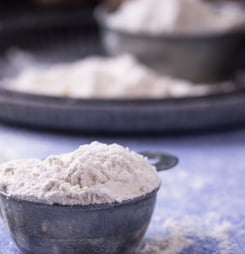
Wrappers matter more than people expect. Egg roll wrappers are typically thicker than spring roll wrappers, which helps them stand up to a hearty filling and a crisp cook. They are usually wheat-based, and whether they contain egg depends on the brand and style. Keeping the wrappers covered with a lightly damp towel while assembling helps prevent drying and cracking, which makes sealing easier.

Rolling technique is its own little craft project. Most methods follow the same general idea: place the wrapper like a diamond, add a modest amount of filling near the bottom, fold the bottom corner up and over, fold in the sides, then roll tightly toward the top corner. A dab of water, or a simple flour-and-water paste, helps seal the edge. Rolling snugly helps prevent oil from seeping in and reduces the chance of the egg roll bursting open.

Deep frying is traditional, but it is not the only option. Many home cooks like to bake egg rolls for a lighter crunch, brushing or spraying the outside with a little oil to encourage browning. Air fryers also do a respectable job, especially when egg rolls are turned partway through so both sides crisp evenly. Pan-frying can work too, though it usually produces a different texture than full immersion frying. Whatever method is used, the goal is the same: a hot, crisp exterior and a thoroughly heated interior.

For cooks who love customization, National Egg Roll Day is a perfect excuse to experiment while still keeping the basic idea intact. Some popular twists include vegetable-forward rolls with mushrooms and scallions, seafood versions with shrimp and a touch of sesame oil, spicy fillings with chili paste, and “leftover remix” rolls that use cooked meats and vegetables already on hand. The wrapper gives everything a familiar crunch, even when the filling plays by different rules.

Egg rolls also freeze well when assembled, which means the day can double as a meal-prep win. Arrange uncooked rolls in a single layer to freeze, then store them in a bag or container. Cook from frozen using a method that fully heats the center, and take extra care with food safety when raw meat, hot oil, or both are involved.

Learn Fun Facts About Egg Rolls

In celebration of National Egg Roll Day, consider rolling out some of these fun facts and sharing them with friends to raise awareness for the day. Get a head start with some of these bits of trivia about egg rolls:

  • Egg rolls are made with wheat flour and often contain no eggs!

  • Egg rolls are traditionally dipped in sauces, such as duck sauce, plum sauce, soy sauce or hot mustard.

  • Egg rolls are different from spring rolls in that they are larger and usually contain pork, while spring rolls are often vegetarian.

National Egg Roll Day Timeline

  1. Emergence of early Chinese spring roll–style pastries

    In China, thin wheat-flour pancakes filled with vegetables appear in records as seasonal foods for the Spring Festival, seen as ancestors of later fried spring and egg rolls.

  2. Spring rolls become associated with Lunar New Year customs

    By the Song period, “spring dishes” that included rolled pancakes with fillings were popular for welcoming spring, helping establish the cultural link between rolled snacks and prosperity.

  3. Chinese immigrants bring fried roll traditions to the United States

    Cantonese immigrants arriving during the California Gold Rush and building the transcontinental railroad introduce regional dishes, including various pan‑ and deep‑fried rolls, that evolve in American Chinatowns.

  4. Publication of “Chinese-Japanese Cook Book” in America

    One of the first English‑language Chinese cookbooks, it describes stuffed and fried pastries from Chinese cuisine, laying groundwork for American adaptations like the later egg roll.

  5. Rise of American Chinese restaurants and snack foods

    As chop suey houses and Chinese restaurants spread in U.S. cities, chefs experiment with heartier, fried appetizers tailored to American tastes, setting the stage for the thick‑skinned egg roll.

  6. Henry Low’s egg roll recipe appears in “Cook at Home in Chinese”

    Chef Henry Low of New York’s Port Arthur Restaurant publishes a recipe titled “Egg Roll,” using a wheat‑flour wrapper and pork‑cabbage filling, one of the earliest known printed American egg roll recipes.

  7. Frozen egg rolls enter U.S. supermarkets

    Postwar demand for convenience foods leads food companies to mass‑produce frozen “Chinese” items, including egg rolls, helping cement the egg roll as a familiar American snack and appetizer.

  8. Global fried rolls like lumpia and chả giò gain U.S. visibility

    Immigrants from Vietnam and the Philippines popularize their own fried rolls, such as chả giò and lumpia, broadening Americans’ understanding of stuffed, fried rolls related to the egg roll concept.

History of National Egg Roll Day

Egg rolls have a history that reflects a familiar pattern in food culture: an idea travels, adapts, and becomes something new in a different setting. Many cuisines have some version of “savory filling wrapped in a thin dough, then cooked,” because it is practical, portable, and satisfying. The egg roll that many people recognize from American Chinese restaurants is a particular style that developed to suit local tastes, ingredient availability, and restaurant kitchens that needed efficient, crowd-pleasing appetizers.

In the United States, “egg roll” generally points to a larger, thicker-wrapped roll that is cooked until crisp and often filled with a cabbage-based mixture plus meat or seafood. That style pairs well with the American restaurant tradition of shareable starters and dipping sauces. It also holds heat and texture well for takeout, which helped make it a staple in many communities.

The origin story of the egg roll is often debated, partly because restaurant dishes evolve through many hands. Early Chinese-American restaurants helped define what diners came to expect from the category, and menus shifted as chefs adapted to what customers wanted and what ingredients were readily available. Over time, “egg roll” became a recognizable promise: a crunchy exterior, a savory filling, and a dip-friendly snack that shows up at the table hot and disappears fast.

In popular retellings, a handful of restaurants and chefs are sometimes credited with introducing or popularizing early versions of the dish. Those stories are hard to pin down in a definitive way, and the more useful takeaway is simpler: egg rolls became established through restaurant culture. They were repeatable, satisfying, and easy to share, which are powerful traits for any appetizer trying to earn a permanent place on a menu.

As the dish spread, it kept changing. Some versions leaned peppery and savory. Others became milder, designed to appeal to as many diners as possible. Some focused on vegetables. Others treated vegetables as the supporting cast for a hearty protein filling. The wrapper became part of the identity too. A thicker wrapper created a crunch that stood out, and that sensory payoff helped make the egg roll feel like a treat, whether it was served at a table or eaten from a takeout container.

Egg rolls also sit alongside a broader family of rolled snacks that appear across many Asian cuisines and within immigrant communities, each with its own technique and tradition. Vietnamese fried rolls, Filipino lumpia, and different Chinese regional rolls show how flexible the basic concept can be. The American-style egg roll is one expression among many: often bigger, sturdier, and built for that loud crunch people associate with classic takeout.

National Egg Roll Day was created to spotlight this beloved food and the people who make it. It is commonly described as an observance established by Van and Kim Nguyen, Vietnamese immigrant food entrepreneurs associated with a business known for ready-to-cook egg rolls. While details about the holiday’s beginnings can vary depending on the source, the intent is straightforward: celebrate egg rolls as comfort food and as a reminder of how recipes and food traditions travel, adapt, and thrive.

In that spirit, National Egg Roll Day is not only about the appetizer itself, but also about the small acts of cooking and sharing that surround it. Whether the egg rolls come from a restaurant counter, a home kitchen, or the freezer aisle, the day invites people to pay attention to the details that make a great egg roll: a wrapper that crisps without turning greasy, a filling that is seasoned and not too wet, and that first bite that delivers both crunch and warmth.

You may also like

white easter egg rolling

People & Relationships

White House Easter Egg Roll

The White House Easter Egg Roll is a long-standing and cherished Easter Monday tradition for adults and children alike. This annual event is full of history and festivity. It’s a day when the President’s staff invites families from around the United States to participate in an egg-rolling race. The atmosphere is...

  • United States
egg cracking competition

Countries & Cultures

Egg Cracking Competition

The Egg Cracking Competition, known as tsougrisma in Greek, is a lively tradition celebrated during Greek Easter. Participants hold red-dyed eggs and take turns tapping them against each other. The goal is to crack the opponent’s egg without breaking your own. This playful event is more than just a game...

  • Armenia
  • Canada
  • Croatia
  • and 4 more

Food & Drink

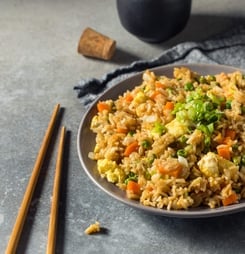
National Fried Rice Day

The savory goodness of fluffy, steaming grains, expertly combined with tender meats, fresh vegetables, and a symphony of exotic spices.

  • China
  • Japan
  • Thailand
  • and 1 more
National Sausage Roll Day

Food & Drink

National Sausage Roll Day

Celebrate National Sausage Roll Day by enjoying flaky, savory pastry snacks, learning their British roots, trying new recipes, and sharing them at parties and picnics.

  • Australia
  • New Zealand
  • United Kingdom
  • and 1 more

Seize Every Day

Join free for personalised recommendations, email reminders and exclusive guides. Never miss a day.

Jump to main navigationJump to content