National Flapjack Day
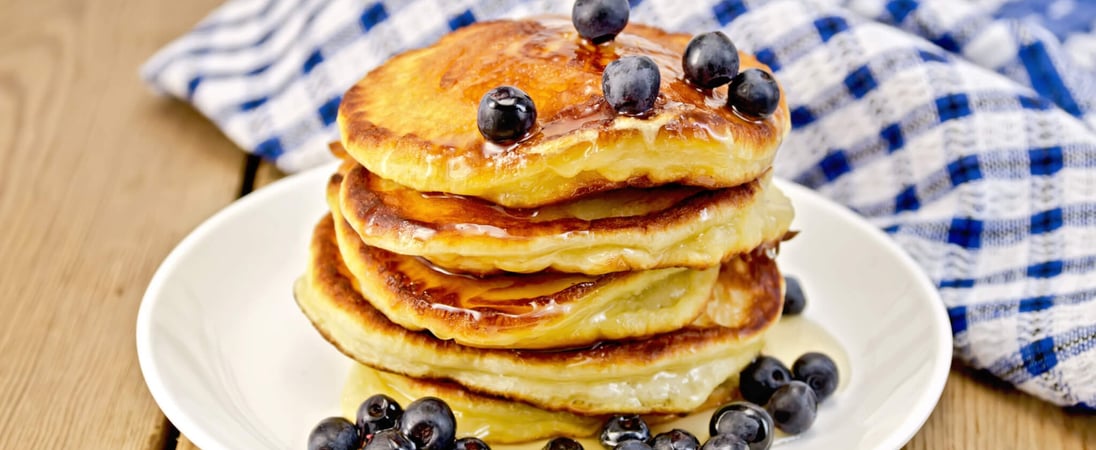
Providing a perfect opportunity to celebrate something amazing that often gets overlooked, National Flapjack Day is here to encourage the celebration of this simple but incredible little breakfast food.
Grab the maple syrup and butter, pile up a plate of flapjacks and get ready to enjoy all of the yummy goodness you can stand! Because it’s time for National Flapjack Day!
History of National Flapjack Day
Flapjacks, also called pancakes in the US, have a history that dates back hundreds of years. It is unclear exactly when they originated, but it is believed that even the ancient Greeks had a sort of batter-like concoction they would pan fry as far back as 2500 years ago or more!
Some historical records show that flapjacks seem to have gotten their name in English some time around the 17th century, when the word “flap” was used to mean “flip”. While no one is quite sure where the term “jack” came into the equation, the flipping part certainly makes sense when considering how these fluffy little treats are made.
Founded in 2020 by Kodiak Cakes, National Flapjack Day makes a conscious effort to celebrate everything related to a hearty, delicious breakfast in an old-fashioned style, the way that the pioneers used to do! In fact, Kodiak Cakes is a company that is so dedicated to making breakfast healthy that they make their mixes with 100% whole grains and 14 grams of protein.
Plus, the Kodiak Cakes company is passionate about using responsibly sourced ingredients to protect the environment and the creatures who inhabit it, particularly the grizzly bears. Instead of calling them pancakes, this family owned company refers to them as flapjacks. Thus, the reason for the origination of National Flapjack Day!
National Flapjack Day Timeline
600 BC
Pancakes originate
Somewhere in ancient Greece, a poet describes the eating of warm cakes fried in a pan. [1]
1600s
Flapjacks get their start in England
The name seems to come from previous times when the word “flap” meant “flip”. [2]
1933
Recipe for flapjacks is published
The Nottingham Evening Post publishes a recipe for flapjacks.
1975
Flap Jack Shack restaurant opens
In Traverse City, Northern Michigan, a restaurant called Flap Jack Shack gets its start.[3]
2020
First National Flapjack Day is celebrated
Kodiak Company helps to establish the first National Flapjack Day on March 7. [4]
How to Celebrate National Flapjack Day
Pay heed to this tempting and delicious day by implementing some of these ideas for celebrating:
Enjoy a Plate of Yummy Flapjacks
Of course, the simplest way to get involved in National Flapjack Day is to pile up a stack of delicious flapjacks on a plate and get to eating them. Order them up at a diner that serves breakfast food–and ask for extra maple syrup!
Those who want to stay home to celebrate National Flapjack Day can certainly have fun making them at home. With a little bit of flour, some oil, milk, baking powder, and perhaps some eggs, it’s easy to whip up some flapjack batter at home and enjoy the deliciousness!
Get Creative with Flapjacks
Of course, there is nothing wrong with a classic and traditional stack of flapjacks made with the usual stuff. But perhaps in honor of National Flapjack Day, it would be fun to reach into that innovative side and make things a bit more interesting! Try out some of these ideas for inspiration:
- Pumpkin Flapjacks. This recipe for flapjacks is super easy when it is made using pumpkin from a can. Add some chocolate chips for an even more decadent flavor. Top with cinnamon syrup if desired.
- Nutella Stuffed Flapjacks. Plan these in advance by freezing some dollups of nutella on a sheet of baking paper. When making the flapjacks, pour some batter on the pan, add a nutella disc, and pour more batter over the top. The nutella melts and creates a yummy middle. Add strawberry slices on top for a fresh finish.
- Pina Colada Flapjacks. Add a can of pineapple chunks or crushed pineapple to the flapjack batter recipe, along with some coconut flakes. Top it off with a rum-sauce for a tasty island flavor.
- Lemon Ricotta Flapjacks. Make these delightfully fresh flapjacks by adding ricotta cheese and some lemon juice and lemon zest to the mix. Instead of maple syrup, finish it off with a light dusting of powdered sugar.
Host a Flapjack Eating Contest or Event
Because they are rather easy to make, filling and fairly affordable, flapjacks can be a fun food that works well for events, eating contests or fundraisers. Charities and non-profit groups or community organizers can enjoy National Flapjack Day as a time to throw a big party!
Invite various members of the community to participate in the event, some of whom will be in the kitchen making flapjacks like mad men! Whether a contest is created to see who can eat the most flapjacks, or a flapjack dinner is hosted to raise funds, it’s a fun day to bring people together.
It’s possible to charge a flat fee at the door for all-you-care-to-eat flapjacks, or make it a per-plate fee. Either way, National Flapjack Day is a perfect opportunity to enjoy a fantastic community gathering, raise awareness and earn some funds for a school, church or other organization or group.
Enjoy a National Flapjack Day Playlist
Pretty much any day can be a little better with a soundtrack playing in the background! Have tons of fun on National Flapjack Day by creating a themed playlist that offers a delightful time to listen and sing along. Get that playlist started with some of these pancake and flapjack themed songs:
- Banana Pancakes by Jack Johnson (2005)
- Bishop Danced by Bruce Springsteen (1998)
- Pancakes, Please by Sarah Silverman (2010)
- Polkadot Pancakes by Christine Lavin & The Mistletones (2003)
Learn the Difference Between British and American Flapjacks
Travelers beware! Americans who are heading over the ocean to the United Kingdom may find themselves a bit surprised if they pop into a cafe and order a stack of flapjacks. Though it seems to have originated in England and did at one point refer to pancakes, the term ‘flapjack’ has evolved into something else entirely.
Today, ordering a flapjack in the UK will probably produce something along the lines of a bar made with oatmeal and syrup or honey, more akin to a handmade granola bar than a pancake. Certainly, it’s probably not something a person would eat a stack of, nor does it come with a pat of butter or a cup of maple syrup!
National Flapjack Day FAQs
What is a flapjack?
In the US, flapjacks are synonymous with pancakes, but in the UK a flapjack is more of a granola style oatmeal bar. [1]
Can flapjacks be healthy?
Sure! If made with 100% whole grains and using natural sweetener like applesauce, flapjacks can be a healthier breakfast. [2]
What is the difference between pancakes and flapjacks?
For those in the United States, there is no difference except for the name!
Where did flapjacks originate?
Flapjacks seem to have gotten their start in 17th century England. [3]
Do flapjacks have gluten?
Flapjacks are traditionally made with gluten, but could use a non-wheat flour that makes them gluten free.
Also on ...
View all holidays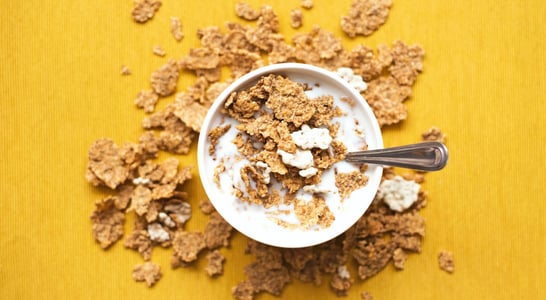
National Cereal Day
Start your day off right with a bowl of crunchy goodness, complete with milk and your favorite fruits. It's breakfast time!

National Sock Monkey Day
These soft, colorful, cuddly companions are a fun way to add some personality to any room — perfect for both kids and adults alike!

Alexander Graham Bell Day
With just one invention, he changed the world, making long-distance communication possible, and paving the way for modern communication.