
Gardens can be all shapes and sizes, filled with lush flowers that bring beauty to the world, or healthy vegetables to feed the family. Or, ideally, they can have both!
How to Celebrate National Gardening Day
Have tons of fun developing those skills as a gardener by enjoying National Gardening Day. Get started with the celebrations using some of these fun ideas:
Celebrate a Special Gardener
Even those who do not particularly have a bent for gardening themselves often know someone in their family or friend group who loves to garden. National Gardening Day is a great time to help them celebrate their delightful hobby and show appreciation for the beauty they bring to the world. Get them a card or a little gardening related gift, like a book or some seeds, that will help them improve their gardening skills or experience.
Learn More About Gardening
Even professional gardeners know there is always more to learn! This would be a great time to head over to a bookstore or the local library and choose some gardening books to read and learn from. Or some internet research might certainly be useful as well.
Consider getting access to one of these interesting books on the subject of gardening in honor of National Gardening Day:
- The Complete Gardener’s Guide: The One-Stop Guide to Plan, Sow, Plant and Grow Your Garden by DK (2020).
- Container and Raised Bed Gardening for Beginners and Beyond: A Guide to Growing Your Own Vegetables, Herbs, Fruit and Cut Flowers by Wendy Silveira (2020).
- Encyclopedia of Garden Plants for Every Location: Featuring More than 3,000 Plants by DK (2014).
- The Ultimate Flower Gardener’s Guide: How to Combine Shape, Color and Texture to Create the Garden of Your Dreams by Jenny Rose Carey (2022).
Join a Gardening Club
Most hobbies can be a bit more enjoyable and effective when people have access to others with similar interests from whom they can learn as well as give and receive support. A quick online search should reveal if there is already a gardening club or society in your local area that you could join as a way to celebrate National Gardening Day. If there isn’t one, perhaps this is just the right time to consider grabbing a few garden loving friends and getting a club started!
Do Some Gardening
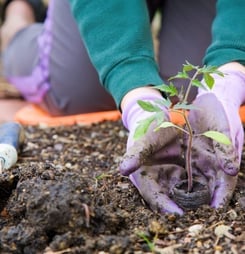
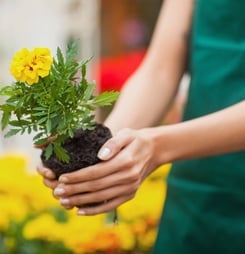
The amount of actual gardening that can be done outside on National Gardening Day really depends on the weather zone people live in. Those in southern, warmer climates can likely get started as the ground has already been producing some lovely green. Put some seeds directly into the ground or head over to the nursery and purchase some plants that will enhance that beautiful flower garden.
In cooler climates, April might still be a time when frosts are possible, so just be aware of what is most appropriate. Even if the weather isn’t great, it’s certainly possible to do some planning for the upcoming garden, or start some spring pruning, weeding or tilling. And this can also be a good time to get some seeds started inside so they are ready to be put outside when the time is right.
Teach a Child to Garden
In modern times and city living, the art of gardening can be easily lost. One super way to celebrate National Gardening Day might be to invest time and energy in a gardening project with a child. Kids love to help make things happen and see things grow, and gardening is a super way to teach responsibility, patience and nurturing, as well as other life skills. Plus, it’s a great way to spend some dedicated time with a child, most likely in the great outdoors!
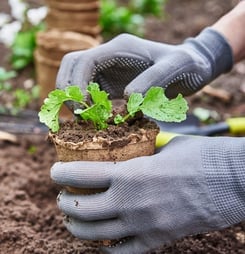
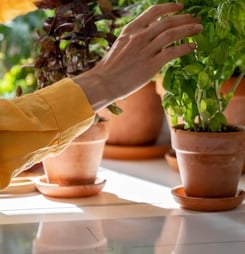
Gardening with a child can range from spending time with them on a full-on farm, to simply planting a few herb seeds to grow in a container garden indoors. When planting from seed, it is fun for kids to choose some seeds that are quick to produce shoots, so they can see their progress very quickly. Encourage some note-taking or journal keeping about the process of gardening so the child can learn from their documentation and develop their gardening skills in the future.
Start a Community Garden
National Gardening Day is the perfect time to help members of a community grow in their interest in gardening. See about getting a small plot of land donated as a trade off for taking care of it, perhaps from a corporate sponsor or the local government. Gardening clubs as well as schools can be great advocates for such a project.
Growing plants and food can really make a difference in the way people of a community interact, especially in an urban setting where possible. Projects like a community garden can bring people together, give them a common purpose and cultivate joy. Plus, it yields food that can be very important for times when food scarcity is a serious problem for many families.
History of National Gardening Day
Gardens have been around for centuries, whether for producing food or simply cultivating plants and flowers. Some traditions even celebrate the idea that life began in a garden that was a perfect paradise! The relationship between people and gardens has a rich history, especially when it comes to cultivating plants for food. But as cultures developed over time, beautiful plants and flowers have also taken their place in society.
Though gardens have been a part of human history for quite some time, National Gardening Day got its start fairly recently. In fact, the first National Gardening Day was celebrated in 2018, when it was founded by Cool Springs Press, which is a publisher of books on DIY gardening and home improvement.
The purpose of establishing National Gardening Day was to draw attention to the hobby of gardening while encouraging both amateur and professional gardeners to share their knowledge about gardening with the world. Most gardeners realize that the sharing of information and knowledge, including some of their mistakes, is an amazing way to promote better gardening practices locally and over a broader spectrum.
Interesting Facts About the Power of Gardening
Gardening is often seen as a relaxing hobby, but its impact reaches far beyond backyard enjoyment.
Research has shown that gardens can influence health, nutrition, and even the ecological balance of cities.
From hospital healing spaces to small household plots that improve food security, gardens quietly support both people and the environment.
These facts highlight some of the surprising ways gardening shapes well-being and communities around the world.
Therapeutic Gardens Are Used as a Formal Health Intervention
Since the 1980s, hospitals and rehabilitation centers have increasingly incorporated “healing gardens” into their design, using plants, paths, and quiet seating areas as part of treatment plans.
Controlled studies have found that access to such green spaces is linked with reduced pain medication use, lower blood pressure, and shorter postoperative stays, especially when patients can see or visit a garden from their room.
Home Gardens Quietly Support Global Food Security
In many low- and middle-income countries, small household food gardens provide a surprising share of daily nutrition, particularly for micronutrients like vitamin A and iron.
Research on “kitchen gardens” in South Asia and sub‑Saharan Africa shows they can increase vegetable intake and improve child nutrition even where landholdings are tiny, often using recycled household water and organic waste as inputs.
Community Gardens Can Boost Urban Biodiversity
Studies in cities across Europe and North America have found that community gardens often support more plant species, pollinators, and soil invertebrates than nearby parks or lawns of the same size.
Because gardeners mix ornamental flowers, herbs, and vegetables, these spaces create overlapping bloom periods and varied habitats that attract bees, butterflies, and beneficial insects throughout the growing season.
Soil Microbes in Gardens May Influence Mood and Immunity
Contact with garden soil exposes people to harmless environmental microbes that can “train” the immune system and may even affect the brain.
Experiments with a common soil bacterium, Mycobacterium vaccae, suggest it can trigger immune changes associated with reduced anxiety‑like behavior in animals, supporting the broader “old friends” hypothesis that regular exposure to diverse microbes is important for mental and physical health.
World Wars Helped Normalize Vegetable Gardening at Home
During both World War I and World War II, governments in the United States, the United Kingdom, and elsewhere ran major campaigns encouraging citizens to plant “victory gardens” to relieve pressure on public food supplies.
At their peak in the 1940s, American households cultivated millions of such gardens, producing an estimated 40 percent of the nation’s vegetables and leaving a lasting cultural association between home gardening and civic responsibility.
Raised Beds and Containers Can Outperform Traditional Plots
Research comparing gardening systems has found that raised beds and well‑managed containers can produce higher yields per square foot than conventional in‑ground rows, largely because of improved soil structure, drainage, and root conditions.
These intensive systems are especially effective in urban areas with compacted or contaminated soils, where imported soil mixes and barriers allow safe food production in small spaces.
Gardening Clubs and Master Gardeners Form a Volunteer Knowledge Network
Across the United States, the Cooperative Extension System runs Master Gardener programs that train volunteers in horticulture and then deploy them to help communities.
Since the first program began in Washington State in 1973, tens of thousands of Master Gardeners have provided free advice, classes, and demonstration gardens each year, creating a nationwide network that spreads research‑based gardening practices far beyond universities.
National Gardening Day Timeline
Humans cultivate plants
People begin planting seeds liberally, growing their own food.
Egyptian gardens use irrigation
Ancient Egyptians employ irrigation techniques, especially basin irrigation.
Hanging gardens of Babylon
Built by peasants and slaves, these gardens are famously built by King Nebuchadnezzar for his wife.
First use of “herbal”
The term “herbal” gets its first use in the Oxford English Dictionary.
English gardens become popular
These gardens get started as a rebellion against sculpted and unnatural architectural gardens.