

Few fruits are as beloved and versatile as grapes. Bursting with sweetness or a tangy bite, they brighten up everything from snack plates to carefully aged wines.
National Grape Day shines a light on this tiny but mighty fruit, reminding people how much it adds to everyday eating, special-occasion sipping, and plenty of in-between snacking.
Whether plucked fresh from the vine, dried into chewy raisins, or pressed into juice, grapes offer an impressive range of flavors and textures.
Their rich colors, from inky purples to pale greens and rosy reds, make them as appealing on the eyes as they are on the palate. Even their shape feels like a promise: pop one in and it delivers a neat little burst of refreshment.
Beyond their irresistible taste, grapes deliver notable health perks. They contain water for hydration, natural sugars for quick energy, and a mix of vitamins and minerals that contribute to overall wellness.
Their skins and seeds are also known for beneficial plant compounds, which is part of why grapes often show up in conversations about “eating the rainbow” and choosing foods with naturally occurring antioxidants.
A handful can satisfy a sweet craving, round out a meal, or elevate a plain bowl of yogurt into something that feels intentional. Grapes also play well with others, pairing with salty cheeses, toasted nuts, crisp greens, and even savory meats.
National Grape Day is not just about enjoying grapes. It is about noticing how many forms they take, how many foods they quietly improve, and how long people have valued them as both a treat and an ingredient.
How to Celebrate National Grape Day
Celebrating National Grape Day offers a delightful opportunity to appreciate this versatile fruit. Here are some engaging ways to mark the occasion:
Host a Grape-Themed Tasting
Invite friends and family for a grape-centric tasting event. Offer a selection of fresh grape varieties, from sweet red to tangy green, allowing guests to explore different flavors.
A little structure makes it more fun: serve grapes at different temperatures (room temp versus chilled), try them whole and halved, and encourage everyone to describe what they notice. Some grapes taste like candy, some are floral, and others have a bright, almost citrusy snap.
To make the tasting feel special without turning it into a project, set up simple pairing stations. Mild cheeses highlight sweetness, stronger cheeses bring out a grape’s acidity, and a handful of salted nuts can make fruity flavors pop.
For a kid-friendly twist, offer “dip options” like plain yogurt with honey or a nut butter for contrast. If the group enjoys beverages, a lineup could include sparkling water with a splash of grape juice or an assortment of grape-based drinks, keeping it accessible for different preferences.
Presentation includes grapes because they are naturally decorative. Use small bowls for each variety, label them if possible, and add a little “texture plate” with raisins or dried currants so people can compare fresh versus dried in one sitting.
Create Grape-Inspired Dishes
Experiment in the kitchen with grape-based recipes. Grapes are easy to add, but they also transform when cooked. Heat concentrates their sweetness and turns their juices into a quick sauce, which is why roasted grapes can taste surprisingly luxurious.
Try folding halved grapes into chicken salad for sweetness and crunch, or add them to a grain bowl with herbs and a tangy dressing. They also shine in simple salads: mixed greens, grapes, a sharp cheese, and a toasted nut is a classic formula for a reason. For something warmer, roast grapes with a drizzle of oil and a pinch of salt, then spoon them over toasted bread or alongside roasted vegetables.
Grapes work in desserts beyond the obvious fruit salad. Freeze seedless grapes for a refreshing, candy-like snack. Skewer them with other fruit for easy serving. Or simmer grapes gently into a compote to spoon over pancakes, oatmeal, or vanilla ice cream. A grape-forward menu can be casual and still feel like a celebration.
Enjoy a Grape Stomping Activity
Experience traditional grape stomping at a local vineyard, if available. This playful activity connects participants to age-old winemaking traditions and provides a memorable, tactile experience.
While modern winemaking typically relies on equipment for efficiency and consistency, stomping remains a fun way to imagine how people once turned harvests into wine with little more than strong feet and a sturdy container.
For those without access to a vineyard experience, a stomp-inspired activity can still be done at home in a clean container using food-safe items, focusing on the sensory element rather than actual fermentation. The point is the connection: grapes are not only for snacking. They have long been part of community gatherings, harvest work, and celebratory meals.
Craft Homemade Grape Juice or Wine
Try making grape juice or even fermenting a small batch of wine. Fresh juice can be as simple as blending grapes and straining, then chilling for a bright, naturally sweet drink. It helps to taste as you go since grape varieties vary widely in sweetness and acidity. Some batches benefit from a squeeze of citrus for balance, while others are sweet enough on their own.
If fermentation is on the agenda, it is worth approaching it as a learning project. Fermenting fruit involves cleanliness, patience, and attention to safety. Even those who never plan to make wine regularly can appreciate how much craft and chemistry go into turning grapes into a stable, complex beverage.
For a lower-effort version, serve grape juice “mocktails” with sparkling water, fresh herbs, and a slice of citrus. It delivers the festive vibe without the waiting period.
Learn About Grape Cultivation
Visit a vineyard to learn about grape growing and harvesting. Understanding cultivation deepens appreciation for the fruit and the work involved in bringing grapes from vine to table. Grapevines are trained, pruned, and managed carefully. The way vines grow on trellises is not just for looks; it helps control sunlight exposure, airflow, and fruit development.
Even without a visit, it is possible to learn by trying a small “at-home observation” project. Buy a cluster of grapes and look closely at the bloom, the faint dusty coating on the skin. Notice the stem structure and how berries vary in size. Taste grapes from the top of the cluster and the bottom. Small differences show how sunlight and ripeness can shift within the same bunch.
For anyone with outdoor space and the right conditions, growing a grapevine can be a longer-term celebration. Grapes are perennial plants, and caring for a vine encourages patience. It turns National Grape Day into something that can echo through future seasons.
National Grape Day Timeline
Early Near Eastern Grape Cultivation
Archaeological remains from sites in the South Caucasus and the Fertile Crescent show that wild Eurasian grapes were first cultivated and fermented into wine in this region, marking the beginning of viticulture.
Grapes Become Central in Ancient Egypt
Tomb paintings and jars from Old and Middle Kingdom Egypt depicts vineyards, grape harvesting, and wine offerings, showing that grapes had become important in agriculture, trade, and religious ritual along the Nile.
Greek and Roman Expansion of Viticulture
Greek colonists and later the Romans spread domesticated grapes and vineyard techniques around the Mediterranean, standardizing pruning, trellising, and winemaking methods that shaped European grape culture for centuries.
Grapes Introduced to the Americas
Spanish explorers and missionaries brought Old World grapevines to the Caribbean, Mexico, and later California, planting vineyards near missions and establishing the foundation for New World grape and wine industries.
Thompson Seedless Grape Introduced in California
Nurseryman William Thompson popularized a seedless grape variety in California that became the dominant table grape and raisin cultivar in the United States, transforming commercial production of fresh grapes and raisins.
Concord Grapes Popularized for Juice
Inventor Thomas Bramwell Welch’s pasteurization method for unfermented grape juice, using the American Concord grape, enabled mass production of shelf‑stable grape juice and reshaped nonalcoholic grape consumption.
Recognition of Grapes’ Antioxidant Benefits
Nutritional and medical research highlighted compounds such as resveratrol and flavonoids in grapes and red wine, linking them to heart health and antioxidant activity and boosting interest in grapes as a functional food.
History of National Grape Day
National Grape Day honors the grape’s significance in daily life, agriculture, cuisine, and culture. Grapes hold an unusual position among fruits: they are both a simple snack and a major agricultural crop with a deep connection to culinary traditions. They appear on cheeseboards, in lunchboxes, on restaurant menus, and in products that travel easily, such as raisins and juice concentrates.
Long before they were common in grocery store produce sections, grapes were cultivated as a valuable crop. Humans have grown grapes for thousands of years, selecting and propagating vines for desirable traits such as sweetness, color, skin thickness, and suitability for drying or winemaking.
That long relationship explains why grapes show up in so many forms. They are not one-note. A “grape” can mean crisp and refreshing, or jammy and intense, depending on the variety and the way it is processed.
One of the most interesting aspects of grapes is how clearly they demonstrate the difference between a fruit bred for eating fresh and a fruit grown for another purpose. Table grapes tend to be larger, with thinner skins and a satisfying crunch. Many are seedless for convenience, making them easy to pack, serve, and snack on.
Wine grapes are often smaller with thicker skins and more concentrated flavors, because the skins contribute color, tannins, and aromatic compounds during fermentation. Raisin grapes and other drying varieties are chosen for how well they dehydrate, concentrating sweetness and creating that chewy texture people recognize instantly.
Grapes have also long been valued for their practicality. Fresh grapes are portable and shareable, requiring no peeling or slicing. Dried grapes store well and travel even better, which helps explain why raisins and similar dried fruits became staples in many kitchens. Grape juice provides a nonalcoholic option that still carries the fruit’s signature flavor, and it can be blended, reduced, and used in cooking.
From a culinary standpoint, grapes offer balance. They bring sweetness, but also acidity and freshness, which is why they can complement rich foods. They can cut through creamy dishes, brighten savory sauces, and add contrast to salty ingredients. Their adaptability is part of their cultural staying power. It is hard to think of many fruits that can move so easily from snack to condiment to beverage to centerpiece.
National Grape Day also invites people to appreciate the science and labor behind grape growing. Vineyards and grape farms manage more than just plants. They monitor weather, soil conditions, pests, and timing, all of which influence grape quality.
Harvest decisions matter because grapes do not continue to ripen in the same way after being picked. That makes choosing the right moment a blend of experience and careful observation, whether the grapes are headed to a market, a drying rack, or a press.
Nutritionally, grapes have earned their reputation as a smart choice for many diets. They contain water and carbohydrates, along with fiber, especially when the skins are eaten. They also provide vitamins and minerals in modest amounts and are known for beneficial plant compounds found in the skins, seeds, and flesh.
Red and purple grapes are often associated with compounds like resveratrol and various polyphenols, while green grapes bring their own mix of phytochemicals. The takeaway is simple and useful: the more natural color and variety on the plate, the broader the range of plant nutrients people tend to consume.
While National Grape Day itself is a modern celebration, it points to something timeless: grapes have remained relevant because they are both pleasurable and useful. They are a fruit that fits into everyday routines and special occasions with equal ease.
Whether someone’s favorite grape is crunchy and green, deep purple and sweet, or dried and chewy, the day encourages a closer look at the fruit’s diversity and its long-running role in food and drink traditions.
Fascinating Facts About Grapes You Might Not Know
Grapes may seem like a simple everyday fruit, but they have a rich history, surprising science behind them, and a major role in global agriculture.
From ancient origins to modern health benefits, these facts reveal just how important and interesting grapes really are.
Ancient Grapes Were Domesticated Twice
Genetic studies suggest that wine grapes were domesticated at least twice, once in the Near East and once in the Western Mediterranean, from different wild Eurasian grape populations.
This helps explain the remarkable diversity in flavor, color, and climate tolerance among modern cultivated grape varieties.
Grapes Are Among the World’s Most Valuable Fruit Crops
Grapes rank as one of the top fruit crops globally by both volume and economic value, with more than 77 million metric tons produced in 2022.
While many people associate grapes primarily with fresh eating, the majority of the harvest is actually used for wine, followed by table grapes, raisins, and juice.
Resveratrol Is Only One Part of Grapes’ Heart-Healthy Chemistry
Resveratrol often gets the spotlight, but grapes contain a wide array of polyphenols, including flavanols, anthocyanins, and phenolic acids, that together support cardiovascular health.
Human studies indicate that whole-grape and grape-extract consumption can improve blood vessel function and reduce markers of oxidative stress beyond what resveratrol alone accounts for.
Table Grapes Are Mostly Water, Yet Nutrient-Dense
Fresh grapes are roughly 80 percent water by weight, but they still deliver important nutrients such as vitamin K, vitamin C, potassium, and small amounts of B vitamins.
A typical 1-cup serving of grapes provides about 104 calories, virtually no fat, and contributes to daily fruit intake recommended by dietary guidelines.
Grapes Help Protect Skin From UV Damage at the Cellular Level
Research has found that consuming grape powder rich in natural polyphenols can increase the resistance of skin cells to UV-induced damage.
In one controlled trial, participants who consumed freeze-dried grape powder equivalent to about 2.25 cups of grapes daily showed fewer DNA damage biomarkers in skin cells after UV exposure.
Seedless Grapes Are Clones Propagated by Cuttings
Most seedless grape varieties do not reproduce reliably by seed and are instead propagated vegetatively, meaning new vines are grown from cuttings of existing plants.
This cloning process preserves desirable traits such as sweetness, texture, and lack of seeds, but also makes vineyards more vulnerable to diseases if genetic diversity is low.
Raisins Concentrate Grapes’ Antioxidants and Minerals
Drying grapes into raisins removes most of the water and concentrates natural sugars, fiber, and micronutrients.
Compared to the same weight of fresh grapes, raisins contain significantly higher levels of potassium, iron, and certain antioxidants, which is why a small handful can be a dense source of energy and minerals.
National Grape Day FAQs



You may also like
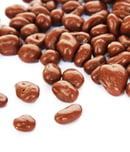
National Chocolate Covered Raisin Day
Satisfy your sweet tooth with a delightful treat that combines the goodness of fruit and the indulgence of chocolate.
- Canada
- United Kingdom
- United States

National Grape Popsicle Day
Celebrate National Grape Popsicle Day by enjoying nostalgic frozen treats, making homemade grape popsicles, and sharing fun facts about this classic dessert.
- United States

National Raisin and Spice Bar Day
Imagine biting into a soft, chewy bar where sweet raisins meet warm spices like cinnamon and nutmeg. That's the delight of a raisin and spice bar—a treat combining dried fruits with aromatic spices to create a comforting snack. These bars have been cherished for generations, offering a simple yet flavorful...
- United States
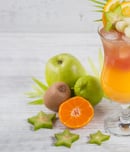
National Fruit Cocktail Day
What joy it is to sip on a refreshing fruit cocktail! Imagine the delightful mix of colorful fruit flavors that can bring a smile to anyone’s face. National Fruit Cocktail Day is all about that cheerful medley of fruit, the kind that looks like confetti in a bowl and tastes like...
- Canada
- United States
National days and holidays on May 27

Hari Raya Haji
Hari Raya Haji, also known as Eid al-Adha, is a significant celebration in the Muslim world. It marks a time of deep reflection on faith and devotion. How to Celebrate Hari Raya Haji Hari Raya Haji offers a wonderful chance to come together and celebrate with meaningful activities. Here are some...
- Australia
- Bahrain
- Bangladesh
- and 20 more

Vivid Sydney
Vivid Sydney is a dazzling celebration that transforms the city into a vibrant playground of lights, music, and creativity. For weeks, iconic landmarks and urban spaces glow with stunning light installations and 3D projections, captivating both locals and tourists. This festival draws millions of visitors each year, offering an enchanting...
- Australia

Nothing to Fear Day
Nothing to Fear Day inspires people to face fears, build courage, and embrace new challenges through adventure, reflection, and personal growth.
- United States

Old-Time Player Piano Day
Celebrate Old-Time Player Piano Day by exploring nostalgic self-playing pianos, their history, ingenious design, and the musical joy they brought into homes.
- United States
Seize Every Day
Join free for personalised recommendations, email reminders and exclusive guides. Never miss a day.