National Chocolate Covered Raisin Day
Satisfy your sweet tooth with a delightful treat that combines the goodness of fruit and the indulgence of chocolate.
This day is all about a delicious sweet treat that doesn’t get the love it deserves. It lives in the hearts of theatergoers the world over, masquerades itself as a healthy addition to trail mix.
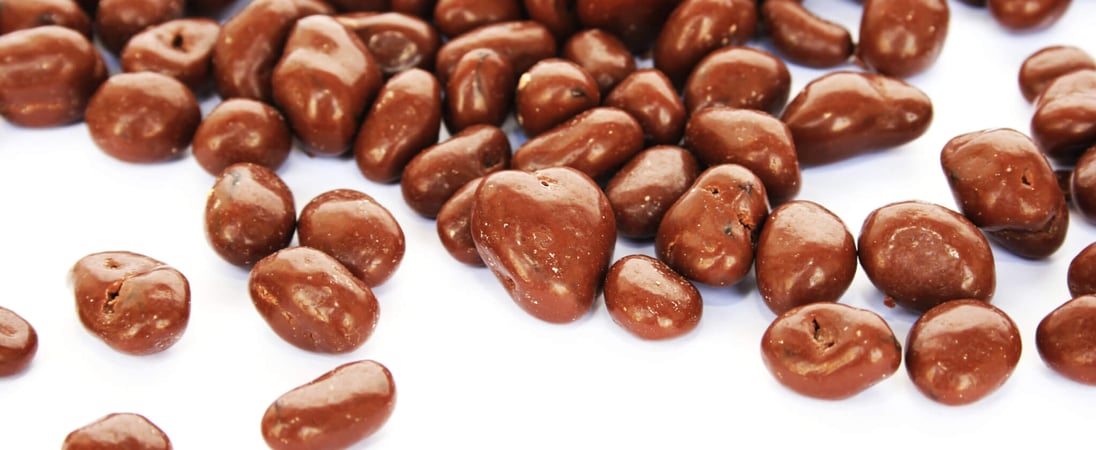
On the outside is the utter definition of decadence: sweet, delicious chocolate that shines in the light with its own inner richness. And within? Coated in a lover’s embrace that caresses every nook and cranny is that beloved childhood treat, the raisin.
Combined, these two come together to create a sweet and rich symphony of flavor on the tongue. National Chocolate Covered Raisin Day celebrates this delicious treat and its place in the hearts (and mouths and stomachs) of people all over the world.
How to Celebrate National Chocolate Covered Raisin Day
Celebrating National Chocolate Covered Raisin Day doesn’t have to be difficult or complicated. It’s an easy way to relax and enjoy the little things (literally) that make life special. Consider a few different ways to give a nod to this spectacular day:
Share Chocolate Covered Raisins with Friends
This day presents the perfect opportunity to enjoy being generous by sharing chocolate-covered raisins with everyone around. Friends, neighbors, coworkers and family members might all enjoy being part of the celebration of National Chocolate Covered Raisin Day!
Grab several bags and pass them around, make some at home to share with others, or buy some individual-sized packages and tie them with ribbon for a special, personal treat.
Get Creative with Chocolate Covered Raisins
Eating chocolate-covered raisins by the handful is just the beginning of the best ways to celebrate this delicious day!
Those who truly love this tiny little treat can move their innovation into the kitchen and find new ways to enjoy them. For the truly dedicated, there’s nothing like sprinkling a handful of these little goodies into chocolate cake batter before cooking. Or take it one step further and adorn the top of the cake with them to add a sweet bite to a rich, chocolatey cake.
Then there are those who take to an extreme the most amazing cookie the world has known: the Oatmeal Raisin Cookie (or the devil’s chocolate chip, to those who aren’t fans). Instead of plain old raisins, go ahead and use Chocolate Covered Raisins to turn this healthy cookie favorite into the pinnacle of decadence. Sure it’s not quite as healthy for the body when each raisin is coated in a milky rich coating of chocolate, but the flavor is absolutely out of this world!
Make Homemade Chocolate Covered Raisins
For those who are of the creative, do-it-yourself persuasion, it’s even possible to use a crock-pot to melt down chocolate, whether dark, milk, white, or whatever is preferred and dip your own raisins in it. It might be a bit difficult to get them separated into individual pieces, but they taste just as good when they are stuck together.
Adding peanuts to the mix, of course, puts a new twist on that beloved treat that is sometimes called GORP: Good Old Raisins and Peanuts.
Want to really make National Chocolate Covered Raisin Day special? Use a variety of types of raisins in the above, and experience all the possibilities!
Health Benefits of Chocolate Covered Raisins
Sure, they have some sugars and fat in them, but chocolate-covered raisins do actually have more nutritional value in them than many other candy treats. Take into consideration the health benefits of raisins when eaten in moderation:
- Fiber: for cleaning out bacteria and helpful for the digestive system
- Vitamin E, A & K: important for cell repair and organ function
- Iron: great for the blood cells as well as for growth and hormonal health
- Calcium: for maintaining strong bones, muscles and heart
- Potassium: helps with nerve and muscle function
Although covering them with milk chocolate doesn’t make them more healthy, dark chocolate can actually be good for the body. Sun-maid does offer an interesting alternative: raisins that are covered in chocolate-flavored yogurt.
In any case, if there’s a choice between a chocolate-covered candy bar made of caramel and sugar, or chocolate-covered raisins, then the raisins win for nutritional value!
History of National Chocolate Covered Raisin Day
The history of National Chocolate Covered Raisin Day celebrates the humble beginnings of this treat that has become quite a classic over time.
One of the most common and popular brands of chocolate-covered raisins on the market is Raisinets, first introduced to the United States in 1927 by the Blumenthal Chocolate Company. It was so successful for almost 60 years that candy giant Nestle took the opportunity to add the company to its holdings in 1984.
While many other brands have existed in the market at large, for many people Raisinets has become the ‘Kleenex’ of the chocolate-covered raisin world. When people are talking about chocolate-covered raisins, regardless of the brand, they often tend to refer to them as Raisinets.
Sun-Maid is another brand that manufactures the treat in the United States, but they’re not quite as well-known. There are lots of brands out there that are similar, although Raisinets actually polishes theirs to make them shiny, but that probably doesn’t make a very big difference in the way they taste.
Take the story down under’ to Australia to find a different name for the same yummy treat: Chocolate Covered Sultanas. This is simply a different name for the lighter-colored golden raisins that are made from white or light green grapes.
Whatever they are called and wherever they are eaten, these treats are certainly worth celebrating in a big or small way!
Also on ...
View all holidays
National Cocktail Day
Whether enjoying an evening out on the town, eating dinner with that special someone, or snuggling up at home in front of the fire, there is certainly a cocktail for every occasion.

National Cheesesteak Day
The delicious flavor of grilled onions and thinly sliced beef steak, topped with some ooey-gooey melted provolone cheese – that’s what the cheesesteak sandwich is all about.

World Tuberculosis Day
Honoring the relentless human spirit in the face of a formidable adversary, a disease that has shaped history and medical progress.

We think you may also like...

National Chocolate Covered Cherry Day
Satisfy your sweet tooth with some gooey, fruity confectionery or make the classic recipe even more of a treat by adding extras such as marzipan.

World Chocolate Day
Milk chocolate, dark chocolate, white chocolate…chocolate milk, truffles, Snickers, chocolate cake…indulge in any of the many kinds of chocolate out there.
International Eat An Apple Day
Keep those pesky doctors at bay—at least for a day. Try a new apple-based recipe, slice one up to eat with peanut butter or honey, or just bite into a crisp apple.