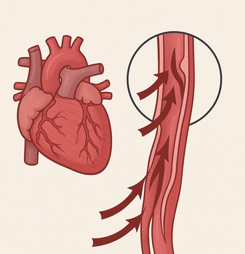

National Heart Valve Disease Awareness Day is a vital observance dedicated to raising awareness about heart valve disease.
This day emphasizes the importance of understanding the risks, recognizing symptoms, and seeking timely treatment!
National Heart Valve Disease Awareness Day Timeline
Harvey Describes Heart Valves and Circulation
William Harvey’s landmark work “De Motu Cordis” explains the circulation of blood and describes the heart’s valves guiding one‑way flow, laying a foundation for later understanding of valve disease.
Laennec Invents the Stethoscope
René Laennec invents the stethoscope and systematically studies heart sounds and murmurs, allowing physicians to link abnormal heart noises to structural valve problems during life.
Bouillaud Connects Rheumatic Fever and Valve Lesions
French physician Jean-Baptiste Bouillaud publishes observations tying rheumatic fever to inflammation and scarring of the heart valves, firmly associating a common illness with chronic valve disease.
Nicolai Details Mitral Stenosis Pathology
Russian pathologist Alexander Nicolai produces one of the classic early clinicopathologic descriptions of rheumatic mitral stenosis, clarifying how scarring narrows the valve and impedes blood flow.
Cutler Performs First Successful Surgical Valvotomy
At Peter Bent Brigham Hospital in Boston, Elliot Cutler carries out the first successful surgical mitral valvotomy for rheumatic stenosis, proving that severely diseased valves can be treated operatively.
Starr–Edwards Mechanical Valve Introduced
Surgeon Albert Starr and engineer Lowell Edwards implant the first successful ball‑in‑cage mechanical heart valve, inaugurating the modern era of durable prosthetic valve replacement.
First Human Transcatheter Aortic Valve Implantation (TAVI)
In Rouen, France, Alain Cribier and colleagues perform the first successful transcatheter aortic valve implantation on a patient with inoperable aortic stenosis, launching a less invasive option for high‑risk patients.
How to Celebrate National Heart Valve Disease Awareness Day
Get Moving with Heart-Healthy Exercises
Turn up the music and dance like nobody’s watching! A fun way to celebrate is by getting active. Join a local fitness class or take a brisk walk in the park.
Invite friends for a heart-pumping workout session. Remember, staying active keeps your heart happy and healthy.
Spread the Word on Social Media
Grab your phone and start sharing! Post about Heart Valve Disease Awareness Day on social media. Share facts, personal stories, or even a selfie with a heart-themed filter.
Educate your followers with every click and swipe.
Host a Heart-Healthy Potluck
Gather your foodie friends and host a potluck dinner. Ask everyone to bring dishes that are good for the heart. Think colorful salads, lean proteins, and fresh fruits.
Not only will you enjoy a delicious meal, but you’ll also learn new recipes to keep your heart in top shape.
Organize a Community Screening Event
Team up with local health professionals to organize a heart valve disease screening. Set up a booth at a community center or a local event.
Offer free check-ups and distribute educational pamphlets. Early detection can make a huge difference, so spread the word in your neighborhood.
Decorate with Heart-Themed Crafts
Get crafty and decorate your space with heart-themed crafts. Make heart-shaped wreaths, banners, and posters, then use these decorations at home, in schools, or at community centers.
It’s a playful way to raise awareness and show your support for heart health.
Wear Red and Show Your Support
Put on your brightest red attire to symbolize heart health. Encourage friends and family to join you, then take group photos and share them online with messages about the importance of heart valve disease awareness.
Red outfits can spark conversations and spread the message far and wide.
Host a Virtual Awareness Event
Set up a virtual event where experts talk about heart valve disease. Invite friends, family, and colleagues to join.
Use platforms like Zoom or Facebook Live to reach a broader audience. Interactive sessions with Q&A can make the learning experience engaging and informative.
Write and Share Heartfelt Stories
Encourage people to write and share their experiences with heart valve disease. Personal stories can be powerful tools for raising awareness.
Post them on blogs, social media, or community boards. Reading about real-life experiences can inspire others to pay attention to their heart health.
Why Celebrate National Heart Valve Disease Awareness Day?
By highlighting these aspects, it aims to reduce the number of people affected by this condition and ultimately save lives.
The campaign reaches out to communities, urging everyone to pay attention to their heart health and get regular check-ups.
This day’s celebration focuses on educating the public about heart valve disease, which often goes unnoticed until it becomes severe.
Many people mistake its symptoms, such as shortness of breath or fatigue, for normal signs of aging. This misconception can delay diagnosis and treatment.
The day encourages early detection and treatment by spreading knowledge about the disease and its warning signs, which can significantly improve outcomes for those affected.
Organizations, health professionals, and patient advocates across the country participate in this awareness campaign. They share personal stories, offer educational resources, and provide information on available treatments.
The goal is to create a well-informed public that can recognize the symptoms and take proactive steps to manage their heart health.
This collective effort educates and empowers individuals to take control of their heart health, reducing the impact of heart valve disease on their lives!
History of National Heart Valve Disease Awareness Day
National Heart Valve Disease Awareness Day began in 2017 with the purpose of addressing the critical need for public knowledge about heart valve disease as many people do not recognize the signs or understand the risks.
The day aims to bridge this gap by spreading essential information about symptoms, risk factors, and treatment options.
The day was established to coincide with American Heart Month, leveraging the existing focus on heart health. Organizations, including the American Heart Association and the Alliance for Aging Research, lead this effort.
They collaborate with over 100 partners to amplify the message. This includes sharing personal stories and providing educational resources to help people recognize the importance of heart health and early detection of valve disease.
Heart Valve Disease Awareness Day has grown in impact each year. It uses a variety of platforms to reach a wide audience. Campaigns encourage people to get regular heart check-ups and pay attention to any unusual symptoms.
The day also highlights how timely medical intervention can save lives, making it a significant event in the calendar for health awareness!