National Hyaluronic Acid Day
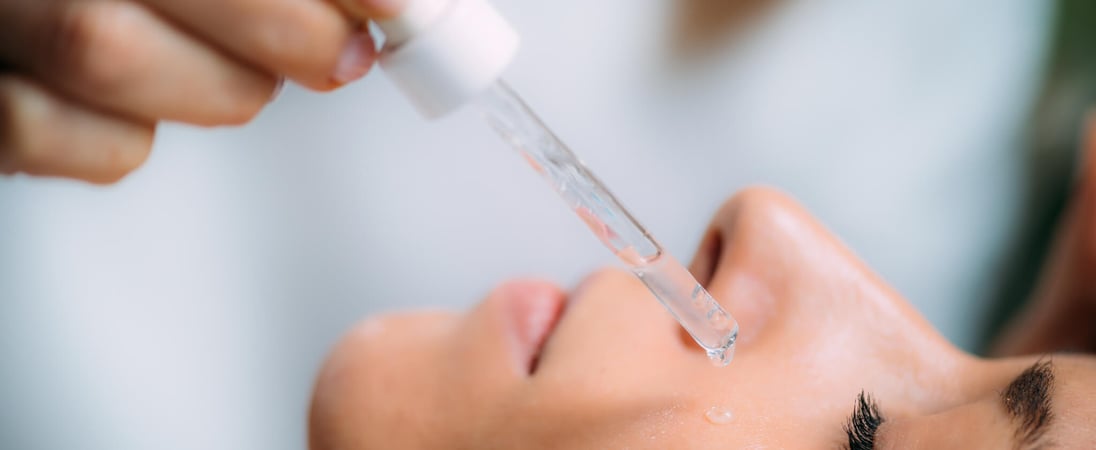
Revitalize your skincare routine with a moisture-boosting element, offering a rejuvenating touch for radiant and supple skin.
For almost a century, the scientific, medical, and skincare communities have been exploring and expanding the uses of a remarkable substance called hyaluronic acid. National Hyaluronic Acid Day is a chance to learn more about—and show appreciation for—this naturally occurring molecule that has earned its popularity for very good reasons.
Known for its exceptional ability to retain moisture, hyaluronic acid plays a vital role in skin hydration, joint lubrication, and overall tissue health. It’s a cornerstone ingredient in modern skincare, a trusted component in medical treatments, and a key player in aesthetic procedures.
From helping skin look plumper and smoother to supporting healing and mobility, this versatile substance continues to prove why it remains a favorite across science and beauty alike.
National Hyaluronic Acid Day Timeline
1934
Discovery of Hyaluronic Acid
Dr. Karl Meyer and John Palmer first isolated hyaluronic acid from the vitreous humor of a cow’s eye. This discovery laid the groundwork for its future applications across various scientific fields. [1]
1950s
Medical Application in Eye Surgery
Hyaluronic acid was introduced in ophthalmology for use as a vitreous substitute in eye surgeries, marking one of its first significant medical applications. [2]
1979
First Pharmaceutical Grade Production
Endre A. Balazs pioneered the production of the first pharmaceutical-grade hyaluronic acid, further advancing its use in medical treatments. [3]
2003
FDA Approval for Dermal Fillers
The FDA approved the use of hyaluronic acid in dermal fillers, revolutionizing the cosmetic industry and enhancing its popularity for aesthetic purposes. [4]
2022
Advancements in Drug Delivery Systems
Research into hyaluronic acid as a medium for drug delivery systems showed promising results, offering innovative approaches to targeting diseases like cancer. [5]
History of National Hyaluronic Acid Day
The roots of National Hyaluronic Acid Day trace back to the 1930s, when this remarkable substance was first discovered. Hyaluronic acid was initially identified in the vitreous humor of a bovine eye by German biochemist Karl Meyer and his assistant John Palmer at Columbia University.
This groundbreaking discovery laid the foundation for decades of scientific exploration. Researchers soon found hyaluronic acid throughout mammalian connective tissues, where it plays essential roles in the skin, joints, and eyes. Its extraordinary ability to retain water—up to 1,000 times its weight—makes it vital for hydration, cushioning, and structural support.
Although discovered in the 1930s, it took nearly two decades for hyaluronic acid to enter practical medical use. The first biomedical application emerged in the 1950s in ophthalmic surgery, where its lubricating and protective properties proved invaluable.
Throughout the 1960s and 1970s, scientific interest accelerated, with studies exploring its potential in wound healing, tissue repair, and the treatment of osteoarthritis. These advances established hyaluronic acid as a trusted component in modern medicine.
The cosmetics industry soon followed. Thanks to its ability to boost skin hydration, elasticity, and smoothness, hyaluronic acid became a cornerstone ingredient in skincare formulations.
By the early 2000s, it had become a household name, widely recognized for helping reduce the appearance of fine lines, wrinkles, and scars. Its growing popularity culminated in a booming global market, which surged dramatically by 2019—reflecting both consumer trust and scientific validation.
National Hyaluronic Acid Day itself is a relatively recent addition, established in 2022 by the French skincare brand La Roche-Posay. The day was created to raise awareness and deepen public understanding of hyaluronic acid’s dermatological and medical benefits.
Beyond celebration, the initiative focuses on education—encouraging safe, effective, and informed use of this naturally occurring substance in everyday skincare routines.
How to Celebrate National Hyaluronic Acid Day
Celebrating National Hyaluronic Acid Day can be both fun and educational. It’s a perfect opportunity to focus on self-care, learn something new, and appreciate the science behind one of skincare’s most trusted ingredients. Here are a few creative ways to mark the occasion.
Use Hyaluronic Acid
One of the most straightforward ways to celebrate is to use products that contain hyaluronic acid, an ingredient widely known for its hydrating and smoothing properties. If you already have a favorite serum, cream, or mask, National Hyaluronic Acid Day is a great time to be extra consistent with your routine and notice how your skin feels.
Sharing your experience with friends or online can also be part of the celebration. Social media platforms make it easy to exchange recommendations, routines, and results, helping others learn how hyaluronic acid works for different skin types and needs.
You might also use the day to explore new products. Trying serums, moisturizers, or masks with hyaluronic acid can introduce you to new skincare favorites while encouraging a deeper understanding of how this ingredient supports hydration, elasticity, and skin comfort.
Learn About La Roche-Posay
As the driving force behind National Hyaluronic Acid Day, La Roche-Posay often uses this occasion to promote education and awareness. Take time to explore the background of this dermatologist-recommended brand and its long-standing commitment to skin health.
Endorsed by more than 90,000 dermatologists worldwide, La Roche-Posay focuses on making effective, science-backed dermatological solutions accessible. Their product range—especially well-known formulations like the Hyalu B5 serum—offers insight into how hyaluronic acid is thoughtfully combined with other ingredients to support sensitive and dehydrated skin.
Learn Fun Facts About Hyaluronic Acid
National Hyaluronic Acid Day wouldn’t be complete without discovering a few intriguing facts about this hydrating marvel:
- The first commercial use of hyaluronic acid dates back to 1942, when it was used as an egg white substitute in baked goods—showcasing its surprising versatility.
- Hyaluronic acid can hold up to 1,000 times its weight in water, earning its reputation as a true hydration powerhouse in both medicine and cosmetics.
- Despite the word “acid” in its name, hyaluronic acid is not an exfoliating acid like glycolic or salicylic acid. It is actually a sugar-based molecule known as a glycosaminoglycan, valued for its moisture-binding and skin-supporting properties.
Ultimately, National Hyaluronic Acid Day is about more than just skincare. It’s a celebration of scientific discovery, innovation, and shared knowledge that allows people around the world to benefit from this remarkable substance.
Whether you’re experimenting with new products, learning something new, or simply appreciating well-hydrated skin, the day offers plenty of ways to engage with the fascinating world of skincare science.
Learn Fun Facts About Hyaluronic Acid
Get to know this interesting hydrating substance a little better in celebration of National Hyaluronic Acid Day. Check out a few interesting bits of trivia about hyaluronan and share with friends in honor of the day, starting with some of these:
-
The first commercial use of hyaluronic acid was in 1942 when it was used as an egg white substitute in bakery products.
-
Hyaluronic acid is able to draw and bind a lot of water. In fact, it can hold up to one thousand times its own weight in water, bringing a whole lot of moisture and hydration to the skin.
-
Though the name has “acid” in it, this is a misnomer and it isn’t actually an acid. This substance is a type of sugar that goes by the name of Glycosaminoglycan. It is also sometimes called hyaluronan.
FAQs about National Hyaluronic Acid Day
National Hyaluronic Acid Day FAQs
What are the primary medical applications of hyaluronic acid?
Hyaluronic acid is renowned for its versatility in the medical field, primarily used for its biocompatibility and hydration properties. It finds applications in ophthalmology for eye surgeries, particularly cataract extraction and corneal transplants. In rheumatology, it’s employed for osteoarthritis treatment through intra-articular injections to lubricate joints. Additionally, hyaluronic acid is used in wound healing, dermal fillers for cosmetic purposes, and drug delivery systems due to its ability to form hydrogels. [1]
How does hyaluronic acid benefit the skin in skincare products?
Hyaluronic acid is crucial in skincare because of its exceptional ability to retain water, keeping skin moist and plump. It can hold up to a thousand times its weight in water, making it an effective hydrator that helps reduce the appearance of fine lines and wrinkles. This capability not only enhances skin texture but also aids in repairing the skin barrier, contributing to an overall youthful appearance. [2]
https://my.clevelandclinic.org/health/articles/22915-hyaluronic-acid
The first biomedical use of hyaluronic acid occurred in the late 1950s, particularly in ophthalmology. It was initially used as a vitreous substitute in eye surgeries, sourced from animal tissues like umbilical cords and rooster combs. The innovation marked a significant advancement in surgical techniques. [3]
Also on ...
View all holidays
National Cheesy Socks Day
Transform your sock game with outrageously hilarious novelty socks! They'll make your feet feel fancy and your friends laugh out loud.

National Hugging Day
Have a heartfelt cuddle with loved ones, try out different embraces like the bear hug or raise awareness of affection's health benefits.


International Playdate Day
A cherished occasion when the youngest among us gather, fostering friendships, sharing laughter, and building the bonds that shape their world.