
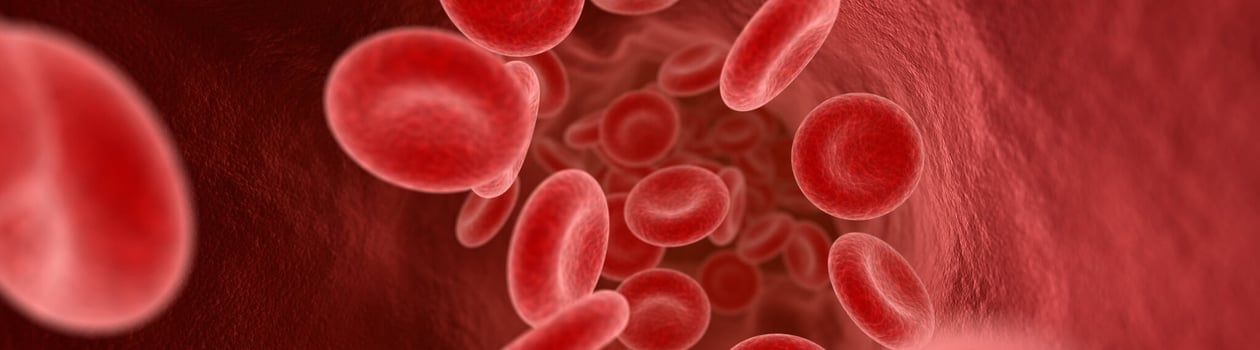
National Lipid Day shines a spotlight on the vital role lipids play in our bodies. Lipids, including fats and cholesterol, are essential for energy storage, hormone production, and cell structure.
However, when lipid levels become imbalanced, health issues can arise. This day emphasizes understanding and managing lipid levels to maintain overall health.
Monitoring lipid levels is crucial in preventing conditions like dyslipidemia, where abnormal amounts of lipids circulate in the blood. Such imbalances can lead to serious health problems, including cardiovascular diseases.
National Lipid Day encourages individuals to be proactive about their health by getting regular lipid screenings. Early detection and management of lipid abnormalities can significantly reduce the risk of heart disease and stroke.
National Lipid Day Timeline
Chevreul Identifies Cholesterol as a Distinct Fatty Substance
French chemist Michel Eugène Chevreul isolates and names “cholesterine,” recognizing cholesterol as a unique component of animal fat and gallstones and laying groundwork for lipid chemistry.
Anitschkow Links Dietary Cholesterol to Atherosclerosis
Russian pathologist Nikolai Anitschkow shows that rabbits fed cholesterol-rich diets develop arterial lesions resembling human atherosclerosis, suggesting a connection between blood lipids and artery disease.
Gofman Develops Lipoprotein Fractionation
John Gofman and colleagues use ultracentrifugation to separate blood lipoproteins, distinguishing low-density and high-density fractions and revealing that specific lipid carriers, not total fat alone, relate to heart disease risk.
Framingham Study Identifies Cholesterol as a Major Risk Factor
Findings from the Framingham Heart Study demonstrate that higher serum cholesterol strongly predicts coronary heart disease, firmly establishing blood lipids as key cardiovascular risk factors in population research.
Friedewald Equation Standardizes Lipid Profiles
William Friedewald and colleagues publish a formula to estimate LDL cholesterol from total cholesterol, HDL, and triglycerides, making routine calculation of “bad” cholesterol practical in clinical laboratories worldwide.
LRC-CPPT Proves Cholesterol Lowering Reduces Heart Events
The Lipid Research Clinics Coronary Primary Prevention Trial shows that reducing LDL cholesterol with cholestyramine significantly lowers coronary heart disease events, providing pivotal evidence that treating dyslipidemia improves outcomes.
NCEP ATP III Publishes Comprehensive Cholesterol Guidelines
The National Cholesterol Education Program Adult Treatment Panel III issues influential guidelines defining dyslipidemia categories, treatment targets, and the standard fasting lipid panel used to assess cardiovascular risk.
How to Celebrate National Lipid Day
National Lipid Day, observed on May 10, encourages awareness about maintaining balanced lipid levels for heart health.
Small, intentional actions can make a difference in overall well-being. Here are a few thoughtful ways to mark the occasion.
Prepare a Heart-Friendly Meal
Cooking a nourishing meal with loved ones strengthens both the body and relationships. Choose ingredients that support healthy cholesterol, such as whole grains, nuts, and fresh vegetables.
Slow down and savor each bite, appreciating the benefits of mindful eating.
Take a Gentle Walk
Movement supports cardiovascular health, and a simple walk can be a powerful way to honor the day. Strolling through a park or around the neighborhood allows space to breathe deeply, reflect, and reconnect with the body’s needs. Walking with a friend makes it even more rewarding.
Learn About Lipids
Understanding how lipids impact health can lead to more informed choices. Taking time to read an article, listen to a podcast, or watch a short video on heart health makes a lasting impact.
Sharing this knowledge with others spreads awareness in a meaningful way.
Practice Gratitude for the Body
The heart works tirelessly, and recognizing its efforts fosters appreciation. Pausing for a moment of gratitude—whether through journaling, deep breathing, or quiet reflection—creates a connection between awareness and action. Treating the body with care starts with acknowledging its strength.
Swap Processed Snacks for Whole Foods
Making a simple change, like replacing processed snacks with nuts, fruits, or seeds, supports lipid balance. Small choices accumulate over time, leading to lasting benefits.
Choosing whole foods is a gentle way to show kindness to the body.
History of National Lipid Day
National Lipid Day highlights the importance of understanding and managing lipid levels to protect heart health. Millions of people worldwide face risks related to abnormal cholesterol and triglycerides, yet many are unaware of the dangers.
How It Started
In April 2015, Kunjan Singh and Sanjay Suri launched this observance on behalf of Zydus Cadila, a pharmaceutical company. Their goal was to inform the public about dyslipidemia, a condition where blood lipid levels become imbalanced.
They recognized that many people do not monitor their cholesterol or triglycerides until health problems arise. National Lipid Day was created to promote early testing and healthier habits.
Why Lipids Matter
The term “dyslipidemia” describes unhealthy levels of fats in the bloodstream. When cholesterol and triglycerides are too high or too low, the risk of heart disease increases.
These imbalances can lead to blockages in arteries, high blood pressure, and even strokes. Early detection allows individuals to take steps toward better health. Understanding these risks empowers people to make informed choices about food, exercise, and medical care.
Spreading Awareness
This observance encourages people to check their lipid profiles through routine screenings. Healthcare professionals emphasize the importance of balanced eating, regular physical activity, and medication when necessary.
While many assume cholesterol problems affect only older adults, younger individuals can also develop issues. Raising awareness helps people of all ages adopt better habits before complications arise.
Facts About National Lipid Day
Lipoproteins Act Like Cargo Ships for Fats in the Blood
Because fats and cholesterol do not dissolve well in water, the body packages them into lipoproteins that act like tiny cargo ships in the bloodstream.
Low-density lipoprotein (LDL) delivers cholesterol from the liver to tissues, while high-density lipoprotein (HDL) helps carry excess cholesterol back to the liver for removal.
Very-low-density lipoprotein (VLDL) mainly transports triglycerides. The balance and behavior of these particles, not just total cholesterol, strongly influence cardiovascular risk.
Cholesterol Is a Raw Material for Hormones and Vitamin D
Cholesterol is often labeled as harmful, yet it is an essential building block for several key substances in the body.
Human cells use cholesterol to produce steroid hormones such as cortisol, aldosterone, estrogen, progesterone, and testosterone.
It is also a precursor for bile acids that help digest fats and for vitamin D, which is synthesized in the skin when exposed to sunlight and then processed in the liver and kidneys. Without cholesterol, these critical processes could not occur.
Cell Membranes Depend on Lipids for Shape and Signaling
Every cell in the human body is wrapped in a lipid-rich membrane that controls what enters and leaves the cell. Phospholipids form a flexible bilayer, while cholesterol within that layer helps regulate fluidity so the membrane is neither too rigid nor too leaky.
Specific lipids also cluster into microdomains, often called lipid rafts, which organize proteins involved in cell signaling, immune responses, and the entry of some viruses. Changes in membrane lipids can alter how cells respond to their environment.
Global Dyslipidemia Affects Billions of Adults
Unhealthy levels of blood lipids are a worldwide problem, not just an issue in wealthy countries. A large analysis published in The Lancet using data from 200 countries estimated that about 3.9 billion adults globally had total cholesterol levels of at least 5.0 mmol/L (about 193 mg/dL) in 2008.
The pattern has shifted over time: high cholesterol has become more common in low- and middle-income countries, while some high-income regions have seen declines due to changes in diet and increased use of lipid-lowering medications.
The Framingham Study Revealed the Link Between Cholesterol and Heart Disease
Before the mid-20th century, the connection between blood lipids and heart disease was not well understood.
The Framingham Heart Study, launched in 1948 in Massachusetts, followed thousands of residents for decades and identified high blood cholesterol as a major risk factor for coronary heart disease.
Its findings helped establish the concept of “risk factors” and showed that controlling cholesterol, blood pressure, and smoking could dramatically reduce the chances of heart attack and stroke.
Statins Transformed Cholesterol Treatment in the Late 20th Century
Modern treatment of high cholesterol changed dramatically with the introduction of statin drugs. In 1976, Japanese scientist Akira Endo first identified a compound that could inhibit HMG-CoA reductase, a key enzyme in cholesterol synthesis.
This discovery led to the development of statins such as lovastatin, simvastatin, and atorvastatin. Large clinical trials later showed that statins could significantly lower LDL cholesterol and reduce heart attacks, strokes, and cardiovascular deaths, making them among the most widely prescribed medications worldwide.
Not All Dietary Fats Affect Blood Lipids the Same Way
Research has shown that different types of dietary fat have distinct effects on blood lipids and heart risk.
Saturated and trans fats tend to raise LDL cholesterol, while replacing them with unsaturated fats, particularly polyunsaturated fats from sources like fish, nuts, and vegetable oils, can lower LDL and sometimes raise protective HDL cholesterol.
Large reviews summarized by the World Health Organization conclude that shifting from saturated to unsaturated fats is more effective for heart health than simply cutting total fat intake.
National Lipid Day FAQs


You may also like
National Triglycerides Day
National Triglycerides Day aims to raise awareness about an important health issue that often goes unnoticed. Triglycerides are fats in your blood that your body uses for energy. However, too many of them can lead to serious health risks like heart disease and stroke. This day encourages everyone to learn...
- Canada
- United Kingdom
- United States

National Healthy Fats Day
One of the common themes running through health-care used to be “Fat is Bad!” leading people to lean on carbs, including sugar and processed foods, instead. The fallout from this decision? Obesity rates have continued to soar and the idea that all fat is bad hasspread without ease. National Healthy...
- Australia
- Canada
- United Kingdom
- and 1 more

National Red Sock Day
National Red Sock Day turns a simple item into a powerful symbol. Bright red socks catch the eye for more than fashion. They're part of a bold move to bring attention to Peripheral Artery Disease, or PAD. This condition affects blood flow, mostly in the legs, and often hides behind...
- United States

National Wear Red Day
Rocking vibrant red outfits to spotlight heart health sends a powerful message of awareness and support for a cause that truly matters.
- United Kingdom
- United States
National days and holidays on May 10
World Lupus Day
Learn the symptoms so you can act fast against the life-threatening autoimmune disease known as Lupus, which effects at least five million people globally.
- Australia
- Canada
- United Kingdom
- and 1 more

Mother Ocean Day
Pay homage to the incredible force of nature that is the ocean, which houses over a million different species, many of which are endangered or threatened.
- United States

National Shrimp Day
Celebrate the taste of the sea! Indulge in delicious shrimp dishes, discover new recipes, and gather with friends and family.
- United States

Donkey Week
Have you ever wondered about the role of donkeys in our lives beyond their humble farm presence? Donkey Week shines a spotlight on these often overlooked creatures. This week-long observance is a time to appreciate donkeys' significant yet quiet contributions to societies worldwide. How to Celebrate Donkey Week Celebrating Donkey Week can be...
- United States
Seize Every Day
Join free for personalised recommendations, email reminders and exclusive guides. Never miss a day.