
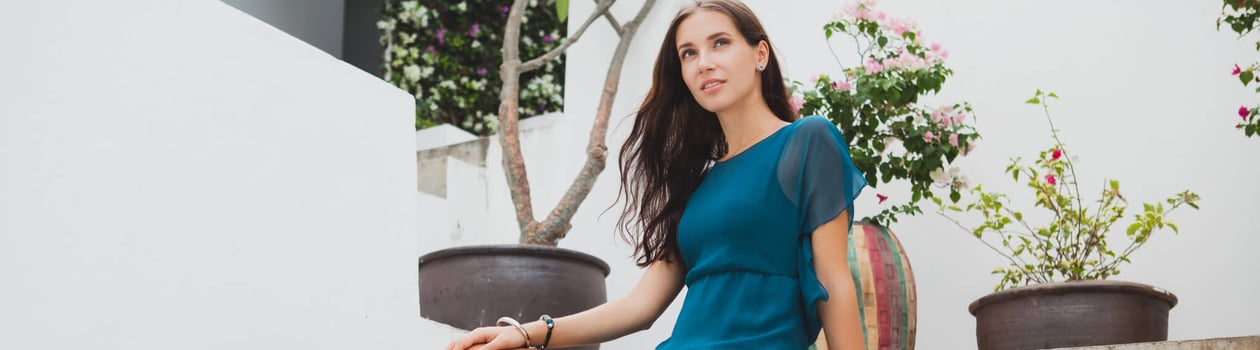
Pull out that favorite combination of stylish items, from pairing a short skirt with kicky little sneakers to following menswear trends like wearing a bow tie. Whatever makes a person feel great is exactly what they should wear on this day, and it’s a great time to share in the style victories of others as well.
Fashion lovers get to enjoy making a big deal out of their styling choices by celebrating National OOTD (Outfit-of-the-Day) Day, a social-media-friendly celebration of personal style. At its core, it takes the everyday act of getting dressed and turns it into a small creative project: choose a look with intention, wear it with confidence, and if sharing feels fun, post it so others can borrow ideas, cheer it on, or simply admire the vibe.
How to Celebrate National Outfit-of-the-Day Day
National Outfit-of-the-Day Day is a light-hearted event that encourages people to share some incredible fashion choices. Get involved and celebrate with some of these ideas for the day:
Choose Amazing Outfits
National OOTD Day is a perfect excuse to style an outfit with a little extra thought, even if it’s still built on comfortable basics. A strong outfit rarely depends on expensive pieces. It usually comes down to balance, proportion, and one memorable detail.
Start with a “hero” item and build around it. That hero could be a patterned shirt, a bright bag, a pair of shoes with personality, or even a perfectly broken-in jacket. From there, keep the supporting pieces simple so the look feels intentional rather than chaotic. A few classic formulas make styling easier:
- Statement top + simple bottoms: A bold blouse with dark jeans, tailored trousers, or a solid skirt keeps attention where it belongs.
- Monochrome base + texture: Wearing one color head-to-toe looks polished, and mixing textures (denim, linen, leather, knits) keeps it interesting.
- Casual + tailored: Pairing sneakers with a crisp button-down or adding a blazer over a casual outfit creates that “effortless but put-together” feel that OOTD posts love.
- Dress + layers: A slip dress over a tee, a sundress with a lightweight shirt tied at the waist, or a sweater over a dress instantly changes the silhouette.
Accessories do a lot of heavy lifting in outfit-of-the-day styling, especially in photos. A belt can define the waist, sunglasses can add attitude, and jewelry can echo the outfit’s shape or color palette. Shoes matter, too, because full-body outfit photos usually include them. If the rest of the outfit is calm, shoes can be the punchline.
For those who want to share an OOTD photo, a mini “styling checklist” helps the final look read clearly:
- Fit check: Sleeves, hems, and waistbands sit where they should. Even a slightly rolled cuff can look deliberate.
- Color check: Repeating a color once or twice (for example, shoes and bag, or earrings and top) makes an outfit feel cohesive.
- Detail check: Lint, wrinkled fabric, and scuffed shoes are tiny issues that become obvious on camera.
A fashion shoot does not have to be complicated. Many OOTD photos are quick mirror shots or a few timed photos taken near a window. The goal is not perfection. It’s capturing the outfit clearly enough that someone else can see what makes it work.
Engage in Sustainable Fashion
National Outfit-of-the-Day Day is about style, but style does not have to come with overflowing closets and constant new purchases. Sustainable fashion can fit right in, and it often results in more distinctive outfits. Secondhand pieces, older garments, and well-loved accessories bring character that brand-new items sometimes lack.
A practical approach is to treat sustainability like a styling challenge: make a great OOTD using what is already available, then only add pieces that truly earn their place. Some simple ways to keep the outfit-of-the-day spirit while shopping and dressing more responsibly include:
- Thrift and vintage shopping: Secondhand stores can be gold mines for denim, leather belts, classic blazers, and unique statement pieces. Vintage items can also introduce higher-quality fabrics and construction that are harder to find in budget modern clothing.
- Clothing swaps: Swapping with friends or community groups refreshes a wardrobe without producing more demand for new clothing. It also makes outfit styling more social, which pairs nicely with the “share your look” spirit of the day.
- Repeat outfits on purpose: Rewearing is stylish. A “signature” jacket or favorite shoes can become part of a personal brand, and repeating pieces teaches creativity. The same trousers can look completely different with a new top, layered sweater, or accessory swap.
- Take care of clothes: Washing less aggressively, air-drying when possible, and storing items properly helps garments look better for longer. Small habits can keep favorites in rotation rather than turning them into “nothing to wear” clutter.
Even without diving into fashion industry statistics, one point remains simple: clothing that gets worn often has a better story than clothing that sits forgotten. National OOTD Day can be a reminder to shop a closet first, rediscover overlooked pieces, and build outfits that make the most of what is already there.
Upcycle Some Fashions for National OOTD Day
Even better, make an impact by creating new fashions through upcycling used items. Upcycling is different from simple mending because it changes a garment’s purpose or style. It turns “almost wearable” into “someone is definitely going to ask where that came from.”
Upcycling does not require a full sewing studio. A few basic tools, such as fabric scissors, a needle and thread, iron-on hem tape, safety pins, or a simple sewing machine, can handle a surprising number of transformations. Some approachable upcycling ideas that work well for an outfit-of-the-day moment include:
- Cropped shirt or jacket: Taking a long shirt or denim jacket and cropping it can modernize the silhouette instantly. A clean hem is ideal, but a raw edge can look intentional with denim.
- Oversized shirt to skirt: With a bit of sewing, an oversized button-down or flannel can become a wrap skirt or gathered skirt. Even without sewing, a belted shirt hack can create a skirt-like effect for photos.
- Jeans into shorts, skirts, or patches: Old jeans can become cutoffs, a denim skirt, or a source of patch material to reinforce knees and add visual detail.
- Tablecloths and linens into tops: Vintage linens with embroidery or interesting borders can become summer tops, bandanas, or lightweight scarves. The resulting pieces often look one-of-a-kind because they truly are.
- Sweater refresh: A sweater with worn cuffs can be updated by adding contrasting fabric at the wrists or turning it into a sleeveless vest.
Upcycling also makes styling more personal. When someone posts an outfit built from something they redesigned, it carries a little extra confidence. It’s not just an outfit, it’s proof of creativity and resourcefulness.
For those who want the OOTD photo to highlight the upcycling work, it helps to feature close-up shots of the details: the new hem, the added patch, the buttons, or the fabric texture. Outfit photos do not have to be only full-body. A carousel of outfit details can show craftsmanship and make the post feel like a mini fashion story.
National Outfit-of-the-Day Day Timeline
First artistic fashion photographs
French publisher Lucien Vogel commissions Edward Steichen to create what the Getty Museum calls the first artistic fashion photographs for Art et Décoration, helping define fashion imagery as its own genre.
Early street-style fashion photography
Photographers began informally documenting how people dress in public spaces, with historians tracing street-style fashion photography back to the late nineteenth and early twentieth centuries rather than the Instagram era.
La Mode Pratique and early fashion photography in print
Magazines such as La Mode Pratique, launched in 1898, started using photography to show clothing, marking an important step from illustration to photographic representations of real outfits and silhouettes.
Spontaneous, photojournalistic fashion imagery
According to the Victoria and Albert Museum, major fashion magazines in the 1950s adopted a more spontaneous, photojournalistic approach, taking models out of the studio and closer to real-life looks on the street.
Personal style blogs and outfit posts emerge
With the rise of personal blogs in the late 1990s and 2000s, fashion enthusiasts began posting regular “what I wore” entries, turning everyday outfits into serial online content and precursors of later OOTD posts.
Instagram popularizes daily outfit sharing
Writers on fashion and social media note that Instagram’s launch and rapid growth in the early 2010s shifted style influence to individuals, who increasingly dress for the camera and share daily outfits with followers.
#OOTD becomes a core fashion hashtag
Fashion site He Spoke Style explains that “Outfit of the Day,” abbreviated as OOTD, has become one of the earliest and most enduring hashtags for sharing outfit ideas and personal style inspiration on social media.
History of National Outfit-of-the-Day Day
National Outfit-of-the-Day Day was created by Stassi Schroeder, a fashion-forward media personality known for her role on the Bravo reality television series Vanderpump Rules. The day was launched in 2018, built around a familiar piece of internet shorthand: #OOTD, which stands for “Outfit of the Day.”
The phrase “outfit of the day” had already been part of online fashion culture for years before a dedicated day appeared. The concept is simple: people share what they’re wearing, often alongside styling notes, brand tags, or a quick explanation of the mood. OOTD posts became a staple of fashion blogging and later grew into a major social-media pattern, especially on image-forward platforms where a full look can be communicated in a single photo.
By formalizing that habit into National Outfit-of-the-Day Day, Schroeder leaned into something social media does well: turning everyday moments into shareable rituals. Instead of needing a runway, a red carpet, or a special occasion, the day gives permission to treat a normal outfit like it deserves a spotlight.
The founder has described the purpose as more than just clothes. The day is meant to inspire people to wear outfits that make them feel great about themselves, because personal style can be an easy path to confidence. When someone likes what they’re wearing, they often stand a little taller, speak a little more clearly, and move through the world with less hesitation. The outfit becomes a kind of self-chosen armor, not for hiding, but for showing up.
That psychological side of getting dressed is part of what keeps the OOTD tradition alive. Clothing can influence mood and mindset, even when circumstances are not ideal. Putting on something that feels “right” can shift the tone of a day, not through magic, but through a subtle change in self-perception. Colors, silhouettes, and textures can cue energy or calm. A structured jacket can feel like competence. A soft sweater can feel like comfort. Sneakers can signal readiness. A crisp shirt can signal focus.
National Outfit-of-the-Day Day also fits naturally into the influencer era, where personal style can become part of a public identity. For aspiring creators, an OOTD post is a portfolio piece. It shows taste, consistency, and an understanding of how to pull together a look. That can attract followers who want inspiration, and it can also catch the attention of brands looking for partners who align with their aesthetic.
At the same time, the day does not require a public platform or a huge audience. It can be enjoyed privately, too, as a playful way to experiment with style. Some people treat it as a reason to try a new combination, wear the statement piece that usually feels “too much,” or finally figure out how to style that one item that has been living on the edge of the closet.
Ultimately, National Outfit-of-the-Day Day reflects a modern reality: getting dressed can be both practical and creative. It can be a routine, but it can also be self-expression. And when people share their looks, they trade ideas across different ages, sizes, budgets, and aesthetics, reminding everyone that style is not a single standard. It’s a collection of choices, worn out in the world, one outfit at a time.
National Outfit-of-the-Day Day Facts
From Lookbooks to Hashtags: How “Outfit of the Day” Went Mainstream
The phrase “outfit of the day” started in early fashion blogs and online lookbooks, where style enthusiasts documented what they wore with photos and item breakdowns, before migrating to social platforms like Tumblr and Instagram in the early 2010s.
As smartphones and front-facing cameras became common, the shortened tag #OOTD turned into one of the earliest persistent fashion hashtags, helping everyday users, not just magazine stylists, turn daily dressing into shareable content.
How Big Is #OOTD on Social Media?
#OOTD has grown into a massive user-generated fashion category: in 2018, the “Outfit of the day” entry noted that the hashtag had been used millions of times on Instagram, and later snapshots have shown counts in the tens of millions across Instagram alone, not including TikTok, Pinterest, or YouTube.
This scale means that everyday outfit posts now sit alongside brands and magazines as a major source of style inspiration.
Daily Outfits as Identity Signaling
Social scientists describe clothing as a powerful “identity signal,” and #OOTD posts make that signaling public and searchable.
Users often caption their outfits with mood descriptions, subculture tags (such as “minimalist,” “goth,” or “streetwear”), or values like “thrifted” or “size inclusive,” effectively telling followers who they are or aspire to be through what they wear.
Researchers note that these visible signals help people find like-minded communities and can shape how others perceive their status, creativity, and even competence.
“Enclothed Cognition”: Why Clothes Can Change How People Feel
Psychologists have documented a phenomenon known as “enclothed cognition,” where the meaning associated with a garment can influence the wearer’s thoughts and performance.
In a well-known experiment, participants who wore a lab coat described as a doctor’s coat performed better on attention tasks than those who wore the same coat described as a painter’s smock, suggesting that what people wear can subtly boost focus and confidence when it carries a positive identity.
Fast Fashion’s Climate Footprint
Behind many social-media-ready outfits is a global fashion system with a sizable environmental cost.
Reports from United Nations agencies estimate that the fashion industry is responsible for roughly 8 to 10 percent of global carbon emissions, more than international flights and maritime shipping combined, driven in part by fast fashion’s rapid production cycles and high-volume consumption.
Clothing Waste and the Case for Wearing What Already Exists
Environmental analyses highlight that textile waste is growing quickly: the European Environment Agency reports that textiles have the fourth-highest life-cycle impact on climate and the environment among EU consumption categories, after food, housing, and mobility.
Extending the life of clothes already in circulation, through repeated wear, repair, and resale, is identified as one of the most effective ways for individuals to cut the footprint of their wardrobes.
Why Secondhand and Upcycled Outfits Matter
Circular fashion research from organizations such as the Ellen MacArthur Foundation shows that keeping garments in use longer, including through resale, rental, and upcycling, can sharply reduce the need for virgin-fiber production and associated pollution.
Modeling in its “A New Textiles Economy” report suggests that doubling the average number of times a clothing item is worn could lower textile waste and resource use significantly, making secondhand and creatively remade outfits a meaningful climate and waste reduction strategy.
National Outfit-of-the-Day Day FAQs



You may also like

Fashion Day
From bold prints to sleek lines, expressing yourself through clothing is an art form, letting you showcase your unique style and creativity.
- France
- International
- Italy
- and 3 more
Quacker Day
Quacker Day is a lively celebration honoring Jeanne Bice and the delightfully over-the-top clothing line she built, Quacker Factory. It is equal parts fashion fun and fan community, a chance for “Quackers” to lean into bright colors, playful motifs, and unapologetic sparkle while celebrating the warmth and friendliness Bice brought...
- United States

Clashing Clothes Day
Express yourself — mix and clash! Don't be afraid to break the rules and mix unexpected patterns and colors.
- International
National Tailors Day
Discover the art of a perfect fit on National Tailors Day, honoring skilled tailors who craft, alter, and refine clothing to help people look and feel their best.
- International
National days and holidays on June 30

Social Media Day
Post, retweet, reblog, comment and hashtag…get involved online on Social Media Day, or try out a new platform to connect to others, find new content, and more.
- Australia
- Canada
- India
- and 2 more

Queer Youth of Faith Day
Embrace the empowering journey of LGBTQ+ young individuals finding strength within their faith community's accepting embrace.
- Canada
- United Kingdom
- United States

National Corvette Day
An American icon in the world of automobiles, the Corvette represents freedom, speed, and a certain kind of victory that comes with turning an everyday drive into an event. National Corvette Day is a chance to appreciate the car’s engineering, its design glow-ups across generations, and the fan community that...
- Canada
- United Kingdom
- United States

World Snorkeling Day
World Snorkeling Day invites everyone to glide just under the surface and discover the hidden wonders below. With a mask, a breathing tube, and a pair of fins, the ocean becomes a living window where reefs, rock gardens, and waving sea grasses create a scene that feels both wild and...
- United States
Seize Every Day
Join free for personalised recommendations, email reminders and exclusive guides. Never miss a day.